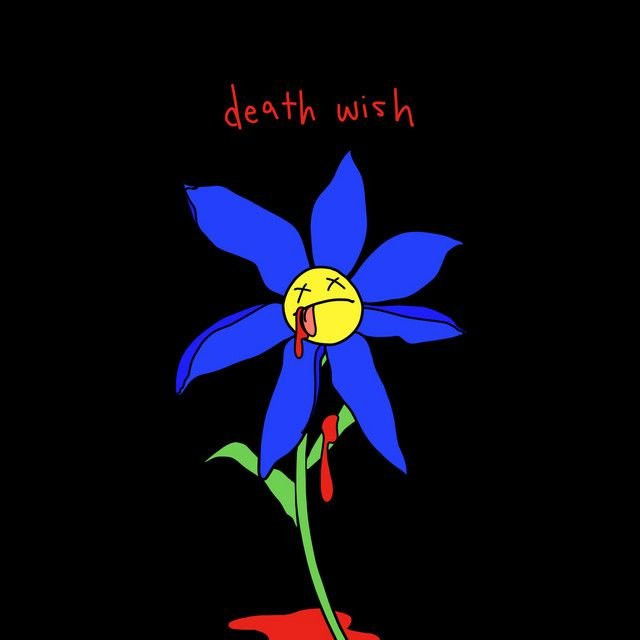
Why 'death wish' by LØLØ Feels So Self-Destructive
The meaning of death wish LØLØ comes down to one sharp idea: the narrator thinks they are bad for the people they love, so they turn romance into a warning label. The song is witty and catchy, but under that gloss is a pretty sad belief: love will end in damage because they always ruin it.
"death wish" - LØLØ
And I told myself that I'm going to hell and I'm going alone
But you came into my dimension
Loading lyrics...
Unable to load lyrics
We're unable to display the lyrics at this time. Please try again later.
LØLØ, the stage name of Canadian singer-songwriter Lauren Mandel, has built a career on emotionally blunt alt-pop and pop-rock songs that often mix humor with hurt. Public biographical summaries describe her style as sitting between pop, pop-rock, and alternative pop, with a voice shaped by artists like Avril Lavigne and Green Day. That mix matters here, because "death wish" sounds playful even while its message is harsh.
A Love Song Written Like a Warning Sign
At the center of the song is a speaker who does not trust themself in relationships. Before love can grow, they predict its collapse. That is why the track opens with everyday proof of failure, not grand tragedy. The line about not keeping a plant alive makes their self-image feel mundane and believable.
From there, the song quickly expands that insecurity into romance. The narrator suggests that anyone who gets close is taking a risk. When they call themself a source of damage, they are not bragging; they are confessing. Even the dark joke of death kiss
sounds less like power and more like guilt.
Interpretation: the song is about self-sabotage more than cruelty. The narrator expects to destroy the relationship, so they frame intimacy as something doomed before it fully starts.

Watch the official death wish
music video
The Speaker Turns Fear Into Dark Comedy
One reason the song lands is its tone. The writing is full of dramatic images, but they are delivered with a wink. The mention of a future parent calling them psycho
is not there to prove literal instability. It shows how far the narrator’s anxiety runs ahead of reality.
That style fits LØLØ’s wider persona. In interviews and artist bios, they have often been framed as someone who writes emotionally direct songs with a sarcastic edge, and one published summary quotes her describing her music as "psychotically sentimental." That phrase fits "death wish" almost perfectly: the feelings are sincere, but the language is cartoonishly extreme.
How the Verses Build the Song's Main Fear
The verses stack small examples of things dying, disappearing, or falling apart. A plant cannot survive. Fish become a graveyard of fish
. Hearts are not protected; they are something the narrator knows how to break.
This pattern matters because the song keeps linking care with failure. The narrator does not say love might go wrong. They say it always does. That certainty gives the song its sting.
Three key steps in the narrative
- They introduce themself as someone who cannot sustain life or closeness.
- A new person enters their world, creating a brief sense of possibility.
- Instead of hope, the narrator immediately predicts a tragic ending.
That progression explains why the song feels both romantic and defensive. Attraction is real, but trust never arrives.
Why the Chorus Hits So Hard
The chorus condenses the whole story into two unforgettable images: I kill everything
and you got a death wish
. In plain terms, the narrator believes loving them is an act of reckless optimism.
What makes the hook effective is its reversal. Many love songs say, "you should choose me." This one says, essentially, "you should know better." That flips romance into a confession of danger.
Interpretation: the title phrase does not really accuse the other person of wanting pain. It reflects the narrator's own shame. If someone stays, the narrator assumes that person is ignoring obvious warning signs.
The Symbols Are Small, but They Cut Deep
The imagery in "death wish" is simple on purpose. Plants, fish, hearts, morning: these are familiar things. Because the symbols are ordinary, the emotion feels close to everyday life rather than theatrical fantasy.
A few motifs stand out:
- Dead living things: plants and fish suggest failed care.
- Toxic affection: phrases like
poison kiss
turn romance into contamination. - Time limits: the idea that love will be dead by morning makes the bond feel temporary from the start.
- Family judgment: the dad line imagines outside confirmation that the narrator is trouble.
Together, these images show a person who sees themself as unsafe to love.
Sound and Style: Bright Music, Bleak Message
The production style most associated with LØLØ blends punchy pop structure with pop-rock guitars and energetic drums, and that balance shapes how this song is heard. Even without needing dense sonic analysis, listeners can hear a contrast: the melody is sticky and upbeat, while the words are full of dread.
That contrast is essential. If the song were slow and mournful, it would feel like a breakup ballad. Instead, the lively delivery makes it sound like someone joking at the exact moment they are spiraling. That emotional split is a hallmark of modern alt-pop writing and a big reason the track is memorable.
A Bigger Reading of the Meaning
There are at least two strong ways to read the meaning of death wish LØLØ.
First, it can be heard as a song about low self-worth. The narrator cannot imagine being loved without causing harm, so they turn shame into a catchy slogan.
Second, it can be heard as a song about fear of commitment. By predicting disaster early, they stay in control. If they announce the ending in advance, they do not have to be surprised by it.
Both readings fit the same emotional truth: the narrator would rather warn someone away than risk being known and then abandoned.
Final Take: Romance as a Self-Fulfilling Curse
"death wish" works because it turns insecurity into a pop hook without hiding the pain underneath. It is funny, dramatic, and very readable, but its core is sad. The narrator wants connection, yet they believe their love comes pre-broken.
That is why the song sticks. It captures the moment when attraction is real, but self-trust is gone.
Disclaimer: This interpretation is based on the released lyrics, song context, and publicly available artist information. Like most pop songs, it can support more than one reasonable reading.









