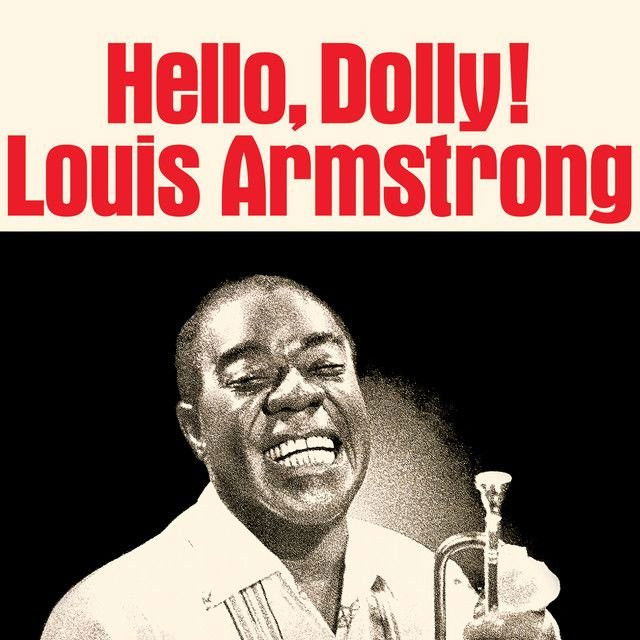
Why 'Hello, Dolly!' Feels Bigger Than a Greeting
The meaning of Hello Dolly Louis Armstrong starts with something simple: a warm welcome. But the song does more than greet someone at the door. It turns a return into a public event, a room into a stage, and one person’s arrival into a shared burst of joy.
"Hello Dolly" - Louis Armstrong
Well, hello, Dolly
It's so nice to have you back where you belong
Loading lyrics...
Unable to load lyrics
We're unable to display the lyrics at this time. Please try again later.
Written by Jerry Herman for the Broadway musical Hello, Dolly!, the song was later recorded by Louis Armstrong in 1964. That version became a major hit, even reaching No. 1 in the United States, a rare late-career pop triumph for Armstrong. Factually, the song belongs to the world of musical theater and jazz-pop crossover. In meaning, though, it speaks to comeback, charisma, and the feeling that some people can light up a whole space just by appearing.
A Return That Feels Like a Celebration
On the surface, the narrator is welcoming Dolly back. They do not describe conflict or heartbreak. Instead, they praise her presence and treat her return as something everyone should notice.
Short phrases like back where you belong
and lookin' swell
show that Dolly is not just missed. She is admired. The song suggests that her proper place is among people, music, and applause.
Interpretation: This makes the song less about romance than about social energy. Dolly seems to represent a kind of life force. When she returns, the room feels complete again.
Watch the official Hello Dolly
music video
Who Dolly Becomes in the Song
Factually, Dolly is the musical’s central character, Dolly Levi. But Armstrong’s recording broadens her image. In his hands, she sounds less like only one character and more like a symbol of timeless charm.
The repeated praise of her being still goin' strong
presents Dolly as resilient. She has not faded. She still commands attention, and the singer sounds delighted to confirm it.
That matters to the meaning of Hello Dolly Louis Armstrong because Armstrong himself was a beloved veteran artist at the time. His voice carries lived experience. So when he celebrates endurance, listeners can hear more than plot. They can hear respect for staying power.
How the Lyrics Build the Scene
The lyrics are direct, but they are carefully staged. They move from greeting, to admiration, to the effect Dolly has on the crowd.
Three key moments stand out
- The entrance. The song begins with a cheerful hello that instantly creates intimacy.
- The praise. The singer notices Dolly’s glow and energy, framing her as unchanged by time.
- The room response. The scene grows bigger as the band plays and the whole space seems to move with excitement.
One of the clearest images is the room swayin'
. That line suggests that Dolly’s return affects everybody, not just the speaker. It is a communal reaction.
It's so nice
to have you back
where you belong
Those short lines capture the song’s emotional center: relief, delight, and a sense of restored order.
Nostalgia Sits Under the Smile
Even with all its bounce, the song is not only about the present moment. It also looks backward. The mention of an old favorite song from earlier days gives the scene a touch of nostalgia.
This is important because Dolly is tied to memory as well as excitement. She brings back a feeling people already loved. In that sense, her return reconnects the room to its own past.
Interpretation: The song may be saying that some figures never truly disappear. They come back and make everyone remember who they were when they first loved them.
Why Armstrong’s Voice Matters So Much
Louis Armstrong’s version works because the performance sounds lived-in, playful, and huge at the same time. His rough, smiling vocal style keeps the greeting from feeling formal. Instead, it feels personal and public at once.
The arrangement also matters. Brass, swing rhythm, and a bright tempo give the track a parade-like motion. The band does not simply support the lyrics. It acts out the welcome. When the song talks about music filling the room, the record lets listeners hear that happening.
That jazz setting changes the song’s emotional texture. In a pure stage context, it can sound like character introduction. In Armstrong’s hands, it becomes a victory lap. The performance tells listeners that Dolly is not just back. She is back in style.
A Song About Show Business, Too
Another useful reading is that the song celebrates the return of a star performer. Phrases like never go away again
sound exaggerated in a fun, theatrical way. They fit the language of applause, encores, and curtain calls.
That makes the song partly about entertainment itself. Audiences love comeback stories. They love to believe that a favorite personality can outlast time, trends, and absence.
For American listeners, that helps explain why Armstrong’s hit version landed so strongly. It joined Broadway sparkle with classic jazz authority. The result was both nostalgic and fresh.
The Lasting Meaning of Hello, Dolly!
So what is the meaning of Hello Dolly Louis Armstrong? Most clearly, it is a song of joyful return. It celebrates a person whose presence revives a room and reminds everyone of better, brighter feelings.
Interpretation: On a deeper level, it is also about endurance. Dolly stands for charm that survives time, memory that stays alive, and performance that keeps its magic.
That is why the song still feels bigger than a greeting. It welcomes not just a person, but a whole mood: warmth, swing, memory, and the thrill of seeing a legend arrive right on cue.
Disclaimer: This interpretation separates verified facts from informed reading. Songs can support more than one meaning, and listeners may hear different emotional layers in the same performance.









