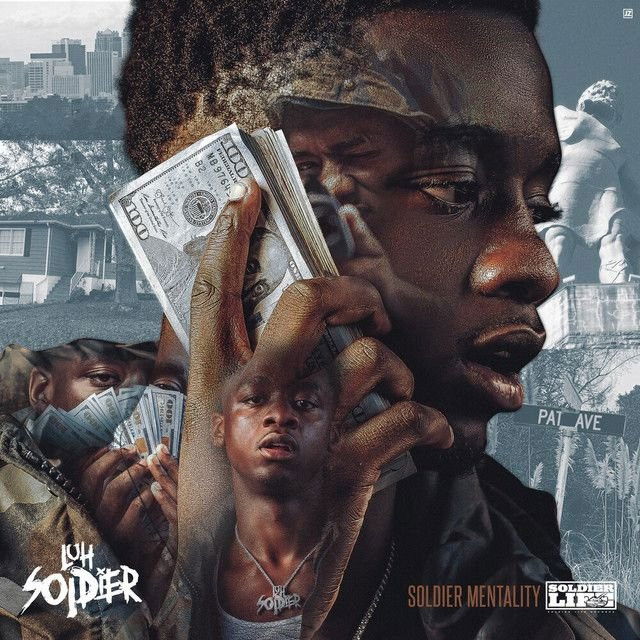
What Happened by Luh Soldier
The meaning of What Happened Luh Soldier comes down to one sharp complaint: too many people talk tough, flash money, and chase status without living the life they rap about. The song turns that complaint into a blunt street record full of threats, flexes, and scenes from the club, the neighborhood, and the artist’s headspace.
"What Happened" - Luh Soldier
bitch i got det good dope
She just wanna fuck got her calling me dad
Loading lyrics...
Unable to load lyrics
We're unable to display the lyrics at this time. Please try again later.
Rather than tell one clean story, they stack images together. The result feels like a warning, a self-portrait, and a challenge all at once.
The Hook Asks the Real Question
The song’s center is the repeated line about what happened to being keeping it skreet
. In plain terms, they are asking why honesty and street credibility seem harder to find. Right after that, the hook attacks people who are capping and rapping bout money
, which frames the whole track as a callout.
That is the key to understanding the meaning of What Happened Luh Soldier. The verses are not random bragging. They are presented as proof that they can back up what others only perform.
What happened to keeping it gangstaWhat happed to keeping it skreet
This short refrain matters because it gives the song a theme larger than simple intimidation. It suggests disappointment as much as anger.
Watch the official What Happened
music video
A Voice Built on Pressure and Reputation
From the opening bars, they arrive with force, saying I'm bringing det pressure
. That phrase sums up the speaker’s persona: someone who wants control, respect, and immediate recognition.
Much of the song is built from status markers. They mention designer glasses, club presence, drugs, alcohol, women, and weapons. These details are common in trap music, but here they work like social evidence. They are showing the world they move through and the codes that matter there.
Interpretation: the track is not just saying, “They are dangerous.” It is also saying, “They are real, and that realness separates them from pretenders.”
Verse by Verse, the Song Builds a Street Credibility Test
The first verse mixes sexual boasting with violent imagery and intoxication. On the surface, it sounds chaotic. Underneath, it establishes a world where appetite, risk, and dominance are tied together.
Then the chorus shifts the lens. Suddenly, all that flexing is aimed at fake rappers and clout-seekers. When they say rivals cannot even buy da beat
, they reduce those people to frauds who cannot fund the image they sell.
The later verse adds regional pride. They mention Alabama and how outsiders may stereotype it. That line matters because it turns the song into something local as well as personal. They are not only defending themselves; they are defending where they come from.
By the final section, the threats become even more direct. The idea is simple: if someone tests them, consequences follow. That escalation helps the hook feel earned, because the song keeps returning to one standard—authenticity must be backed by action.
The Most Important Themes in the Lyrics
Authenticity vs. Performance
This is the biggest theme by far. The chorus keeps accusing others of exaggerating or lying. In that sense, the song acts like a truth test.
Clout and Envy
When they describe people begging for clout
, they show disgust for attention-seeking behavior. Respect, in this world, should come from reputation, not internet noise or empty claims.
Pleasure and Numbness
The verses also include drinking, pills, and sex. These details can sound like standard flexes, but they also suggest emotional deadening. Pleasure is constant, yet so is tension.
Prayer Beside Violence
One of the more revealing moments is when they say they are praying for enemies. That contrast makes the voice more complex. They can sound ruthless and reflective at the same time.
How the Sound Likely Carries the Meaning
Even without confirmed production credits in the provided details, the lyrics strongly suggest a hard-edged Southern trap setup: heavy low end, a tense loop, and space for an aggressive vocal attack. That kind of production would fit the song’s repeated hook and blunt threats.
The repetition is especially important. A hook like this works almost like a chant, making the central accusation impossible to ignore. The likely beat design would leave room for their delivery to punch through, which helps sell the idea that they are not debating authenticity—they are enforcing it.
Their slang and rhythm also matter. The regional phrasing makes the record feel lived-in, not polished for outsiders. That roughness supports the message.
Artist Context and Writing Credits
Based on the information provided, the song was written by Erik Brown and Jamal Swain. No verified guest features, album details, release date, or producer credits were included in the provided context, so those details should be treated as unconfirmed here.
That limited factual frame is still useful. It reminds listeners that the song’s power does not depend on a complicated backstory. Its effect comes from voice, repetition, and conviction.
So, What Is “What Happened” Really Saying?
At its core, the meaning of What Happened Luh Soldier is a complaint about a culture where image has started to replace substance. They respond by presenting themselves as someone who still values action, loyalty, and local credibility, even if that code is expressed through harsh and violent language.
Interpretation: there may also be insecurity under the bravado. Songs that repeat questions like this often do so because the speaker feels surrounded by falsehood and wants reassurance that realness still exists.
That is why the song lands harder than a basic flex track. It is not only about power. It is about disappointment in what the street, the scene, or the rap world has become.
Disclaimer: This article offers an interpretation of the song based on the provided lyrics and available credits. Meanings in music can vary from listener to listener.








