Why 'The Other Guy' Hurts: Luke Combs’ Two‑Self Tale
They meet by chance, trade small talk, and smile like nothing’s wrong. But the meaning of The Other Guy Luke Combs is that things aren’t fine at all. The song turns a familiar tough-guy phrase into a confession about heartbreak hiding in plain sight.
"The Other Guy" - Luke Combs
Hanging on this side of town
What's it been, about a year
Loading lyrics...
Unable to load lyrics
We're unable to display the lyrics at this time. Please try again later.
What the Message Really Says About Appearances
Luke Combs flips the old bar-fight boast into emotional truth. Instead of bragging about a win, he admits there’s an inner self still bruised. When he says you should see the other guy
, he’s not pointing to someone else—he’s pointing inward.
Interpretation: The hook reframes masculinity. It suggests that the hardest fight isn’t with another person; it’s with the image people expect to see. The verses sell the image of success, but the chorus reveals the cost.
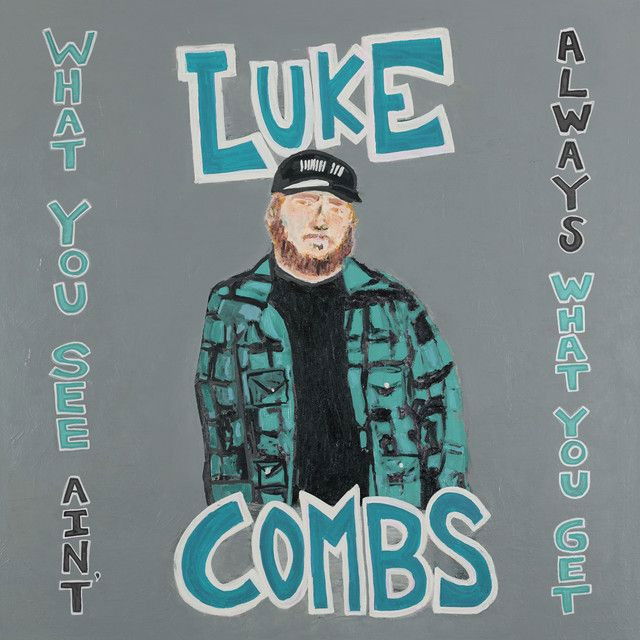
According to Songfacts, Combs had the idea specifically to “turn that phrase on its head,” wrote it in 2017 with Rob Williford and Brandon Kinney, and released it in 2020 on the deluxe project What You See Ain’t Always What You Get. That timeline underscores how the theme of appearances fit neatly with that album’s title.

Watch the official The Other Guy
music video
A Polite Mask Slips: Who’s Speaking and to Whom
The narrator runs into an ex after some time apart. He offers a calm, public face—he says it’s all good
—and keeps the chat light. In the verse, he shows off the side of himself that looks stable and successful, the version that’s the one that’s got it made
.
Interpretation: He’s performing wellness for her and for onlookers. The short phrases and matter-of-fact delivery echo the way people talk when they’re holding it together for show.
The Story in Three Clean Beats
- The chance meeting: She mentions how long it’s been and how he seems to be doing well.
- The front: He nods along and projects confidence, saying life is “fine.”
- The reveal: The chorus admits the truth—when it’s
late at night
, the inner self “misses her” andcan’t move on
.
These steps line up with how grief works. Publicly they look steady; privately the pain keeps circling back.
The Chorus Twist That Makes It Sting
But you should see the other guy that’s missing you Late at night, he’s wishin’ you would come back home
Those lines take the swagger out of the phrase and replace it with vulnerability. Interpretation: The “other guy” is the secret self, the one who breaks after the conversation ends. It’s a clean, memorable pivot that explains the whole song.
Sound Choices That Carry the Feeling
Musically, this is classic modern country from Combs: midtempo, steady drums, and wide, warm guitars. The verses ride a relaxed pocket to mirror the mask of control. Then the chorus swells—bigger vocal, brighter guitars—to underline the confession bursting through.
The melody favors open vowels and a singable arc, letting Combs lean into his gravelly belt without overselling the drama. Subtle dynamic lifts—like a cymbal swell or a higher harmony—signal that the truth can’t stay hidden. Everything about the arrangement supports the lyric’s two-selves framing: calm on the surface, pressure building underneath.
Why This Resonates Now
Combs often writes about everyday toughness and quiet pain, and this track fits that lane. It shows how looking “all right” can be a survival skill and a burden. The fact that it appears on What You See Ain’t Always What You Get makes the theme explicit: seeing isn’t believing.
According to Songfacts, Combs told Apple Music he’d long wanted to flip this phrase. That intent matters because it explains the clean, no-frills writing. The verses give just enough detail to set the stage; the chorus lands the idea in one memorable turn.
Alternate Angles Worth Considering
- Interpretation: A comment on small-town rumor. The narrator knows people are watching, so he curates the version of himself they expect. The “other guy” is the part he keeps out of the gossip mill.
- Interpretation: A study of grief’s timeline. The year gap doesn’t fix anything; it only teaches him how to hide it better.
Both readings fit the song’s restraint. There’s no revenge, no pleading—just the ache of pretending.
Takeaway
The meaning of The Other Guy Luke Combs isn’t a puzzle; it’s a mirror. Most listeners know what it’s like to show one face and feel another. Combs captures that split with a single flipped phrase and a chorus that finally tells the truth.
Disclaimer: This analysis reflects interpretive reading of the song’s lyrics, context, and sound; individual listeners may hear it differently.








