Why 'Etheriel' by Lush Still Stings
The meaning of Etheriel Lush comes down to a quiet kind of heartbreak. It is not a dramatic revenge song. Instead, it sounds like someone looking back at a relationship that failed because one person stopped showing up when they were needed most.
"Etheriel" - Lush
That in the end they sympathized with me
And though it hurts to say
Loading lyrics...
Unable to load lyrics
We're unable to display the lyrics at this time. Please try again later.
That is what gives the song its ache. The speaker is hurt, but they are not cold. They still care. Even while explaining the breakup, they admit they are still fond of you
. That mix of blame and tenderness is what makes "Etheriel" feel more human than simple.
A breakup song with no easy villain
On the surface, the song tells a clear story. The speaker sees that others now agree with their side of events. That brings a little validation, but not relief. They suggest the ending was unavoidable, saying it couldn't happen any other way
.
That line matters because it frames the whole song. This was not one bad night. It was a pattern. The relationship had already been weakened by distance, silence, and emotional absence.
Interpretation: The song may be about the moment when private pain becomes public truth. Once other people understand what happened, the speaker feels justified, but that does not erase the loss.
Watch the official Etheriel
music video
The memory of freedom before the damage
One of the song's strongest ideas is contrast. The speaker remembers when the other person was free
, and when their connection felt open and alive. There is warmth in that memory, especially when they think about all the laughs
they once shared.
But even in the memory, trouble is already there. The speaker seems to sense from the start that it would not last. That gives the song a fatalistic feeling, as if they recognized the relationship's weakness before it fully collapsed.
This is why the lyrics feel so mature. They are not pretending the past was perfect. They remember the joy, but they also remember the warning signs.
When affection survives disappointment
The emotional center of "Etheriel" is not anger. It is disappointment wrapped in care. The speaker says the split may feel unfair to the other person too, but they also remind them that neglect created this outcome.
That balance is crucial to the meaning of Etheriel Lush. They are not saying, “I never cared.” They are saying, “I cared, but you made me feel like you did not.” In other words, the relationship did not die from a lack of feeling. It died from a lack of presence.
The key accusation appears near the end, when the narrator says, you were never there
. That simple phrase explains almost everything before it. The wound is emotional abandonment.
The chorus turns pain into a ghostly image
The song's most striking section condenses the whole story into a few soft, sad images:
Sing to me, comfort me
turned away
Someone else takes my place
Paraphrased, the speaker longs for comfort, gets rejected, and then realizes they have been replaced. It is a small scene, but it carries huge emotional weight.
Interpretation: This may describe literal romantic replacement, but it can also suggest emotional displacement. The other person no longer offers care, attention, or intimacy to the narrator. Someone else now receives what the speaker once hoped for.
How Lush's sound deepens the song
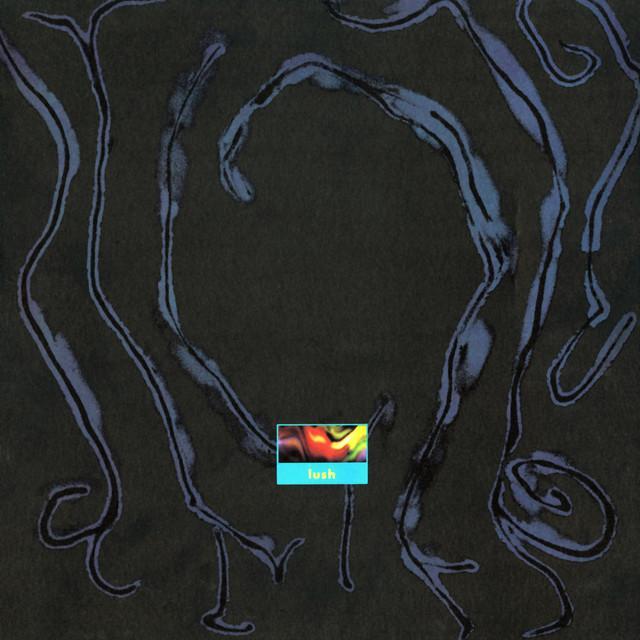
"Etheriel" appears on Scar, Lush's 1989 mini-album, released by 4AD on October 9, 1989. According to available album documentation, Scar was recorded at Blackwing Studios in London and produced by John Fryer with the band. It is commonly classified as shoegaze and noise pop, and it helped establish Lush's early sound. The release reached No. 3 on the UK Independent Albums Chart and sold more than 15,000 copies in its first four months (Wikipedia: Scar).
That context helps explain why the song works so well. "Etheriel" pairs intimate pain with a floating, blurred arrangement. Reports on the Scar sessions note layered vocals and Emma Anderson's clean guitar tone, which gives the track a shimmering surface rather than a blunt one (Wikipedia: Scar).
The result is powerful: the music drifts, but the words cut. The low-mixed vocals sound half-hidden, almost as if the speaker is processing pain from inside a dream. That soft delivery keeps the song from sounding accusatory, even when the lyrics clearly describe neglect.
Artist context matters here
Lush were part of the late-1980s UK alternative scene, and early critics often connected them to the emerging shoegaze movement. Reviews praised Scar for its beauty and tension. In NME, Simon Williams called the record a work of art
, while Select singled out "Etheriel" as one of the tracks that lingers in the mind (Wikipedia: Scar).
The song was written by Emma Anderson and Miki Berenyi, which fits its emotional duality. It feels both direct and elusive, personal and hazy. That combination became one of Lush's signatures.
The clearest takeaway
In the end, the meaning of Etheriel Lush is about the pain of caring for someone who was absent when it mattered most. The song holds two truths at once: love can remain, and trust can still collapse.
That is why it lasts. "Etheriel" understands that some endings are not explosive. They are slow, sad recognitions that a person they loved simply did not show up.
Disclaimer: This interpretation is based on the released lyrics, recording context, and documented background on Lush. As with many songs, listeners may reasonably hear other meanings in it.








