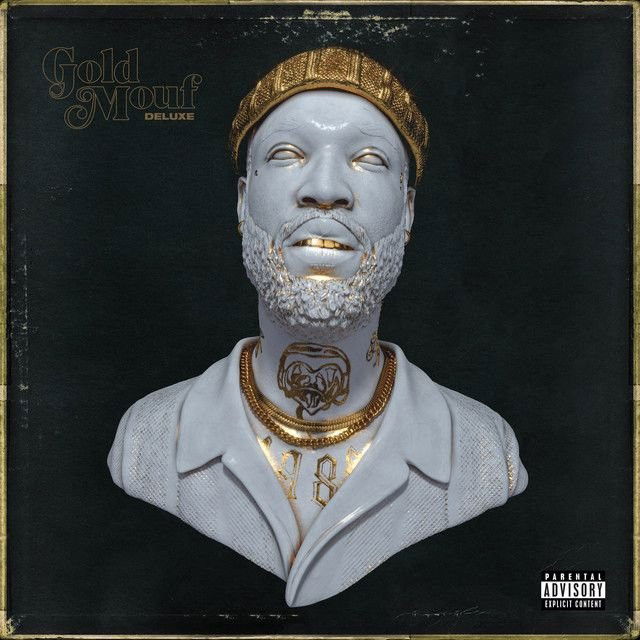
Luther's Freestyle by Lute
The meaning of Luther's Freestyle Lute comes through as a fight between self-doubt and self-trust, told with calm detail instead of loud drama.
"Luther's Freestyle" - Lute
Provided by LyricFindAyy, man, turn that up
If the feelings ain't mutual then mission abort
She like when I put it in sportLoading...Loading lyrics...
Unable to load lyrics
We're unable to display the lyrics at this time. Please try again later.
Why This Song Feels So Personal
The meaning of Luther's Freestyle Lute centers on pressure from two sides. On one side, there are doubters, distant critics, and people who talk big without doing much. On the other, there is Lute's own mind, where confidence and uncertainty keep trading places.
That tension gives the song its power. They do not present themself as fearless all the way through. Instead, they move between pride, isolation, second-guessing, and resolve. The result is a rap song that sounds less like a public announcement and more like a private reset.
Watch the official Luther's Freestyle
music video
The Core Message: Confidence With Friction
At its heart, the song says they know their worth, even when progress feels slow. When Lute warns listeners not to overlook them with don't sleep on the boy
, the line works as both a challenge and a pep talk.
That matters because the verse keeps undercutting easy bravado. They admit they may be playing too safe
and even ask whether they truly have something important to say. In plain terms, the song is not about unstoppable confidence. It is about choosing belief anyway.
Interpretation: This is why the track feels mature. Instead of pretending success erased insecurity, Lute shows that ambition often grows right next to doubt.
A Verse Built on Memory and Reputation
From the Honda to the present
One of the smartest parts of the writing is how Lute ties current confidence to older memories. They mention being the same person back when they were pushin' a Honda Accord
. That image shrinks the distance between the past and present.
The point is clear: value did not begin when recognition arrived. They believe they were solid before status, before attention, and before anyone started keeping score.
Haters, distance, and social noise
The song also pushes back against shallow competition. Lute notices people talking from afar, judging without real action, and acting like every move is part of a scoreboard. That makes the verse feel weary, not shocked.
They sound like someone who has seen enough of this behavior to stop being surprised by it. The complaint is less about one enemy and more about a culture of posturing.
The Most Revealing Turn Happens Midway
The strongest moment comes when the song turns inward. After the shots at fake energy, Lute starts talking to themself. The line who better than you?
sounds bold, but it is surrounded by hesitation.
That contrast is the whole song in miniature. They can feel confidence in their spirit, but some days they still question whether they are getting in their own way. They wonder if they are misunderstood, if silence has cost them, and if they are making the most of what they have.
Some days I be feeling a lot
but I gotta act like I'm good
This is the only moment where the song says the emotional problem plainly. They are carrying a lot, but they still feel pressure to look steady. That is a familiar tension in rap, especially in songs about masculinity, ambition, and emotional survival.
Why the Hook Hits So Hard
The hook keeps returning to one idea: pressure creates action. When Lute repeats that others leave them no choice, the refrain makes persistence sound less glamorous and more necessary.
That is important. They are not saying they grind because it is fun or because they always feel inspired. They are saying circumstances, expectations, and inner drive force movement. The hook becomes a survival phrase.
Interpretation: Repetition here mirrors self-talk. The more the phrase comes back, the more it feels like they are trying to lock into belief before doubt returns.
Family, Grief, and Motivation
Near the end of the verse, Lute brings in their father. It is brief, but it changes the emotional weight of the whole track. After all the indecision, they say thinking about my pops
helps them get up and keep going.
That detail suggests memory as discipline. Their father is not used as a sentimental ornament. He becomes a source of duty and motion. In a song full of mental loops, that memory cuts through the noise and gives them direction.
How the Sound Supports the Meaning
The production fits the writing because it feels relaxed, soulful, and roomy. The beat does not rush them. Instead, it gives space for a freestyle-like flow where thoughts can wander, double back, and sharpen.
That matters to the meaning of Luther's Freestyle Lute. A harder, more aggressive beat might have pushed the song toward simple defiance. This instrumental keeps it reflective. It lets confidence and vulnerability sit in the same room.
The title also hints at looseness. Even if the writing is deliberate, the performance feels conversational, like they are thinking in real time. That makes the doubts sound believable and the confidence sound earned.
A Few Key Themes in One Place
The song's main ideas can be summed up like this:
- self-worth that existed before fame
- frustration with performative people
- anxiety about wasted potential
- emotional restraint on bad days
- family memory as motivation
Together, those themes explain why the track lingers. It is not just a flex record, and it is not just a diary entry either. It lives in the middle.
Final Take on the Song's Meaning
The meaning of Luther's Freestyle Lute is about learning to trust their own value while living with real uncertainty. They know they have talent, but they also know talent does not silence fear.
That balance is what makes the song feel honest. It turns inner conflict into momentum, ending not with total peace, but with a reason to keep moving.
Disclaimer: This interpretation is based on the lyrics provided and publicly available song credits. Meaning can vary by listener, and only the artist can confirm full intent.









He proceeds to tell the audience that everyone doubting him has now left him no choice, but to go all in, as the only other alternatives are to stay stuck in his head and dealing with the anxiety and shame that comes with inaction. In all reality I have no idea about any of this, it's just my theory and analysis, let me know what you think!