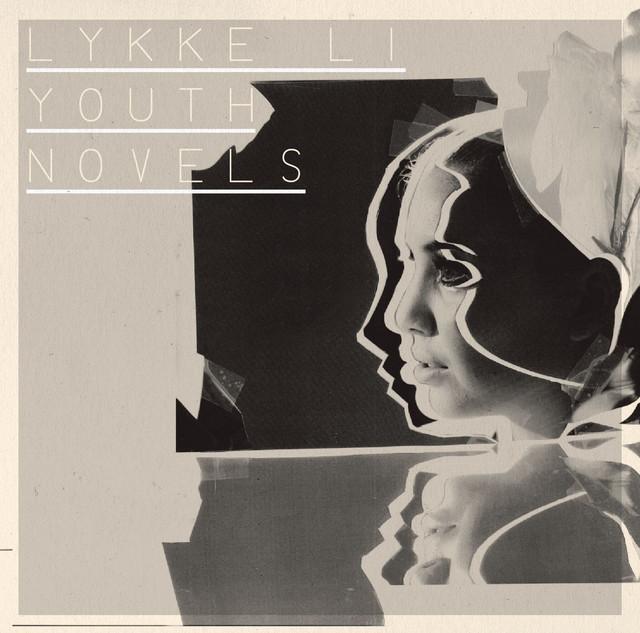
Little Bit by Lykke Li
The meaning of Little Bit Lykke Li comes down to a simple but sharp emotional conflict: they want love, but they do not want to be the one left more exposed. The song turns that fear into a catchy pop idea. It sounds light on the surface, yet underneath it is about pride, caution, desire, and the need for equal risk.
"Little Bit" - Lykke Li
Ooh, ooh, ooh
Ooh, ooh, ooh
Loading lyrics...
Unable to load lyrics
We're unable to display the lyrics at this time. Please try again later.
Lykke Li released “Little Bit” during the Youth Novels era, the debut album that introduced their mix of indie pop, vulnerability, and off-center production. The song is credited to Lykke Li Zachrisson and Björn Yttling, a key creative partner in that early sound.
A Love Song Built on Hesitation
At the center of the song is someone who admits attraction but tries to control how much they reveal. Early on, they confess being too proud for love
. That line matters because it frames the whole track: the speaker is not cold, but defensive.
They are already thinking about the other person, even if they do not want to fully say it. The emotional movement of the verse is clear. First comes denial, then desire, then uncertainty about how a real relationship would even begin.
Interpretation: This is less a straightforward love song than a song about negotiating the terms of vulnerability. They are not asking, “Do I feel something?” They clearly do. They are asking whether it is safe to admit it.

Watch the official Little Bit
music video
Why the Chorus Feels So Memorable
The chorus gives the song its emotional thesis. The repeated phrase little bit in love
sounds cute and casual, but it is really a shield. By making love seem smaller, the speaker tries to make it less risky.
That is why the condition matters so much: only if you're a little bit
. They want balance. They do not want to care more than the other person does.
This is what makes the meaning of Little Bit Lykke Li so relatable. Many pop songs celebrate overwhelming love. This one captures the earlier, more awkward phase, where feelings are real but still being measured. It is romance filtered through self-protection.
Desire and Defensiveness in the Verses
The verses deepen that tension. The song includes blunt physical imagery and references to a tainted heart
, suggesting past damage or distrust. The speaker is open to intimacy, but not emotionally carefree.
That mix is important. They can imagine closeness and even devotion, yet they still refuse to be the first to speak plainly. In other words, desire is present, but pride is still in charge.
One of the song’s smartest moves is showing how longing can make people contradictory. They hold back, then imagine doing anything for this person. They say less than they feel, but their fantasy of commitment keeps expanding.
Come here, stay with me
stroke me by the hair
Even in this tender moment, the request sounds intimate and needy rather than fully secure. The speaker wants comfort, presence, and reassurance, not just romance in the abstract.
The Sound Makes the Conflict Dance
Part of why the song works so well is that its production does not drown in sadness. Instead, it moves with a playful, almost toy-box bounce. The beat feels light, the vocal phrasing is airy, and the repeated “oohs” create a dreamy loop around the lyrics.
That contrast matters. If the production were heavy, the song might feel like pure heartbreak. Instead, it captures the flutter of a crush alongside the fear of commitment. The music keeps things buoyant while the words reveal emotional caution.
Björn Yttling’s influence is important here. As one-third of Peter Bjorn and John, he was known for crisp, melodic indie-pop arrangements, and that sensibility shaped the song’s mix of sweetness and nervous energy. The result is a track that feels emotionally unsettled but sonically inviting.
Artist Context Helps Explain the Tone
Lykke Li’s early work often balanced innocence with unease. On Youth Novels, they built songs that sounded youthful and bright while exploring loneliness, desire, and instability. “Little Bit” fits that pattern perfectly.
Rather than presenting love as mature certainty, the song presents it as a half-step forward. That makes sense in the context of a debut-era artist interested in fragility and performance. The narrator is both sincere and guarded, as if they are trying out honesty without fully trusting it.
Two Strong Ways to Read It
Reading One: A Song About Mutual Risk
The most direct reading is that this is about wanting emotional equality. The speaker will admit love, but only if the other person is willing to do the same. In this view, the song is about fairness in romance.
Reading Two: A Song About Self-Protection
A second reading is more internal. The “little bit” language may be less about the other person and more about the speaker trying to shrink their own feelings. Interpretation: they may already be deeply invested, but saying it in smaller terms helps them feel safer.
Both readings can be true at once. That is part of the song’s charm.
Why “Little Bit” Still Connects
“Little Bit” lasts because it captures a common emotional reality: people often want love and fear it at the same time. The song does not resolve that contradiction. It turns it into a hook.
For listeners searching for the meaning of Little Bit Lykke Li, the answer is not just that they are falling in love. It is that they are trying to fall carefully, with pride still intact. That tension gives the song its sweetness, its anxiety, and its staying power.
Disclaimer: This interpretation is based on the lyrics, recording context, and common critical readings. As with any song, meaning can vary from listener to listener.








