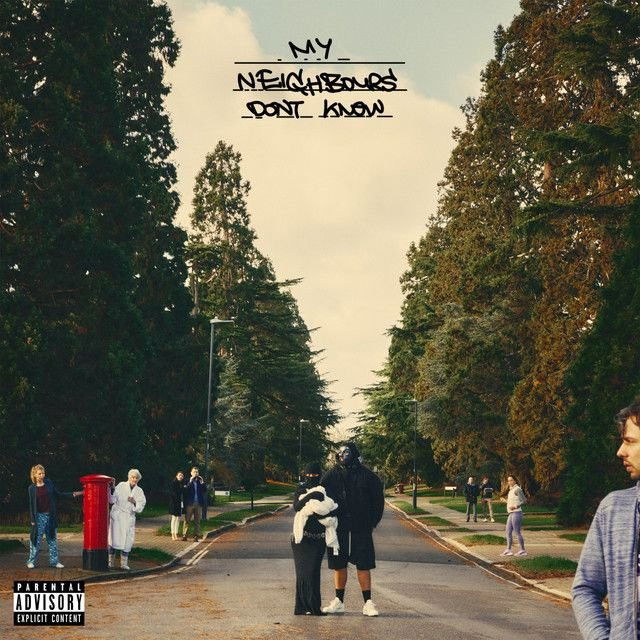
where you been? by M Huncho
They ask, and he answers. M Huncho’s track is a comeback message wrapped in confession. It sounds like a victory lap, but it’s also a reckoning with choices, costs, and how far a person can really travel from their past.
"where you been?" - M Huncho
Yeah, woo, yeah
And they wonder where I've been
Loading lyrics...
Unable to load lyrics
We're unable to display the lyrics at this time. Please try again later.
The meaning of where you been? M Huncho, in plain terms
The core meaning is twofold. First, he explains a quiet grind—why he hasn’t been visible. Second, he frames that silence as discipline, not absence. He acknowledges missteps while showing results, turning doubt into proof.
Interpretation: The song positions growth as survival. Huncho’s not simply flexing; he’s arguing that staying focused, keeping risks controlled, and investing in family are the real answers to the question in the title.
Who’s talking, and who’s listening?
The narrator speaks in first person, addressing fans, rivals, and anyone who thinks he’s faded. He sets house rules for the industry with lines like no refunds or exchanges
, suggesting this life offers no do-overs. He’s not pleading for acceptance; he’s defining terms.
At the same time, he speaks to family by admitting guilt and distance, and to law enforcement in the margins. The voice is steady, measured, and unafraid to mix confession with bravado.
From block to booth: the plot beats
- He’s questioned about his silence and answers by pointing to self-correction and focus.
- He underscores real-world stakes: charges, plainclothes surveillance, and the cost of bragging without background.
- He reframes his grind as creative enterprise:
turn the bando to a studio
—risk is flipped into art and income. - He details new wealth and old habits clashing, then brings it home with care for his mother and a desire for guidance.
The hook as confession, not just a flex
And they wonder where I’ve been
Tryna rectify my sins
His refrain is a confession before it’s a boast. The mood sits between apology and assurance: they doubted him, but he was busy making sure he could live with his own choices. Interpretation: The hook reframes success as penance—money, cars, and status are results, but the goal is inner balance.
Symbols with sharp edges
baker, I just make dough
: The baker image flips a risky grind into a craft metaphor. Money isn’t luck; it’s the product of skill, heat, and timing.snub nose in the Lamborghini
: Luxury beside a weapon compresses past and present into one image. Interpretation: success didn’t erase danger; it sits in the same seat.let them see the face
: A challenge to rivals and a claim of transparency. He’s done hiding—recognition is part of the power now.house on my wrist
: A watch as real estate speaks to scale. It’s not just jewelry; it’s proof of conversion from illicit hustle to legitimate assets.turn the bando to a studio
: The clearest thesis. The same pressure and pace now fuel legal output and cultural capital.
How the sound carries the past
The opening producer tag hints at Quincy at the boards, which fits the track’s moody trap palette: dark pads, crisp drums, and space for Huncho’s melodic delivery. The beat stays cool and unhurried, letting details land. That measured tempo mirrors his stance—no rush to prove anything, because proof is already in motion.
Huncho’s tone is smooth but edged. He rides the pocket with patience, almost conversational, which makes the harsher images feel more credible. Interpretation: the restraint is the point; he’s done moving loud.
Alternate angles that still hold
- Authenticity test: He positions himself against “weird” rappers who cosplay danger. The specifics—prices, procedures, and pacing—are receipts.
- Survivor’s guilt: Family lines complicate the flex. He gives back, yet his mother wants more time, and he still carries habits that won’t let go.
- Public vs. private self: Boasts of visibility and fearlessness sit beside careful evasions of law. The mask comes off rhetorically, but caution remains.
Why the chorus keeps echoing
The refrain doesn’t just answer the title’s question—it shifts it. Instead of “Where were you?” the song asks, “What were you building?” Interpretation: Growth happens off-camera. When he returns, it’s to show outcomes, not process.
Takeaway you can feel
The track is a manifesto for moving in silence. It treats wealth as evidence, not decoration, and family as the only scoreboard that matters. If listeners come for bravado, they’ll find it—but they’ll also hear a blueprint for turning heat into harvest.
Disclaimer: This interpretation reflects one reading of the lyrics and production choices; individual listeners may find other meanings based on their experiences.









