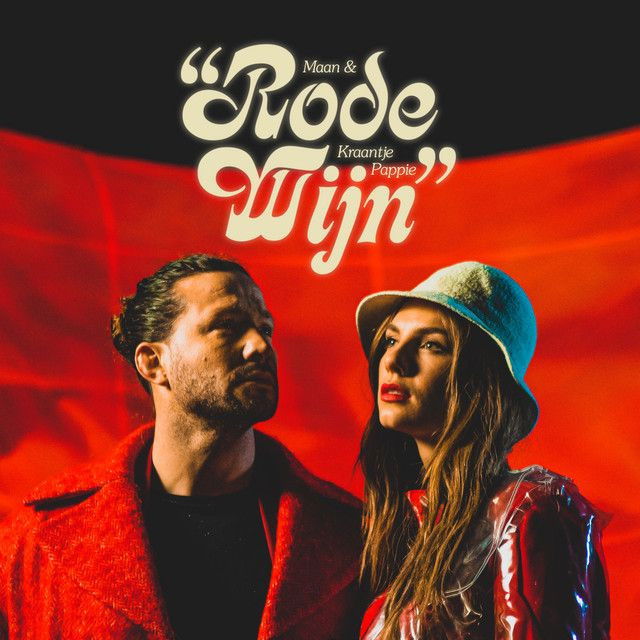
Why 'Rode Wijn' Turns Heartbreak Into Patience
For listeners searching for the meaning of Rode Wijn Maan, Kraantje Pappie, the song lands in a very human place: the moment after love starts to crack, but before the heart fully accepts it. It is a duet about hurt, memory, and the wish that time can do what neither person can do alone.
"Rode Wijn" - Maan, Kraantje Pappie
Ik snap niet wat je zegt
Hart op slot en ik voel me slecht
Loading lyrics...
Unable to load lyrics
We're unable to display the lyrics at this time. Please try again later.
Maan released the song with Kraantje Pappie as part of her album Leven, and the pairing matters. Maan brings emotional openness, while Kraantje Pappie adds grounded detail and lived-in regret. Together, they make the song feel less like a simple breakup track and more like a conversation with the past.
The Core Meaning Hiding in Plain Sight
At its center, “Rode Wijn” is about a relationship that still feels alive even when both people know something is wrong. Early lines present tears, confusion, and emotional shutdown. When the singer mentions hart op slot
, the idea is not just sadness. It is self-protection. One or both people have closed themselves off because staying open hurts too much.
Still, the song does not act cold or final. It keeps reaching back toward love. That is why the chorus matters so much. The central claim is simple: pain changes with time. The image of goeie rode wijn
gives the song its main symbol. Good wine improves slowly, and the chorus suggests healing may work the same way.
Interpretation: They are not saying heartbreak is romantic or easy. They are saying waiting can be necessary, even when it feels unfair.

Watch the official Rode Wijn
music video
A Love Story Told Through Mixed Signals
What makes the song believable is how messy the emotions are. The verses do not speak like two people who are fully done. They speak like people who know the relationship is damaged but still want to save its feeling, if not its exact shape.
A key emotional turn comes in the idea that they both should not be here, yet one person still wants the bond to stay. That contradiction drives the whole song. They know the situation may be unhealthy, but they cannot stop loving each other on command.
The pre-chorus deepens that uncertainty with a line of doubt. The narrator admits they do not fully know, but this may have to happen. That hesitation is crucial. The song never sounds completely sure of itself, which is exactly why it feels true.
What Kraantje Pappie’s Verse Adds
Kraantje Pappie’s section broadens the emotional world of the song. Instead of only describing pain, he describes a future that may never happen. He mentions dreams of family, a proposal near Paris, and a home now filled with uncertainty. These details show that the loss is not just about a romance ending. It is also about imagined years disappearing.
One of the smartest parts of the song is how these details stay specific without becoming dramatic for drama’s sake. The memory of Berlin, the terrace, and red wine paints a relationship with real texture. When he says it feels like glad ijs
, the image suggests fragility. One wrong step and everything breaks.
That verse also changes the song’s scale. Maan’s lines are intimate and immediate. Kraantje Pappie brings biography, geography, and long-term dreams. The result is a fuller picture of grief.
Why the Chorus Hits So Hard
The chorus works because it balances comfort and sorrow. It promises that pain will not last forever, but it does not deny the pain. That matters. A weaker song would rush toward closure. “Rode Wijn” lets the wound stay visible.
dit doet niet voor altijd pijn
het wordt beter met de tijd
Those lines form the emotional thesis. The song is not saying love disappears. It is saying suffering can soften. The next image, where day turns to night and waits for someone to shine again, frames healing as a cycle. Darkness is not the end. It is a phase.
Interpretation: The chorus may also hint that the other person is still a source of light, even after separation. That makes the hope feel both beautiful and dangerous.
Sound, Delivery, and Emotional Design
Production helps carry this meaning. The track sits in the space between pop ballad and modern Dutch crossover. It is smooth, melodic, and emotionally direct rather than stripped-down. That polished sound suits the lyrics because the song is trying to calm panic, not intensify it.
Maan’s vocal delivery is especially important. As heard across her work and public profile through Top 40, she often sings with a clear, intimate tone, and here that softness makes the promises in the chorus sound believable. Kraantje Pappie’s entrance adds contrast: more spoken, more detailed, more restless. Their voices create two forms of grief—one aching and one reflective.
The repetition of the hook also matters. Each return feels like reassurance they need to keep telling themselves. In other words, the chorus is not only comfort for the listener. It is self-comfort inside the song.
Final Reading: Memory, Regret, and a Small Light
The meaning of Rode Wijn Maan, Kraantje Pappie comes down to this: love can survive in memory even when a relationship cannot survive in life. The song honors that painful middle ground. It admits regret, remembers tenderness, and still believes time can transform raw hurt into something gentler.
That is why the title image works so well. Red wine suggests age, richness, and patience. The song turns those qualities into a lesson about heartbreak.
Disclaimer: This interpretation is based on the lyrics, performance, and available public context. As with any song, listeners may hear different meanings in the same lines.







