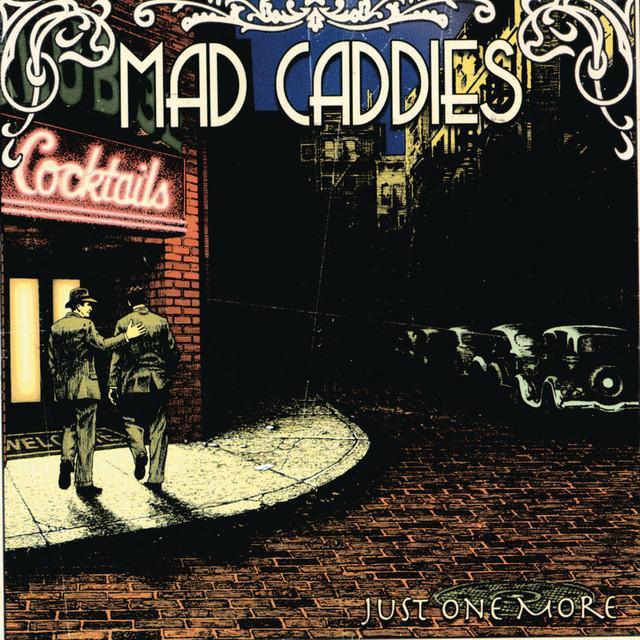
Silence by Mad Caddies: Fear You Cannot See
The meaning of Silence Mad Caddies comes through in one central idea: the song is about danger that does not arrive loudly. It creeps in, hides, and takes hold before a person can name it. Even though the title sounds calm, the lyrics turn silence into something threatening.
"Silence" - Mad Caddies
Shadows below the radar hide from unsuspecting light
You can't see it coming but you feel it near
Loading lyrics...
Unable to load lyrics
We're unable to display the lyrics at this time. Please try again later.
That makes the song feel less like a story about one event and more like a portrait of dread. They present fear as invisible, intimate, and hard to fight. In that way, “Silence” works as a song about anxiety, nightmares, or any inner battle that grows in the dark.
Where the Fear Begins
Right away, the lyrics paint a stealth attack. The opening image of something moving in secret suggests a threat that stays just outside normal sight. When the song describes it as creeping through the night
, it is not just setting a scene. It is showing how fear often appears: slowly, quietly, and at the edge of awareness.
The next images build that same feeling. Shadows, hidden movement, and a force below notice all point to danger that avoids direct confrontation. The speaker cannot fully see what is coming, but they know it is close. That is why the lyric you feel it near
matters so much. The body senses what the mind cannot explain.
Interpretation: This is one reason the song reads strongly as a metaphor for anxiety or panic. Many people describe those feelings as a sense of doom before they can identify a cause.

Watch the official Silence
music video
The Real Enemy May Be Internal
One of the sharpest moments comes when the song says to find the enemy
and then places that enemy in bed. That detail shifts the meaning. Instead of a clear outside attacker, the threat now seems tied to the self, the mind, or the private space where rest should happen.
This is why the song’s imagery feels psychological. Bed is where people try to sleep, recover, and feel safe. If the enemy is there, then safety is gone. The lyrics begin to sound like insomnia, recurring panic, or depressive thoughts that appear most strongly at night.
Find the enemy
lying in your bed
That short moment captures the song’s best twist. The battle is not somewhere far away. It is personal, close, and possibly inside the speaker’s own head.
A Battle Song Without a Clear Battlefield
The middle of the song turns fear into open conflict. It says the fight has started and warns that the battle is not over. That language matters because it gives shape to something otherwise hard to describe. Fear becomes war.
Still, the song never names a literal opponent. That vagueness is important. It keeps the meaning broad enough to cover several struggles:
- anxiety or panic attacks
- depression or intrusive thoughts
- trauma resurfacing at night
- wider social dread about disaster or collapse
The lyric dark clouds looming
helps widen the scope. It sounds bigger than one person’s room. It suggests collective unease, as if the speaker feels pressure spreading across a whole landscape.
Images of Hell, Signals, and Failed Control
Later verses add messages, signals, and nightmare images. The speaker picks up warnings but does not fully understand them. That confusion strengthens the song’s emotional core. Fear is already difficult; fear that cannot be translated is worse.
The mention of pictures from hell pushes the imagery toward extreme mental distress. Yet the song also includes a small act of resistance. The speaker tries to set the pain aside, to package it away, and move on. But they already know that effort will likely fail.
That last admission is brutal because it is honest. The song does not promise victory. Instead, it captures the moment when someone knows they should manage their fear, but also knows fear is stronger than their current defenses.
How the Writing Carries the Meaning
Even without leaning on long quotations, the song’s craft is clear. The lyrics favor short, direct images over complicated description. Night, shadows, clouds, signals, bed, hell: each image is simple on its own, but together they create pressure.
The structure also mirrors panic. The song moves from creeping danger to recognition, then to battle, then to overwhelmed surrender. That rising motion gives the listener the sense of escalation. The fear does not stay still; it advances.
From a genre standpoint, the writing fits an alternative style by focusing on mood and psychological tension rather than neat storytelling. The credited writers listed in the provided context—Nowell Rhys Fulber, Sarah Ann McLachlan, and Wilhelm Anton Leeb—also suggest a song built around atmosphere and emotional unease rather than literal plot.
The Strongest Reading of the Song
The best answer to the meaning of Silence Mad Caddies is that the song turns silence into a symbol of hidden suffering. It is about what approaches without announcement, what settles into private spaces, and what makes a person feel defeated before the fight is done.
Interpretation: The most convincing reading is mental and emotional struggle, especially nighttime anxiety. A second valid reading is broader social dread, since the imagery expands from bed to land and sky. The song works because it supports both at once.
In the end, “Silence” is powerful because they treat fear as something both invisible and physical. It cannot be fully seen, but it can be felt everywhere.
Disclaimer: This interpretation is based on the lyrics provided and common themes listeners may hear in the song. As with any song, meaning can vary from listener to listener.








