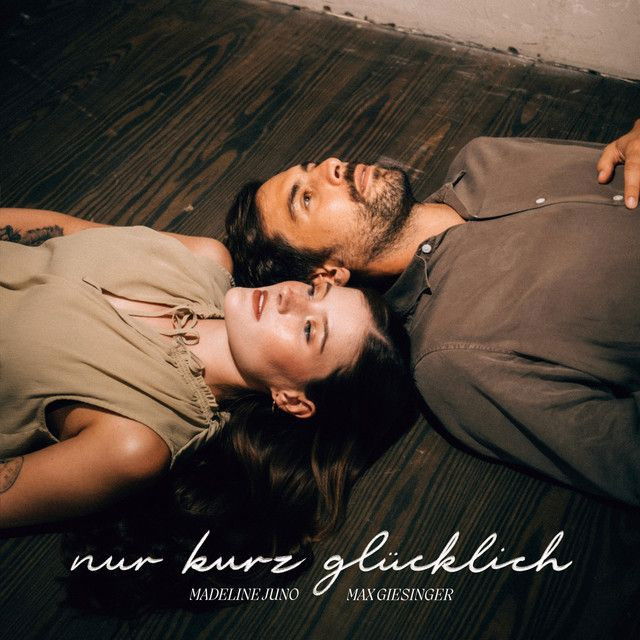
Why "Nur kurz glücklich" Hurts So Much
The meaning of Nur kurz glücklich Madeline Juno, Max Giesinger comes down to a painful question: what if a person cannot enjoy peace because they are always waiting for it to break?
"Nur kurz glücklich" - Madeline Juno, Max Giesinger
Ich glaub' nicht, dass meine Mom das macht
Immer wenn es mir gut geht
Loading lyrics...
Unable to load lyrics
We're unable to display the lyrics at this time. Please try again later.
In this duet, they describe a mind that treats happiness like a warning sign instead of a gift. Even when life feels good, the speaker suspects they missed something. That idea makes the song hit hard, because it is not about dramatic heartbreak alone. It is about the quieter damage caused by fear.
A Pop Song About Distrusting Good Things
At its core, the song is about anticipatory anxiety. The speaker does not say that disaster has already arrived. Instead, they show the habit of preparing for it early, almost automatically.
The opening lines make that pattern clear. They wonder why they react this way and whether they learned it over time. When things go well, they immediately think they have was übersehen
—in other words, missed a hidden problem. That small phrase sets up the whole emotional logic of the song.
Interpretation: The real struggle is not sadness itself. It is the inability to trust happiness when it finally appears.

Watch the official Nur kurz glücklich
music video
The Night Setting Makes the Fear Feel Bigger
One of the song’s strongest images comes in the late-night verse. The city is asleep, but the speaker is still awake, running with worry. The phrase mit meiner Angst Slalom renn'
turns anxiety into motion. They are not sitting still with a thought; they are dodging it, circling it, exhausting themselves.
That image matters because it shows anxiety as physical and repetitive. It is not one clean fear with one clear cause. It is a pattern of avoidance and anticipation.
Who Are They Singing To?
Even though the verses begin in a very personal voice, the chorus shifts toward du
, or “you.” That move opens the song up. It lets the listener step into the same mental loop.
Interpretation: By moving from “I” to “you,” they turn private confession into shared experience. The song stops being one person’s diary and becomes a mirror.
The Chorus Names the Trap
The chorus is the emotional center of the song. It says the person prepares for catastrophe, searches for a catch, and digs through every Wenn
and Aber
—every “if” and “but.” The mind keeps building escape routes so it can later say the pain was predictable.
That is what makes the title phrase so sharp. To be nur kurz glücklich
is not just to lose happiness quickly. It is to believe from the start that happiness cannot last.
Suchst nach dem Haken, dem doppelten Boden
Aber was, wenn's den gar nicht gibt
This is the song’s most important turn. It asks whether the threat is real at all. Maybe there is no hidden catch. Maybe the person is tearing apart a good moment because uncertainty feels safer than hope.
A Conversation Between Panic and Self-Awareness
Another reason the song works is that it does not pretend the speaker is unaware. They know the pattern is happening. They ask if they can repair it, erase the panic, and welcome beginnings instead of focusing only on endings.
That self-awareness adds depth. Many songs about anxiety stay at the level of feeling overwhelmed. This one also shows the frustration of watching oneself repeat the same behavior.
Interpretation: The song is not only about fear. It is also about the sadness of knowing better but still not feeling free.
How the Sound Supports the Lyrics
Without needing huge production tricks, the song’s likely strength is emotional restraint. Madeline Juno and Max Giesinger are both known in German pop for direct writing and clear vocal delivery, and the credited writers are Alex Knolle, Madeline Juno, Max Giesinger, and Steven Bashir.
That matters because the lyric is built on thought spirals, not spectacle. A polished pop arrangement fits the theme: steady rhythm, clean melody, and controlled vocals can make the inner panic feel even more exposed. Instead of sounding chaotic, the song sounds contained, which mirrors how many anxious people appear on the outside.
Their duet also adds meaning. One voice alone could sound trapped in isolation. Two voices suggest recognition. The fear is personal, but not lonely.
Why the Song Connects Beyond German Pop
For U.S. listeners, the meaning of Nur kurz glücklich Madeline Juno, Max Giesinger still translates easily because the core emotion is universal. Many people know the feeling of waiting for the good news to reverse itself or treating peace as the Ruhe vor dem Sturm
.
The song avoids overcomplicating that idea. It uses everyday language, simple images, and one central contradiction: the search for safety can ruin the very happiness it wants to protect.
That is why the track feels so relatable. It names a modern emotional habit—doom-scanning one’s own life for cracks—without judging the person caught in it.
The Lasting Meaning of "Nur kurz glücklich"
In the end, this song is less about whether happiness is short and more about why it feels impossible to trust. Their message is compassionate: some people do not ruin joy because they are ungrateful. They ruin it because they are scared.
That is what gives the song its sting and its comfort. It understands the reflex to brace for impact, while gently asking a better question: what if the hidden danger never comes?
Disclaimer: This interpretation is based on the lyrics provided and publicly known songwriting credits. As with any song, listeners may hear meanings that differ from this reading.







