
Why "Elvira" by Maes Feels So Threatening
The meaning of Elvira Maes is not just about crime, power, or image. It is about living inside a mindset where danger never switches off. The song mixes flexing with fear, pride with pressure, and local identity with deep mistrust.
"Elvira" - Maes
Ma daronne mange toujours pas de homard
Au poignet, j'ai toujours pas ma Audemars
Loading lyrics...
Unable to load lyrics
We're unable to display the lyrics at this time. Please try again later.
Maes builds that tension from the first lines. They mention money, luxury dreams, and movement in the streets, but they also keep returning to what is still missing. That contrast matters. The song is not selling a clean success story. It shows a person who has gained status without gaining peace.
A Street Fantasy Turned Inside Out
One of the key lines frames outsiders as des Elvira
who want to jouer les Tony
. In plain terms, Maes appears to mock people who love the movie version of gangster life. The reference likely points to Scarface, where Elvira and Tony represent glamour, drugs, power, and collapse.
Interpretation: in this song, “Elvira” is not really about one woman. It works more like a symbol for people attracted to the look of danger without understanding the cost. That is why the insult lands so hard. Maes draws a line between performance and reality.
They sharpen that point by attacking fake toughness. The verses repeatedly say others invent stories, pose in videos, and crack under pressure. The target is not only enemies. It is also anyone who treats the street world like costume drama.
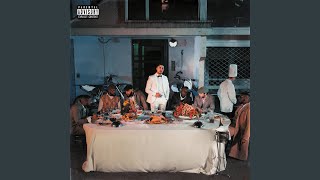
Watch the official Elvira
music video
The Hook Turns Boasting Into Paranoia
The chorus is the emotional center of the song. When Maes repeats ils veulent ma peau
, the phrase carries more than one feeling at once. It means others want to harm them, but it also suggests they feel watched from every side.
That is why the hook changes the meaning of the verses. A lot of rap songs list weapons, rivals, and money as signs of control. Here, those same details sound defensive. Even when the narrator is armed, connected, and feared, they still sound cornered.
A short lyric moment that sums it up
Ils veulent ma peau
Sur moi j'ai mon calibre
These lines do not simply brag about being dangerous. They show how threat and self-protection have fused together. The weapon is not framed like a trophy. It is framed like a response to constant pressure.
Wealth, Lack, and a Refusal to Pretend
Another important part of the meaning of Elvira Maes is the way money gets described. Maes mentions drugs, profit, watches, and cars, but the song does not present wealth as complete arrival. Early lines note what the family still does not have and what the narrator still has not bought.
That detail gives the song its edge. Material goals exist, but so do older wounds. Family deprivation sits next to present-day hustling. In effect, Maes says the grind did not begin from greed alone. It grew out of lack, humiliation, and the need to escape a harsh environment.
Interpretation: this is why the boasts often sound defensive rather than joyful. The point is not just “look what I own.” It is “look what I survived, and look what I still carry.”
Sevran, Reputation, and Local Truth
Place matters throughout the track. Maes ties the song to Sevran and to a neighborhood code where reputation is constantly tested. That local grounding keeps the song from feeling abstract.
The line about being from a generation pris pour cible
is especially revealing. It suggests they see themself as someone shaped by attack from the start. That can mean literal violence, police attention, rivalries, or a broader feeling of being marked by circumstance.
The song also draws a firm line between insiders and outsiders. Real people showed themselves during scarcity; fake people appeared later. That theme of loyalty under pressure runs through a lot of French street rap, and Maes leans into it here with very little sentimentality.
The Sound: Cold, Focused, Unforgiving
Even without full production credits confirmed here, the record clearly uses a dark trap palette: heavy low end, sparse melodic detail, and a beat that leaves room for Maes’ voice to hit hard. That minimalism matters.
A brighter beat could have made the same lyrics feel flashy. Instead, the music sounds narrow and tense, almost like tunnel vision. Maes delivers many lines in a clipped, forceful rhythm, which makes threats feel immediate and personal.
There is also very little softness in the performance. Even when the song touches on desire, comfort, or dream life, the vocal tone stays guarded. That helps explain why the track feels more severe than celebratory.
What "Elvira" Says About Masculinity
The song is also about proving toughness in a world where weakness has consequences. Lines about not changing, not pleasing others, and not needing outside approval all build that image.
But there is a cost. One of the most human moments comes when Maes says they have fewer friends and more lines on their face. Paraphrased, the message is simple: survival has aged them. That confession cuts through the intimidation and gives the song emotional weight.
Interpretation: beneath the aggression, the track may be describing exhaustion. The hard exterior is real, but it also sounds like armor.
Final Take on the Meaning of Elvira Maes
So, what is the meaning of Elvira Maes? At its core, the song rejects fake gangster fantasy and replaces it with something colder: the real psychological cost of street power. It says image attracts people, but reality strips them down.
Maes uses threats, flexes, and film references to make a bigger point. In this world, status does not bring calm. It brings targets, suspicion, and isolation.
Disclaimer: This interpretation is based on the lyrics, performance, and cultural references in the song. As with any art, listeners may hear different meanings.








