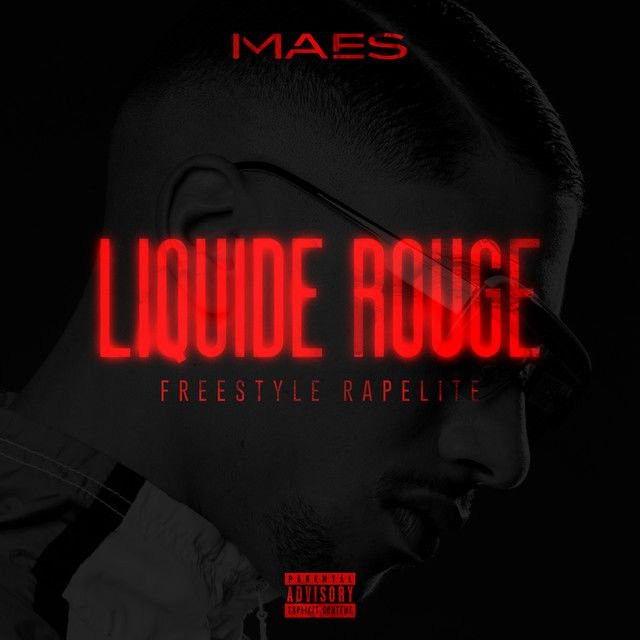
Why Maes Makes "Liquide rouge" So Disturbing
The meaning of Liquide rouge Maes is not hard to feel, even before every line is unpacked. The song sounds like a mind cornered by rage. It moves through revenge fantasies, street codes, class frustration, and the kind of trauma that turns success into something hollow.
"Liquide rouge" - Maes
J'suis dans un coin sombre d'ma cité
Ça suffit pas qu'j'te cartonne, j'ai nettoyé l'Magnum
Loading lyrics...
Unable to load lyrics
We're unable to display the lyrics at this time. Please try again later.
Maes, born Walid Georgey, is a French rapper from Sevran whose career rose from mixtapes to major commercial success, with projects like Pure and Les derniers salopards earning major certifications in France, while “Liquide rouge” later charted as a non-album single according to public chart summaries (Wikipedia). That context matters because this song keeps one foot in rap success and the other in a world that still feels violent and unstable.
A Revenge Song, But Also a Psychological One
At the most direct level, the track is about vengeance. The hook circles back again and again to vengeance noire
and liquide rouge
, pairing darkness with blood. The idea is simple but heavy: the narrator imagines payback so intensely that it becomes their main emotional language.
But the song is bigger than threats. Interpretation: it also sounds like a portrait of someone who no longer trusts peace. Early on, Maes frames forgiveness as impossible and places the speaker in a dark corner of the neighborhood. That setting matters. It suggests isolation, not power. Even when the voice sounds fearless, the atmosphere says the opposite: they feel hunted, damaged, and spiritually drained.

Watch the official Liquide rouge
music video
From Crime Pages to Gold Records
One of the smartest details in the song is the contrast between old public shame and new public success. Maes says they once appeared in local crime coverage and now appear in a major paper because of a gold record. Paraphrased, the line turns media visibility into a before-and-after story.
Yet the transformation is incomplete. Fame did not clean the past. Instead, it sits next to it. A gold record may prove career progress, but the song keeps returning to weapons, enemies, and nightmares. That creates one of the core tensions in the meaning of Liquide rouge Maes: success changes status, but not always the inner weather.
The Chorus Traps the Listener on Purpose
The chorus is repetitive in a useful way. It returns to the same revenge image and the same nighttime movement, including tard le soir
. Rather than pushing the story forward, it locks the song in place.
Interpretation: that repetition mirrors obsession. The speaker does not process pain and move on. They relive it. The blood image in the title is less a plot point than a mental flash that keeps replaying. In that sense, the hook is the song's emotional prison.
J'rêve de vengeance noire
fuite de liquide rouge
These two short lines summarize the track's whole emotional system: revenge is imagined first, and blood becomes its visible result.
Street Realism, Boasting, and Fear
Maes mixes menace with vulnerability. There are blunt claims about shooting first, about not waiting for police, and about enemies who want their downfall. He also describes bad dreams and ambush-like pressure. Those details matter because they keep the song from reading like pure swagger.
A lot of gangsta rap works by balancing dominance and threat. Here, the dominance is loud, but fear is always nearby. When Maes says mon âme m'a quitté
, the song briefly stops sounding like a victory speech and starts sounding like emotional dissociation. That phrase suggests a person who has gone past anger into numbness.
Symbols That Carry the Song
Several motifs repeat across the track:
- Night: a time of action, secrecy, and intrusive thoughts.
- Weapons: symbols of control, but also proof that danger feels close.
- Blood/red liquid: the physical consequence of revenge.
- Press and papers: public identity, from criminalization to success.
- Travel and luxury details: signs of money that cannot erase inner pressure.
Even small images do heavy work. Fashion and location details suggest status, while the darker lines suggest that status remains fragile. Interpretation: Maes presents material progress almost as a mask stretched over old violence.
How the Sound Likely Supports the Meaning
While song meaning starts with lyrics, Maes's delivery is just as important. Their style often relies on a firm, cold tone rather than a highly emotional outburst. That kind of vocal control can make violent lines feel more chilling, because they sound normalized rather than dramatic.
In production terms, a track like this usually works best with minimal melody, heavy low end, and enough empty space for each line to hit. Even without overexplaining the beat, listeners can hear how the song's structure supports tension: the verses pile up images, then the chorus reduces everything to one recurring nightmare. That contrast gives the song its bite.
Why the Song Feels So Harsh
Part of the song's impact comes from how little distance it gives the listener. There is almost no moral speech, no softening language, and no comforting resolution. The narrator speaks from inside the mindset, not from outside it.
That is why the meaning of Liquide rouge Maes lands as more than simple provocation. Interpretation: it can be heard as a study of what revenge does to a person before anything even happens. The speaker is already trapped—by memory, by status games, by enemies, and by the belief that violence is the only clear answer.
Final Take
“Liquide rouge” is about revenge on the surface, but underneath it is about corrosion. Maes turns blood-red imagery into a symbol of obsession, emotional injury, and a life where success has not ended survival mode.
For listeners in the United States, the details are specifically French, but the emotion is widely recognizable: anger can become identity, and identity can become a cage.
Disclaimer: This interpretation is based on the lyrics, performance, and publicly available artist context. As with most rap songs, some lines may reflect persona, exaggeration, or storytelling rather than literal fact.







