Why 'Shot By Both Sides' Still Feels Trapped
The meaning of Shot By Both Sides Magazine starts with pressure. This is a song about being cornered by rival forces, pushed to choose a side, and distrusting the whole setup. Magazine turn that tension into something sharp and nervous: a speaker who moves through the crowd, sees hypocrisy up close, and still refuses to fully belong.
"Shot By Both Sides" - Magazine
What is legal is just what's real
What I'm given to understand
Loading lyrics...
Unable to load lyrics
We're unable to display the lyrics at this time. Please try again later.
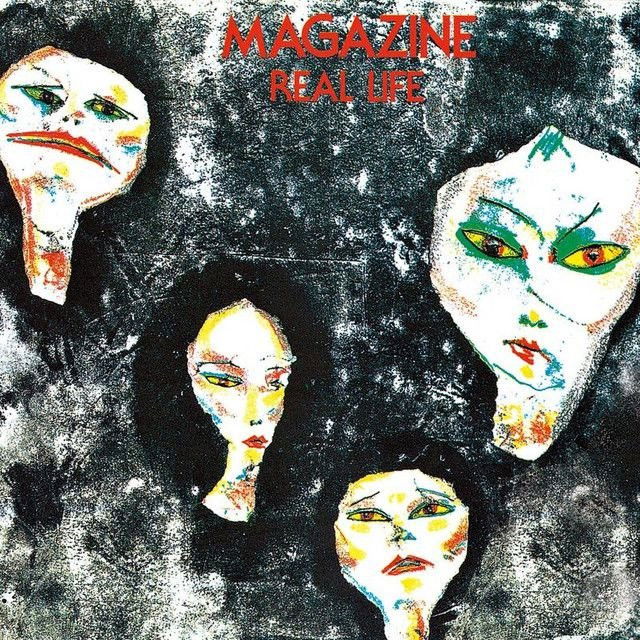
Released in January 1978 as Magazine's debut single and later included on Real Life, the track reached No. 41 on the UK chart. It was written by Howard Devoto and Pete Shelley, with lyrics by Devoto, and it quickly became one of the defining early post-punk singles.
The Core Idea Behind the Conflict
At its heart, the song is about ideological crossfire. The speaker feels attacked from opposing camps, which is summed up by the title phrase Shot by both sides
. They are not just dodging enemies. They are living in a world where every group claims moral authority, yet each one can turn violent or controlling.
That tension appears early when the lyric blurs truth, law, and theft. The speaker suggests that what society calls legitimate may simply be whatever power allows. In other words, the song questions official rules and the people who make them.
Interpretation: This can be heard as political, but it also works as a broader social statement. Anyone caught between institutions, scenes, or identities may hear the same message: neutrality does not protect people, and independence often makes them a target.
Watch the official Shot By Both Sides
music video
Inside the Crowd, But Not Of It
One of the song's smartest moves is its crowd imagery. The speaker says they wormed my way
into the center of things. That sounds sly, even a little guilty. They are not innocent or above the mess. They entered it on purpose.
But once inside, they are disturbed by what was allowed
. That line matters because it flips expectations. The real shock is not being excluded. The real shock is discovering how much corruption, conformity, or cruelty is normal once they get close.
Then comes the key claim: I didn't lose myself
. The song does not present the speaker as pure. It presents them as alert. They moved through the crowd without giving up their identity, and that refusal becomes a kind of victory.
What the Chorus Says So Efficiently
The chorus is blunt, memorable, and paranoid in the best way. It turns the whole song into a survival statement.
On the run
to the outside of everything
Those lines suggest retreat, but not surrender. The speaker is trying to escape systems that demand obedience. They are moving outward, away from the center, away from tribal loyalty, and maybe away from safety too.
The phrase secret understanding
adds another layer. The opposing sides may look different, but the song hints that they are more alike than they admit. Both can feed on control. Both can punish dissent. That idea gives the chorus its sting.
Artist Context Makes the Meaning Clearer
Context helps a lot here. According to Songfacts, Devoto said the title came from a political warning that refusing to choose a master could leave someone attacked by left and right. That origin strongly supports a political reading.
Still, the song avoids sounding like a slogan. Devoto's writing is too suspicious and self-aware for that. Even the line about the edgy kid being questioned by a voice of authority suggests a world where power tries to discipline difference, especially when youth refuses easy lessons.
This matters in Magazine's story too. Devoto had left Buzzcocks and wanted something colder, stranger, and more intellectually tense. "Shot By Both Sides" became a mission statement for that shift: less communal release, more anxiety, distance, and observation.
How the Sound Carries the Meaning
The music is essential to the meaning of Shot By Both Sides Magazine. Pete Shelley's original riff, later shaped by Magazine, is famous for a reason. It climbs upward with urgency, as if the song is always trying to outrun its own danger.
John McGeoch's guitar feels clean but cutting. Barry Adamson's bass gives the track a dark body, while Martin Jackson's drumming keeps everything moving with clipped force. Produced by Mick Glossop and the band, the record sounds tense rather than heavy. That is why it feels claustrophobic: there is space in the arrangement, but no comfort in it.
Devoto's voice also refuses warmth. He sounds detached, irritated, and watchful. That vocal style supports the lyric's distrust. They are not asking listeners to sing along to a cause. They are making them feel the stress of having no safe cause to join.
Why the Song Lasted
Critics quickly recognized the song's power. It was ranked No. 9 in NME's Tracks of the Year for 1978, and Greil Marcus later praised it in striking terms. Its legacy lasts because the setup still feels modern.
Plenty of people today feel trapped between loud, opposing camps that demand total loyalty. This song understands that mood. It speaks to anyone who sees performance, manipulation, and sameness behind public conflict.
Interpretation: The lasting force of the track may be that it never promises resolution. It offers awareness instead. The speaker survives by seeing through the crowd, even while moving inside it.
Final Take on the Song's Meaning
The meaning of Shot By Both Sides Magazine is the fear and clarity that come from being pressured by competing powers. It is about politics, but also about identity, independence, and the danger of collective thinking.
Magazine make that idea hit through both words and sound: suspicious lines, a racing riff, and a voice that never settles. The result is a song about being caught in the middle and refusing to disappear there.
Disclaimer: This interpretation blends documented context with critical reading. As with most great songs, listeners may hear different meanings in the same lines.







