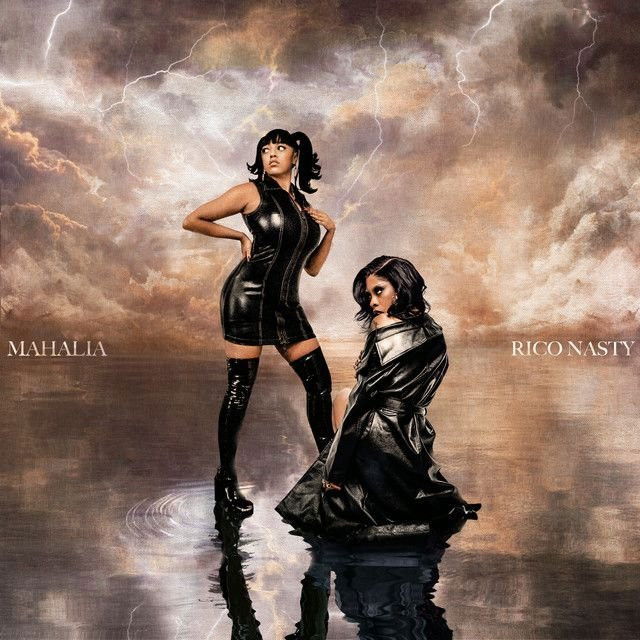
Jealous by Mahalia, Rico Nasty
The meaning of Jealous Mahalia, Rico Nasty comes down to one clear idea: they are calling out envy, fake support, and people who want access to their energy without giving respect in return. It is a sharp, self-assured song about noticing who resents their shine and deciding not to care.
"Jealous" - Mahalia ft. Rico Nasty
Summer's outside, chillin', Westside (skrrt)
You know what I do, yeah
Loading lyrics...
Unable to load lyrics
We're unable to display the lyrics at this time. Please try again later.
Rather than sounding wounded, the track turns tension into power. Mahalia leads with cool control, while Rico Nasty pushes the song into open confrontation. Together, they make jealousy sound less like a private feeling and more like a social problem around success, style, and attention.
The Real Message Hiding Inside the Flex
On the surface, the song is full of status details, fashion, and attitude. But those details are not there just to brag. They work like proof that they know their worth and know why other people feel threatened.
When Mahalia sings about someone being so jealous of me
, the line is simple on purpose. She is naming the emotion directly. The song does not spend much time decoding the other person’s motives, because it does not need to. The jealousy shows up in how that person talks, doubts, and tries to pull them down.
Interpretation: The flexing in the song is not empty. It is defensive armor. Luxury references, confidence, and a strong social circle all help create distance from people who act supportive but secretly compete.

Watch the official Jealous
music video
Who They Are Singing To
The song seems aimed at someone close enough to know them, but not trustworthy enough to stay close. That person may be a romantic interest, an ex, or even a former friend. The lyrics keep that target a little blurry, which makes the message more universal.
A key line is you never made me
. Before and after that phrase, the song pushes back against anyone who thinks they shaped their identity. In plain terms, they are saying: you may know their history, but you do not own their success.
That matters because jealousy often appears in relationships where one person feels entitled. This song rejects that entitlement. They refuse sympathy, refuse guilt, and refuse to be reduced.
How the Story Moves From Cool to Cutting
The track unfolds in stages:
- First, they establish confidence and presence.
- Next, they identify jealousy in another person.
- Then, they raise the stakes with challenge and boundary-setting.
- Finally, Rico Nasty turns hurt into separation and action.
Early lines sound playful and untouchable. Then the tone hardens. By the middle, the song is less about image and more about testing character. A phrase like cannot play me
makes that shift obvious. They are not just stylish; they are alert.
Rico’s verse deepens the narrative. She describes someone talking with people who do not have good intentions and hints at betrayal inside a once-close bond. That gives the song emotional weight. Jealousy here is not random hate from strangers. It is disappointment coming from someone who had real access.
I got 'em jealousit's not my faultdo betterprove me wrong
These short lines sum up the song’s logic. They acknowledge envy, reject blame, and put responsibility back on the other person.
Why the Chorus Hits So Hard
The repeated hook circles around two ideas: people think they know them, and people cannot control them. That repetition matters because jealousy often works by rewriting someone else’s story. The chorus pushes back against that.
When they repeat I've been bad from when I was a baby
, the point is not literal bad behavior. It sounds more like a playful claim that their fire, confidence, and edge have always been there. No jealous person created it, and no critic can take it away.
Interpretation: The chorus turns the song into a statement of identity. They are not only reacting to envy. They are defining themselves against it.
Sound, Style, and Why the Feature Works
Mahalia is known for R&B that blends honesty with polish, while Rico Nasty often brings explosive rap energy and punky force. That contrast is the song’s secret weapon. Mahalia delivers the cool stare; Rico delivers the warning shot.
The production supports that mix. The beat has a sleek bounce, with enough space for attitude to land cleanly. It feels expensive, but not soft. That polished groove matches the lyrics about style and status, while the sharper vocal phrasing keeps tension alive.
Because of that setup, the song never feels one-note. It moves between smooth and aggressive, just like real jealousy can move between passive comments and open betrayal.
A Bigger Theme Beneath the Attitude
The song is also about boundaries. They keep saying, in different ways, that access must be earned. Attention, touch, closeness, and loyalty are not free gifts for someone acting shady.
That is why the crew references matter too. When they mention moving with their people and having paved their own way, it suggests strength in community. Jealousy isolates, but solidarity protects.
For listeners in the United States, that is part of why the track feels empowering. It taps into a familiar modern pressure: being visible, being watched, and knowing some people want the glow without doing the work.
Final Take on the Song’s Meaning
The meaning of Jealous Mahalia, Rico Nasty is not just that others envy them. It is that they see that envy clearly, survive it, and answer it with self-respect. The song treats jealousy as exposure: once it shows itself, the relationship changes.
Mahalia and Rico Nasty turn that realization into a stylish, hard-edged anthem about self-definition. They do not beg to be understood. They simply move on.
Disclaimer: This interpretation is based on the lyrics, performance, and publicly available song credits. Like most songs, listeners may hear different meanings in it.








