Mood by Makar
The meaning of Mood Makar comes down to a push and pull: they are chasing a good feeling while admitting they are drained. On the surface, the song sounds light, hypnotic, and club-ready. Under that surface, it keeps circling the same tension between pleasure, fatigue, and the need for connection.
"Mood" - Makar
Ik ga loes
Kom je naar me toe?
Loading lyrics...
Unable to load lyrics
We're unable to display the lyrics at this time. Please try again later.
Because the lyric is short and repetitive, its meaning depends less on plot and more on mood, tone, and repetition. That makes the track feel less like a story with a beginning and end, and more like a mental loop.
A Good Vibe With a Tired Heart
The clearest idea in the song is contradiction. The speaker says the energy around them is positive, but they also admit fatigue
and being zo moe
, or very tired. That matters because it turns the track into more than a simple party anthem.
They are not fully lost in pleasure. They are aware of their own burnout. In plain terms, the song suggests a person who still wants more feeling, more closeness, and more stimulation even while their body and mind are worn down.
Interpretation: This is why the song feels both seductive and numb. It captures a modern kind of nightlife emotion: wanting to stay in the moment because stopping would mean facing emptiness, stress, or a drop in energy.
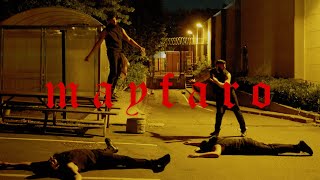
Watch the official Mood
music video
The Hook Shows the Song’s Core Meaning
When the speaker repeats ik zit nu in een mood
, they are not only saying they feel good. They are announcing a state they want to remain inside. The phrase acts almost like self-hypnosis.
That repetition matters. Instead of developing a detailed message, the song keeps returning to the same center. This creates a trance effect. The listener is pulled into the same emotional loop as the singer, where feeling becomes more important than explanation.
In the meaning of Mood Makar, “mood” is not just emotion. It is a temporary zone, almost a shield. Inside it, the speaker can focus on sensation rather than consequences.
Desire Sounds Emotional, Not Just Physical
One of the song’s most revealing lines is breng je ziel naar me toe
. In English, that means bringing someone’s soul closer. Even in a simple track, that wording adds emotional weight.
The speaker is not just asking for company. They want intimacy, essence, and total presence. That gives the song a surprising softness. It hints that the nightlife setting may be covering a deeper hunger for real connection.
Interpretation: This line keeps the song from feeling shallow. Without it, the track could read as pure hedonism. With it, they sound like someone who wants to feel something true inside a blurred, overstimulated world.
The Darker Edge: Escape and Refusal
The lyric asking waar is de drugs?
shifts the tone. It introduces the language of escape very directly. Just after that, the song insists they do not want to go back.
That pairing is important. The track links altered feeling with avoidance. They are searching for something that keeps the moment alive and prevents a return to normal life, normal pain, or normal emptiness.
This does not need to be read only literally. Interpretation: the “drugs” line can also symbolize any tool of escape: noise, nightlife, romance, distraction, or emotional intensity itself. In that reading, the song is about refusing the comedown as much as chasing the high.
How the Minimal Writing Works
Makar’s song uses very few words, but the structure does a lot of heavy lifting. Short lines, repeated hooks, and chant-like phrasing create a stripped-down emotional map.
That map has three main beats:
- They admit exhaustion.
- They declare a powerful mood.
- They seek connection and escape.
Because these ideas repeat instead of evolving, the song feels suspended in time. That mirrors the mental state it describes. They are not solving anything. They are staying inside the feeling.
Sound and Delivery Carry the Message
The production credits were not provided in the available context, but the writing is credited to Makar Barsegjan and Warasdat Ivanov. Musically, the lyric suggests a sparse, rhythmic approach rather than a dense narrative song. The repeated hook and clipped wording fit electronic, hip-hop, or club-pop production styles where beat and vocal cadence do much of the storytelling.
That matters for interpretation. A track like this often relies on:
- a looping beat
- heavy repetition
- breathy or detached vocal delivery
- space in the mix
Those choices would support the song’s meaning. Repetition can feel intoxicating. A cool vocal tone can make exhaustion sound emotionally flat. Minimalism can make every repeated word hit harder.
Artist Context and What Can Be Said for Sure
From the provided information, the song is by Makar and written by Makar Barsegjan and Warasdat Ivanov. No confirmed album, release date, or featured artists were included in the source material provided here, so it is best not to overstate the background.
Still, the track’s language and style place it in a modern European pop-rap lane where vibe is often the message. In that context, the song fits a wider trend: music that turns emotional blur, nightlife drift, and overstimulation into atmosphere.
Final Reading: Why “Mood” Sticks
The meaning of Mood Makar is stronger than the song’s small lyric count might suggest. It presents a person caught between pleasure and depletion, asking for closeness while trying not to come down from a temporary high.
Its smartest move is not explaining too much. By staying repetitive, hazy, and emotionally split, the song lets listeners feel the contradiction instead of just hearing it described.
That is why the hook lingers. It sounds simple, but underneath it sits a familiar feeling: wanting the night, the rush, and the connection to keep going, even when they are already tired.
Disclaimer: This interpretation is based on the lyrics provided and general musical analysis. Song meanings can vary depending on listener experience and any future comments from the artist.







