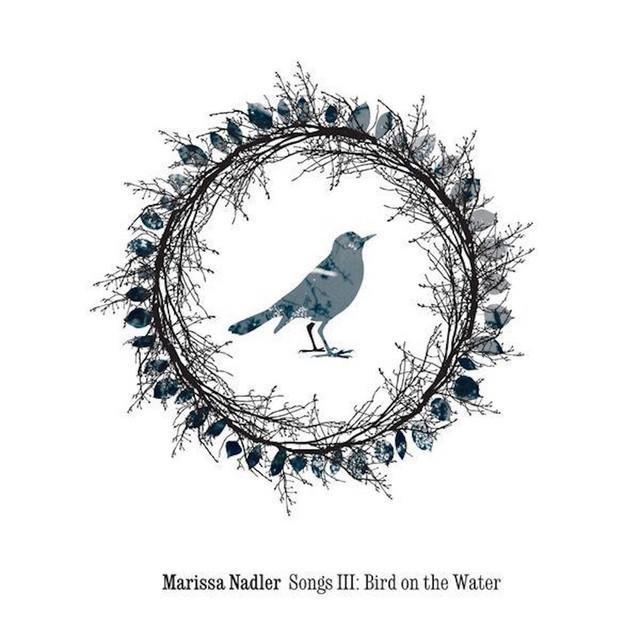
Diamond Heart by Marissa Nadler
Marissa Nadler’s songs often live in the space between dream and memory, and this one is no exception. The meaning of Diamond Heart Marissa Nadler centers on grief, romantic distance, and the way identity can keep changing while sorrow stays put.
"Diamond Heart" - Marissa Nadler
With red painted lips, and a Jezebel crown?
So have you heard I'm a singer now?
Loading lyrics...
Unable to load lyrics
We're unable to display the lyrics at this time. Please try again later.
Rather than telling a simple story, the song moves through scenes, objects, and repeated feelings. It sounds like someone trying to keep living after loss, even as every road, room, and season seems to echo with the person they miss.
Where the Song’s Heart Really Lives
At its core, “Diamond Heart” is about absence. The narrator presents themself as transformed: they are now a dancer, now a singer, now someone moving through towns, lovers, and bars. Yet all of that motion does not create freedom. It only sharpens the emptiness.
That is why the chorus matters so much. When Nadler repeats lonely diamond heart
, the image feels both strong and fragile. A diamond suggests toughness and shine, but the song pairs that hardness with aching loneliness. The result is a portrait of a person who survives pain without escaping it.
Interpretation: The title image may suggest emotional endurance. Their heart has become gem-like because grief and time have compressed it into something beautiful, cold, and nearly unbreakable.
Watch the official Diamond Heart
music video
A Narrator in Motion, Still Looking Back
The verses show a speaker who has changed roles and appearances. Details like red painted lips
and a performer’s self-presentation imply someone stepping into new versions of themself. There is confidence in those images, but also strain. They sound like costumes worn over unresolved hurt.
The song’s emotional hinge is the repeated search for someone no longer present. The narrator keeps looking in strange places: in nature, on highways, in city movement, in familiar nightlife. The phrase deliver me
gives that search a spiritual edge, as if reunion would feel like rescue.
That search is paired with a blunt fact of death. The mention of ashes scattered in snow brings mourning into the center of the song. This is not only a love song about missing a partner. It is also a song about how family death changes the emotional weather around a relationship.
Grief Turns the World Symbolic
One of Nadler’s strengths as a writer is how she lets concrete objects carry heavy feeling. In “Diamond Heart,” nearly every image seems to do double duty.
- Diamond trees feel unreal and radiant, turning nature into a memory-charged vision.
- Highways and traffic seas suggest constant movement without emotional arrival.
- Snow makes grief feel cold, quiet, and final.
- Bars suggest routine and coping, places where the narrator goes but does not heal.
- Clay bird and wooden book turn gifts into memorial objects.
Those last items are especially important. Near the end, the song shifts from searching to keeping. The gifts seem like tokens meant to preserve memory. They are handmade, physical, and fragile. In a song full of distance, these objects offer proof that connection once existed.
The Chorus Makes the Pain Plain
For most of the song, Nadler writes in layered, poetic pictures. Then the chorus strips that complexity down. The heart misses the absent person, and it misses them persistently. Even the slight shrug in oh well
sounds meaningful.
Interpretation: That phrase may not mean the pain is small. It may show resignation. The narrator cannot fix what happened, so the song lands in a weary acceptance that still hurts.
There is also a striking line repeated near the end about time feeling unbearably heavy: the hardest hours of the year
. That phrase captures how grief distorts time. Days do not just pass; they weigh on the body.
Your father died
ashes in the snow
In just those brief lines, the song ties private mourning to a cold, almost ceremonial image. It is one of the clearest emotional anchors in the piece.
How the Sound Supports the Meaning
Marissa Nadler is widely known for dream-folk and singer-songwriter work built around hushed vocals, acoustic textures, and a gothic haze, as reflected across her catalog and artist profiles such as Bandcamp and AllMusic. That style matters here.
Even without loud drama, the arrangement likely does a lot of emotional work. Nadler’s music often uses soft guitar, spacious reverb, and slow pacing to create a floating feeling. In a song like “Diamond Heart,” that kind of production suits lyrics about memory, ghosts of love, and emotional drift.
Instead of pushing toward release, the music tends to hover. That makes the longing feel ongoing. The listener is not pulled toward a climax; they are held inside the ache.
Two Strong Readings of “Diamond Heart”
Reading One: A breakup made heavier by death
The most direct reading is that the narrator misses a former lover, and the death of that person’s father deepens the sense of separation. Shared grief once connected them, but now even memory is fading.
Reading Two: A wider elegy for lost intimacy
Another reading is broader. The song may be less about one romance than about the accumulation of loss. Lovers, family members, old selves, and past seasons all blur together. That would explain why the song moves so fluidly between glamour, mourning, sex, travel, and keepsakes.
Both readings fit because Nadler writes with deliberate ambiguity. She gives listeners emotional truth more than plot certainty.
Why “Diamond Heart” Lingers
The meaning of Diamond Heart Marissa Nadler lasts because the song understands a painful contradiction: people keep moving while grief stands still. The narrator changes clothes, towns, partners, and roles, but the missing remains.
That is what makes the song so affecting. It is not only about heartbreak. It is about how loss settles into identity until even beauty starts to look like a form of mourning.
Disclaimer: This interpretation is based on the released lyrics and Marissa Nadler’s established style. As with any poetic song, listeners may hear meanings that differ from this reading.








