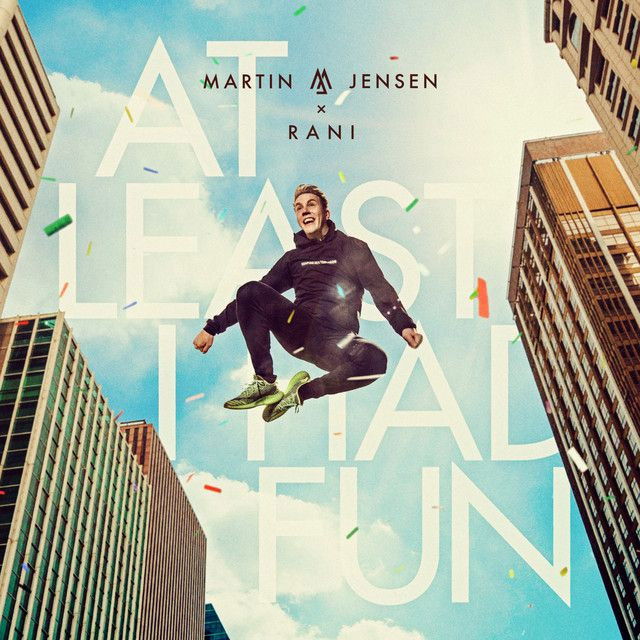
Why 'At Least I Had Fun' Hits Hard
The meaning of At Least I Had Fun Martin Jensen, RANI comes down to a simple but relatable conflict: they know the night went too far, yet they still refuse to call it a total mistake. The song lives in that messy space between freedom and fallout.
"At Least I Had Fun" - Martin Jensen, RANI
That summer feeling, oh-oh, oh
Don't need no reason, just living life
Loading lyrics...
Unable to load lyrics
We're unable to display the lyrics at this time. Please try again later.
Martin Jensen is known for bright, club-ready dance production, while RANI often brings emotional clarity to electronic pop songs. That mix matters here. The track sounds fun on the surface, but the lyrics keep reminding listeners that fun can leave a bruise the next morning.
A Party Song With Consequences Attached
At first, the song opens in escape mode. The narrator is lost in a perfect summer rush, almost like time has stopped. Phrases like daydream
and paradise
create a fantasy where rules, sleep, and responsibility do not matter much.
But the song does not stay in fantasy for long. It quickly adds images of reckless nightlife, including danced on cars
and moving from bar to bar. Those details are not there just to sound wild. They show how the night becomes a performance of freedom.
Interpretation: the song is not simply saying partying is good. It is showing how people sometimes chase intensity because ordinary life feels too small, too boring, or too demanding.
Watch the official At Least I Had Fun
music video
The Real Tension: Fun Versus Growing Up
One of the most important lines is the moment where someone says the narrator should mature. That changes the emotional frame. Suddenly, this is not only about one chaotic night. It becomes a song about resisting adulthood, judgment, and self-control.
When the singer admits Maybe I'm messed up
, the tone shifts. That confession makes the song more interesting than a basic dance anthem. They are not unaware. They understand that their behavior may look self-destructive.
That is why the title lands. At least I had fun
sounds cheerful, but it also sounds defensive. It is what someone says when they know the outcome was bad, but they need to rescue one good feeling from the wreckage.
How the Story Unfolds Overnight
The song follows a very clear timeline:
- They enter a dreamlike summer state.
- They spend the night chasing thrill after thrill.
- Someone challenges them to grow up.
- Morning arrives with a physical and financial crash.
- They justify it all with the chorus.
That structure is smart because the verses create evidence against the narrator's choices, while the chorus keeps arguing for them. The song almost stages a debate between consequence and memory.
Why the Morning-After Details Matter
The strongest writing in the song comes from the aftermath. Instead of describing the party as glamorous, it shows damage: a headache, a blank memory, and almost no money left. The phrase one dollar
is especially effective because it makes the cost feel specific and real.
Then comes the key emotional twist: not sorry
. That is not the voice of someone who learned a lesson. It is the voice of someone who knows they should feel ashamed, but chooses pleasure over apology.
Interpretation: this can be heard in two ways:
- as honest youthful rebellion
- as denial dressed up as confidence
Both readings fit the lyric. That ambiguity is part of the song's appeal.
What the Chorus Really Means
The chorus is repetitive on purpose. In dance-pop, repetition often creates release, but here it also acts like self-persuasion. The more they repeat the title, the more it sounds like they are trying to convince themselves.
That is why the hook sticks. It works as a slogan for carefree living, but it also hints at emotional bargaining. If the night cannot be called wise, healthy, or productive, then it can still be called memorable.
At least I had fun
Oh, at least I had fun
In context, that short refrain sums up the whole song: regret is present, but it does not get the final word.
How the Sound Sells the Message
Production plays a big role in meaning. Martin Jensen's style tends to favor crisp beats, bright synth textures, and an easy festival bounce, heard across his catalog and official releases on his artist platforms. That upbeat setting keeps the song from sounding tragic.
RANI's vocal delivery also matters. They do not sing the lines like a total collapse. The voice stays light and catchy, which creates tension with the lyrics about overspending, memory loss, and possible personal problems.
That contrast is the point. The production says, "keep moving," while the words say, "look at the consequences." Together, they create a song that feels both euphoric and slightly hollow.
A Bigger Reading Beneath the Hook
On the surface, this is a nightlife anthem. Underneath, it may be about how people defend impulsive choices when they are afraid of being ordinary, controlled, or judged.
The summer setting matters because summer often symbolizes temporary freedom. In that world, bad decisions can feel romantic rather than serious. But morning always returns. The song knows that, which is why it feels more human than many simple party tracks.
For listeners in the United States, that is likely why the song connects. It captures a common cultural idea: living for the moment while quietly knowing the bill will come later.
Final Take on the Song's Meaning
The meaning of At Least I Had Fun Martin Jensen, RANI is not that consequences do not matter. It is that some people will still choose the memory, the rush, and the story, even when the outcome is rough.
That makes the song catchy, but also a little sad. They are celebrating the night, yes, but they are also revealing how thin that celebration can be.
Disclaimer: This interpretation is based on the released lyrics, performance, and production style. Like most pop songs, it can support more than one reading.








