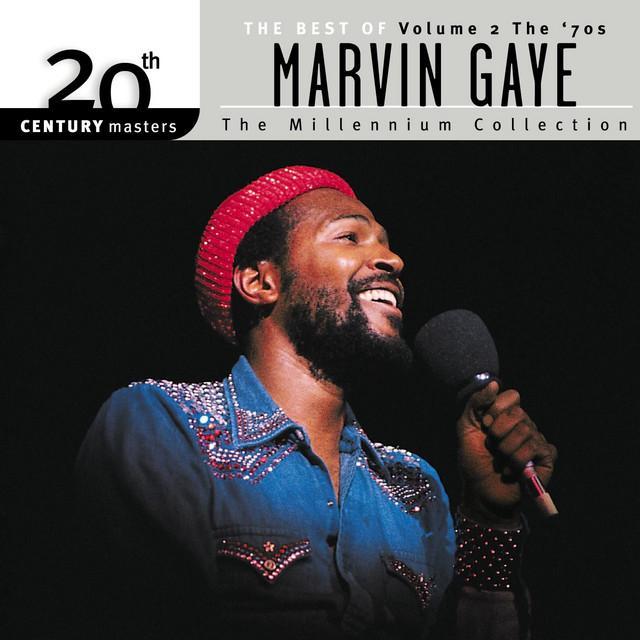
Why Marvin Gaye Had to Let Loose
The meaning of Got To Give It Up (Part 1) Marvin Gaye starts with a simple idea: a shy person stops standing at the edge of the party and finally joins in. What makes the song special is how Marvin Gaye turns that small moment into something bigger. It becomes a story about freedom, confidence, desire, and the healing power of rhythm.
"Got To Give It Up (Part 1)" - Marvin Gaye
And stand around
'Cause I was too nervous
Loading lyrics...
Unable to load lyrics
We're unable to display the lyrics at this time. Please try again later.
Released in 1977, the single version of "Got to Give It Up" ran about four minutes, while the full cut stretched close to 12. It was written by Gaye and produced with Art Stewart, and it became a No. 1 hit on the Billboard Hot 100, R&B, and dance charts. Those facts help explain why the track still feels huge in music history: it worked as a pop smash while sounding loose, strange, and deeply human.
From Wallflower to Center Floor
At the lyric level, the song follows a clear arc. The speaker begins as someone who used to avoid dancing, too tense to join the crowd. That opening matters because it gives the groove a purpose. This is not just music for moving; it is music that changes a person.
When they admit they were too nervous
to really join in, the song frames dancing as a personal hurdle. Then the mood shifts. The body wants freedom, the floor becomes inviting, and the old habit of hiding by the wall starts to disappear.
That is the emotional core of the song: embarrassment gives way to release. By the time the singer says they are havin' a ball
, the listener has heard a full transformation from hesitation to joy.
Watch the official Got To Give It Up (Part 1)
music video
What the Chorus Really Gives Up
The repeated line got to give it up
is easy to hear as a dance command. That is true, but it means more than "keep dancing." In context, it suggests giving up fear, stiffness, and self-protection.
Interpretation: the song argues that surrender can be healthy. They are not losing control in a destructive way. They are letting the groove pull them out of isolation and into connection.
That is why the refrain feels so warm instead of aggressive. It sounds like encouragement from someone who has already made the jump and wants others to trust the feeling too.
Desire Enters the Room
Once the singer relaxes, the song adds flirtation. The dance floor is not only a place for self-expression; it is also a social space where attraction grows. Early on, the lyric hints that if someone is moving confidently, another person may notice and romance might begin.
Later, the song gets more direct, especially with make romance
and erotic zone
. These phrases show how dancing in the track becomes charged with adult desire. Still, the song never stops being playful. The mood stays light, teasing, and mutual rather than dark.
Interpretation: this mix of dance and sexuality is central to Marvin Gaye's art in the 1970s. He often explored intimacy, but here he places it inside a crowded room, where body language says as much as words.
Why the Sound Sells the Story
A big part of the meaning of Got To Give It Up (Part 1) Marvin Gaye comes from its production. According to widely cited recording accounts, Gaye and Art Stewart created a party atmosphere in the studio, using chatter, layered voices, percussion, and unusual sounds like a bottle to make the track feel lived-in. Instead of a clean studio performance, it feels like listeners have walked into a room already in motion.
That choice matters. The narrator is learning to loosen up, and the recording itself sounds loose. The beat blends disco and funk: soft but steady drums, bright hand percussion, cowbell, elastic synthesizer bass, guitar, and saxophone. Gaye begins in a fluttering falsetto, then grounds the performance with a stronger tenor feel later on. That vocal shift mirrors the lyric shift from anxiety to confidence.
The track was reportedly created after Motown pushed Gaye toward disco, a style he had resisted. Yet rather than make something cold or formulaic, he built a record that feels organic and soulful. In that sense, the song is both a dance hit and a sly artistic win.
More Than Disco, More Than a Joke
Some critics and historians describe the song as Gaye's answer to the disco trend, even a playful response to Johnnie Taylor's disco-era success. That context is useful, but the finished song does not play like a joke. It is too affectionate, too detailed, and too committed to its own groove.
If anything, Gaye proves that dance music can hold character and storytelling. The singer is not a generic party host. They are a person with insecurity, hunger, and growing confidence. That human shape is why the song lasts.
The Lasting Meaning
The legacy of the track supports that reading. It became one of Gaye's defining hits, appeared in many films and TV shows, and later stood at the center of major conversations about musical influence because of the "Blurred Lines" lawsuit. But beyond charts and legal history, the song endures because its emotional idea is easy to recognize.
Nearly everyone knows what it feels like to stand outside the fun, waiting to be pulled in. Marvin Gaye turns that feeling into a groove, then shows how rhythm can break the spell.
Final takeaway
The meaning of Got To Give It Up (Part 1) Marvin Gaye is about surrender in the best sense: letting music dissolve fear so pleasure, movement, and connection can begin. Interpretation: they present dancing not as escape from life, but as a brief and joyful way back into it.
Disclaimer: This interpretation combines lyrical reading, musical analysis, and historical context. As with any song, listeners may hear different meanings in it.








