Why Marvin Sapp's Song Still Heals
For many listeners, the meaning of Never Would Have Made It Marvin Sapp comes down to one clear idea: survival becomes testimony. The song does not hide pain. Instead, it looks directly at struggle, then turns that memory into gratitude, faith, and strength.
"Never Would Have Made It" - Marvin Sapp
Never could have made it, without You
I would have lost it all
Loading lyrics...
Unable to load lyrics
We're unable to display the lyrics at this time. Please try again later.
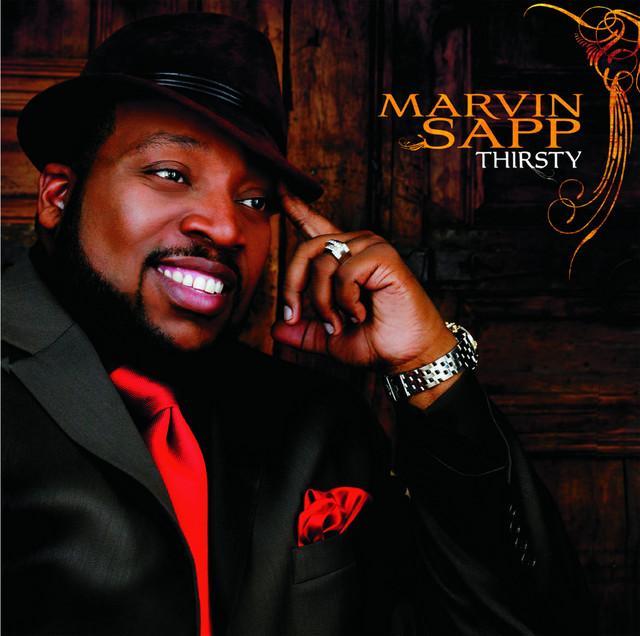
Marvin Sapp released the song on Thirsty in 2007, and it became one of the biggest gospel songs of its era. It spent 46 weeks at No. 1 on Billboard's Hot Gospel Songs chart, crossed over to the Hot 100, and was later certified Platinum by the RIAA. Those facts matter because they show how a deeply personal gospel record reached far beyond church walls (Wikipedia).
A Testimony More Than a Ballad
At the center of the song is a simple confession: they got through because God carried them. When Sapp sings Never would have made it
, the line is not just dramatic language. It frames the whole song as a witness statement from someone who has already come through the worst.
The next key idea is loss narrowly avoided. The lyric I would have lost it all
points to emotional collapse, not only material trouble. In plain terms, the singer is saying the danger was total. Faith did not just improve life; it preserved it.
That is why the song lands so hard with people facing grief, illness, burnout, or depression. It names the feeling of almost breaking, then replaces it with a calm but powerful conclusion: they are still here.

Watch the official Never Would Have Made It
music video
The Backstory Deepens the Message
Context sharpens the song's meaning. According to reporting collected by Wikipedia, Sapp wrote the song as a tribute after the death of his father, Henry Lewis Sapp Jr., and said it came by divine inspiration the Sunday after the burial. That does not reduce the song to one event, but it gives the performance real emotional weight.
Knowing that background, listeners can hear the song as grief transformed into worship. They are not singing from theory. They are singing after burial, shock, and mourning. That is why the message feels earned.
Interpretation: Even without knowing the backstory, the song suggests a before-and-after moment. With the context, that transformation sounds even more like a direct response to bereavement.
How the Lyrics Build Strength Line by Line
One reason the song works is that its language is plain. There are no dense metaphors. Instead, it uses short statements that gather force through repetition.
The phrase stronger, wiser
marks the turning point. The singer is not claiming life became easy. They are saying hardship changed them. Pain becomes a teacher, not just a wound.
Then the song adds a backward glance: When I look back
. That phrase matters because the song lives in reflection. They can only say they made it because they now stand on the other side of the storm.
I made it through my storm
And my test because You were there
This short passage sums up the song's logic. There was a storm. There was a test. God was present. Survival becomes proof of that presence.
From Private Prayer to Group Healing
Another big part of the meaning of Never Would Have Made It Marvin Sapp is how the song shifts from personal confession to communal encouragement. Early on, it sounds intimate, almost like one person remembering a hard season. Later, it opens outward and invites others to testify too.
That move is central to gospel music. A testimony is never only private. Once spoken aloud, it becomes something others can borrow. When Sapp urges people to declare that they made it, the song becomes less of a solo and more of a shared healing space.
Interpretation: This is why the repeated declarations matter. They create room for listeners to place their own story inside the song. The words are specific enough to feel true, but broad enough to hold many kinds of suffering.
Why the Sound Hits So Deep
Production also carries the message. The arrangement builds like a live church moment, with piano, steady rhythm, swelling backing vocals, and space for Sapp's voice to move from controlled reflection to open-throated release. The song exists in radio and longer versions, but its emotional design stays the same: start with testimony, then intensify into collective affirmation (Wikipedia).
Sapp's vocal performance is the key instrument. He does not rush. He stretches phrases, repeats lines, and sounds as if each statement must be fully felt before the next can arrive. That pacing makes the song believable.
The repetition of I made it
is especially effective. Musically, it works almost like a chant. Emotionally, it sounds like someone convincing themselves, then realizing it is true.
Why It Reached Beyond Gospel Audiences
The song's chart run shows its reach. It hit No. 82 on the Billboard Hot 100 and No. 14 on Hot R&B/Hip-Hop Songs while dominating gospel radio (Wikipedia). That crossover makes sense because the song speaks a language many people understand, whether they hear it as worship, motivation, or recovery.
Its core message is universal: they survived something that should have taken them out. In church, that reads as praise. Outside church, it can sound like resilience. In both settings, the emotional truth is the same.
The Lasting Takeaway
So, what is the song really saying? It says survival can be sacred. It says looking back can reveal grace. And it says pain does not get the last word.
For listeners searching for the meaning of Never Would Have Made It Marvin Sapp, the answer is both spiritual and human: they endured a breaking point, discovered they were held up, and now speak from the other side with gratitude.
Disclaimer: This article offers interpretation based on the song's lyrics, performance, and publicly available background. Meaning can vary from listener to listener.









