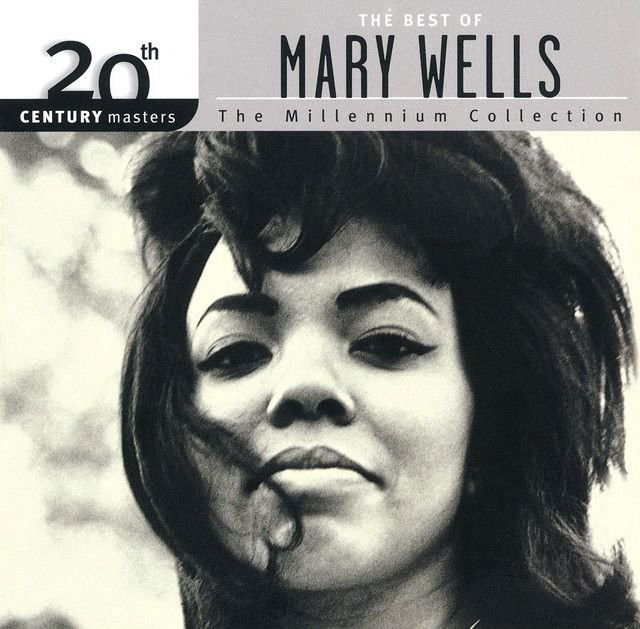
Why 'My Guy' Still Sounds So Sure
For listeners searching for the meaning of My Guy Mary Wells, the core idea is simple and strong: this is a song about loyalty that does not need glamour to feel real. Mary Wells sings from the point of view of someone who knows what she wants, knows who she loves, and does not care what outsiders think.
"My Guy" - Mary Wells
Can tear me away from my guy
Nothing you could do
Loading lyrics...
Unable to load lyrics
We're unable to display the lyrics at this time. Please try again later.
That confidence is why the song still lands. Released by Motown in 1964, My Guy became Wells' biggest hit and reached No. 1 on the Billboard Hot 100, helping establish her as Motown's first major female star (Billboard, Wikipedia). Its message is romantic, but also quietly defiant.
The Heart of the Song: Love as a Firm Choice
At the center of the song is a refusal. The singer says no one can tempt, persuade, or impress them away from their partner. Even before the famous hook, the song frames love as a decision that has already been made.
When Wells sings stuck like glue
, the image is playful, but the point is serious. This relationship is not casual. It is bonded, steady, and hard to break.
That makes the song feel different from many pop love songs that focus on longing or heartbreak. Here, there is no uncertainty. The singer is not asking whether love will last. They are announcing that it already has.
Watch the official My Guy
music video
A Voice Speaking Back to the Crowd
One of the smartest things about the lyric is that it sounds like an answer to pressure. Other people seem to be talking, judging, or trying to lure the singer elsewhere. The chorus pushes back against all of that.
The repeated phrase my guy
matters because it sounds both intimate and protective. It is not just a label for a boyfriend. It marks a bond the singer wants to defend.
Interpretation: The song can be heard as a declaration of romantic faithfulness, but also as a statement of personal agency. They are not merely devoted; they are in control of their own choice.
Why Ordinary Looks Matter So Much
A key lyric idea is that this man is not flashy. The song openly admits he may not be glamorous or famous. That is important because it shifts the song's values away from status.
When the singer brushes off the appeal of a handsome face
or a stronger, more polished rival, the song argues that appearance is not the same as happiness. In plain terms, they would rather have trust than showmanship.
That is why one of the song's sharpest lines is the claim that he is not a star, yet they are happy together. In a pop world that often celebrates fantasy, My Guy praises ordinary love. It says emotional safety beats image.
He may not be a movie star
but when it comes to bein' happy we are
This brief moment sums up the song's values: love is measured by joy and honesty, not public shine.
Smokey Robinson's Writing Turns Simplicity into Power
The song was written and produced by Smokey Robinson, credited formally as William Robinson Jr. (Encyclopaedia Britannica, Wikipedia). His lyric style here is direct, but not flat. He uses everyday comparisons to make the feeling vivid.
The image like a stamp to a letter
is a great example. It is easy to picture, easy to remember, and perfect for the song's theme of closeness. Robinson does not need abstract poetry. He builds meaning from common objects and common speech.
That plain language also fits Mary Wells' delivery. She sounds conversational rather than grand, which makes the loyalty in the song feel lived-in. The message is not dressed up. It is meant to sound true.
How the Motown Sound Supports the Meaning
Part of the meaning of My Guy Mary Wells comes from how it sounds. The recording has the bright pulse of classic Motown, but it is not rushed. It moves with a light shuffle feel, hand-clap energy, and a warm groove shaped by the Funk Brothers and background vocals from the Andantes (Motown Museum, Wikipedia).
That musical setting matters. The beat is confident without being aggressive. The arrangement feels supportive, almost like the music itself is backing up the singer's certainty.
There is also personality in Wells' vocal. Reports about the session note that she added a playful, husky touch near the end, and that the team decided to keep it (Wikipedia). That little wink gives the song charm. Instead of sounding stern, loyalty sounds joyful.
Small musical details, big emotional effect
A few elements do a lot of work:
- steady drums and bass create stability
- bright piano and keyboards add bounce
- backing vocals reinforce the main claim
- Wells' relaxed phrasing makes devotion sound natural
Together, those choices make the song feel secure, not anxious.
Why the Song Connected in 1964 and Beyond
In 1964, a hit like this could work as both a catchy single and a cultural statement. It offered a female voice that was affectionate but not passive. The singer is not waiting to be chosen. They are choosing.
That helps explain the song's long life. It was later honored with Grammy Hall of Fame recognition, and it has inspired many cover versions across pop, R&B, country, and even gospel adaptation (Recording Academy, Wikipedia). Different artists heard the same durable idea: real love does not need outside approval.
The Best Way to Read the Ending
By the end, the repeated insistence can sound almost like a chant. That repetition is not just catchy songwriting. It shows how committed the speaker is.
Interpretation: Some listeners may hear the song as slightly defensive, as if the singer is answering real social pressure. Others may hear it as pure celebration. Both readings fit, because the lyric balances sweetness with resolve.
Final Take on the Meaning
The meaning of My Guy Mary Wells is about steadfast love, pride in an ordinary partner, and the freedom to stay loyal on one's own terms. Its brilliance lies in how easy it sounds. Behind the friendly melody is a firm statement: happiness matters more than appearance, status, or temptation.
That is why the song still feels fresh. It turns devotion into confidence.
Disclaimer: This article offers interpretation based on the released recording, songwriting context, and documented history. As with any song, listeners may hear meanings that differ from this reading.








