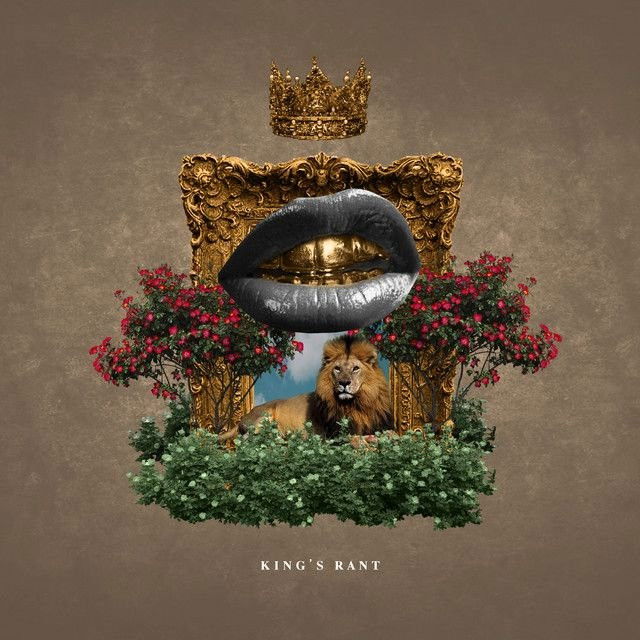
Why Masego Crowns Himself on "King's Rant"
The meaning of King's Rant Masego comes through fast: this is a victory speech, a boundary-setting speech, and a playful self-mythology all at once. Masego does not sound unsure here. They present a character who believes he has earned the right to name his own status and protect his own space.
"King's Rant" - Masego
Got a hundred million people screamin Tadow
Had a world tour, made a lotta M's
Loading lyrics...
Unable to load lyrics
We're unable to display the lyrics at this time. Please try again later.
Rather than asking listeners for approval, the song acts like a coronation. It turns success, style, and independence into proof that he belongs at the center of his own world.
The Song’s Core Message Is Bigger Than Bragging
On the surface, “King’s Rant” is full of flexes. Masego references touring, industry connections, female attention, and his effect on songs he appears on. But underneath that swagger is a clearer point: he thinks many people fail to see his real value, so he says it himself.
That is why the song feels less like empty boasting and more like an argument for artistic self-definition. When he insists on his status, he is also pushing back against being overlooked. Early lines about not needing help and keeping to himself frame the whole track as a statement of autonomy.
Interpretation: the “rant” in the title matters. A rant is emotional, blunt, and unfiltered. So even when the bars are funny or flashy, they still sound like pressure being released.

Watch the official King's Rant
music video
A King, a Garden, and a Private World
The song’s central image is the hook: King of the garden
. That phrase gives the track its strongest symbol. A king suggests authority, while a garden suggests something planted, grown, and maintained.
Masego expands that image in the verses when he talks about making a lane, planting a tree, and building a garden. He is not just claiming talent; he is claiming cultivation. His career is presented as an ecosystem he built, not a trend he stumbled into.
Y'all can call me King
King of the garden
This short refrain works because it is simple and ceremonial. It sounds like a title being repeated until it becomes fact.
Why the Fame Lines Sound So Tense
One of the most interesting parts of the meaning of King's Rant Masego is the way success and discomfort sit together. He mentions major accomplishments and celebrity proximity, yet he also says he does not really want fame.
That tension matters. He wants recognition for the work, but he does not want the loss of privacy that comes with celebrity culture. When he says I want no fame though
, the line lands less like false modesty and more like frustration with how fame distorts people.
He seems to like proof of impact, not necessarily the machine around it. That helps explain the song’s emotional split: proud, irritated, amused, and guarded at the same time.
The Verses Build a Case for Control
The verses move like a list of evidence. He points to tours, contacts, memories with famous names, and his ability to outshine collaborators. The claim that track is mine now
is not just ego; it is a way of saying his presence changes the room.
He also draws hard boundaries around time and access. One key stretch frames wasted time as disrespect. That turns the song from celebration into code of conduct: if people do not value him, they do not get entry.
This is where the record feels especially modern. Many artists write about success, but Masego ties success to curation. He is choosing what gets his attention and what does not.
The Sound Helps Sell the Crown
Even without quoting much, listeners can hear how the production supports the message. The track leaves plenty of room for voice and rhythm, which makes the performance feel conversational but commanding. The groove is smooth, yet the delivery has the snap of a speech.
That contrast fits Masego’s broader style. They are known for blending jazz phrasing, R&B melody, and genre-fluid songwriting, a profile widely noted in coverage of his career at outlets like NPR and Billboard. On this track, that musical looseness makes the confidence feel natural rather than stiff.
Interpretation: the beat does not overpower the song because the persona is the event. The production acts like a stage for self-coronation.
Is the Song Serious, Playful, or Both?
A good reading of “King’s Rant” keeps both sides in view. Some lines are clearly serious, especially when he talks about independence and protecting his time. But other moments are so exaggerated that they invite a grin.
That playful edge matters. Masego seems aware that rap bravado can be theatrical. So when he asks What I look like?
, the line feels both rhetorical and performative. He already knows the answer. The repetition turns the question into a chant of self-recognition.
There is also a subtle critique hiding inside the flexes. He contrasts his own path with people chasing money or image. In that frame, being “king” is not just about popularity. It is about building something real enough to last.
The Takeaway Behind the Rant
At its heart, “King’s Rant” is about claiming authorship over a life and career. Masego uses bragging as armor, humor as style, and the garden image as proof of long-term growth. The song says that if the world is late to recognize the work, he will not wait quietly.
So the meaning of King's Rant Masego is not only that he feels superior. It is that he feels self-made, self-aware, and unwilling to let other people write his story for him.
Disclaimer: This interpretation is based on the song’s lyrics, performance, and public artist context. Like most music analysis, some meanings remain open to listener interpretation.









