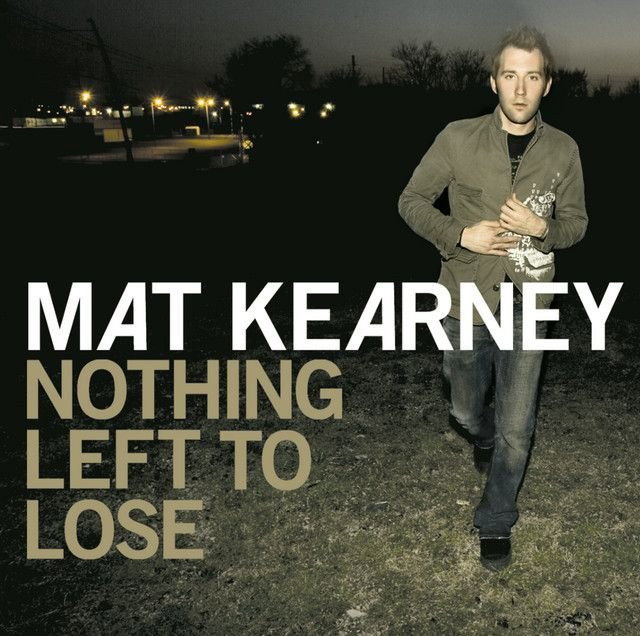
Why 'Nothing Left to Lose' Feels Like Freedom
The meaning of Nothing Left to Lose Mat Kearney comes down to a turning point. The song captures the moment when fear, heartbreak, and uncertainty stop feeling like reasons to stay put and start feeling like reasons to move.
"Nothing Left to Lose" - Mat Kearney
The sky's alive with a burning light
You can mark my words something's about to break
Loading lyrics...
Unable to load lyrics
We're unable to display the lyrics at this time. Please try again later.
Mat Kearney builds that idea through motion, memory, and release. The narrator is bruised but not beaten. They sound like someone who has been through a long inner fight and finally decides to risk everything for love, change, or a more honest life.
A Song About Risk After Exhaustion
At the surface, the track sounds like a road song. There is a car, a trip east, and a world rushing by. But underneath that movement is a deeper emotional shift. The narrator has reached a place where waiting no longer works.
Early lines set the tone with signs that change is coming. The air feels charged, the sky seems lit up, and something is about to break. That break can be heard as crisis, but also as breakthrough. Interpretation: the song treats collapse and renewal as part of the same moment.
When the singer describes a bitter fight
, they frame the journey as hard-won. This is not reckless freedom. It is freedom that comes after strain, confusion, and emotional fatigue.

Watch the official Nothing Left to Lose
music video
Who They Are Singing To
The song speaks to a "you," but it never fully defines that person. That is one reason the song has lasted. Listeners can hear the addressee as a lover, a future partner, or even a better version of life waiting ahead.
The line about holding someone's hand through the darkest night suggests loyalty and intimacy. Still, there is distance too. The repeated idea that the other person is coming soon makes the relationship feel just out of reach.
Interpretation: this ambiguity matters. The song may be about romance, but it also works as a song about hope itself. The narrator is not just chasing a person. They may be chasing arrival, meaning, and emotional rescue.
The Chorus Turns Defeat Into Motion
The chorus is the song's key. When Kearney repeats nothing left to lose
, he transforms a bleak phrase into a liberating one.
Usually, that idea sounds desperate. Here, it sounds open. If there is nothing left to protect, then there is finally room to move. The chorus takes the emotional weight of the verses and converts it into momentum.
That is why lines like like we were free
matter so much. The song is not claiming the characters already are free. It imagines freedom first, then tries to sing and drive its way toward it. In that sense, the chorus is less a statement than a leap.
Travel, Fire, and Memory as Symbols
Several images carry the song's emotional meaning:
- The road: Action replaces paralysis. Driving becomes a form of faith.
- Fire: Passion, danger, and purification all at once.
- Geography: Oregon, California, and Nashville suggest a life in motion.
- Trains and fruit: Small sensory memories make the story feel lived-in.
When the narrator says they headed east
, the direction matters. East often symbolizes a new beginning, sunrise, or rebirth. That makes the trip feel spiritual as well as physical.
The image of fire in these hills
adds urgency. Fire can destroy, but it can also clear ground. The song keeps both meanings alive. This is a world where change feels dangerous, yet necessary.
There is also a quieter layer in the verse about trains, Hobart Street, Nashville, and pomegranates. Those details root the song in memory. They suggest the narrator is carrying an earlier life into a new one, not erasing it.
And here we goThere's nothing left to chooseAnd here we goThere's nothing left to lose
This short refrain sums up the emotional logic of the song. Choice has narrowed, but possibility has widened.
How the Sound Supports the Meaning
The production helps sell the song's sense of lift. Kearney's music often blends singer-songwriter intimacy with pop-rock drive, a style noted across his career on his official site and major music databases like AllMusic. That mix fits this song well.
The verses feel reflective, but the chorus opens up with more force. The rhythm pushes forward like a car picking up speed. The melody is built for group singing, which makes the personal story feel communal.
Interpretation: that matters because the song is about climbing off the floor emotionally. A restrained arrangement would not carry the same message. The bigger chorus sounds like release itself.
Artist Context Sharpens the Reading
Mat Kearney wrote the song, and the lyrics themselves point to a life shaped by movement: Oregon, California, then Nashville. Those references make the track feel autobiographical in texture, even if listeners should avoid reducing it to diary-only meaning.
Kearney is known for writing songs that combine spiritual openness, romantic searching, and everyday detail, as reflected in career summaries from Britannica and AllMusic. This song fits that pattern. It is plainspoken, but emotionally layered.
The Best Way to Understand It
The meaning of Nothing Left to Lose Mat Kearney is not that the narrator has given up. It is that they have reached a point where surrender to motion feels wiser than clinging to fear.
That is why the song still connects. It speaks to anyone standing at the edge of a decision, carrying old memories, and hoping the next mile might finally feel like freedom.
Disclaimer: This interpretation is based on the released lyrics, musical cues, and publicly available artist context. Like most songs, it remains open to more than one valid reading.








