Why "King Without a Crown" Still Hits Hard
The meaning of King Without a Crown Matisyahu starts with a simple tension: they feel empty, but they also believe fullness is possible. The song is a prayer, a fight song, and a testimony all at once. Instead of treating faith like a quiet private thought, Matisyahu turns it into motion, rhythm, and urgency.
"King Without a Crown" - Matisyahu
Each and every day I pray to get to know you please
I want to be close to you, yes I'm so hungry
Loading lyrics...
Unable to load lyrics
We're unable to display the lyrics at this time. Please try again later.
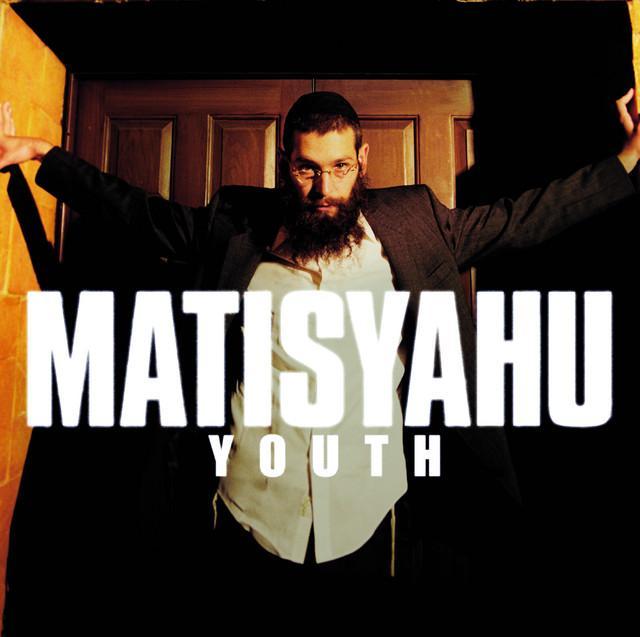
Released during the rise that made him a breakout artist in the mid-2000s, the song helped define his public identity: a performer blending reggae, beatboxing, hip-hop phrasing, and Jewish spirituality. According to the song credits widely listed by music databases, it was written by Matthew Miller and Joshua Werner. That mix of personal devotion and crossover sound is a big reason the track reached beyond one religious audience.
A Song About Need, Not Image
At its core, the song is about dependence on God. The opening idea is not subtle: the speaker says the divine is everything they need. When they compare that presence to water and air, the message becomes physical. Faith here is not decoration. It is survival.
That is why lines like all that I need
and water for my soul
matter so much. They frame spiritual life as a basic human need, not an extra layer on top of success. The song keeps returning to hunger, thirst, and breath to show that the soul can feel starved even when the outside world looks busy or full.

Watch the official King Without a Crown
music video
Darkness, Ego, and Inner Battle
The next key layer in the meaning of King Without a Crown Matisyahu is struggle. The song does not pretend belief removes conflict. Instead, it describes pressure, confusion, and what the lyrics call demons. That can be heard literally by religious listeners, but it also works as a vivid image for fear, temptation, despair, or self-sabotage.
When the singer insists I believe
, it lands like a decision made under pressure. This is faith spoken in the middle of a fight, not after one. The repeated determination to stand up, resist collapse, and keep moving suggests a person trying to reclaim their center.
The Song's Sharpest Warning
The most direct teaching in the lyric arrives in the verse about pride. Matisyahu argues that people can want God while still being too full of themselves to receive anything. He uses the image of an already full cup and warns that ego blocks growth.
Interpretation: this is one of the song's deepest ideas. The real enemy may not just be outside darkness. It may also be the self that refuses surrender. In that reading, becoming whole requires giving up false control.
What the Title Really Suggests
The title image is one of the song's smartest moves. A king without a crown is still a king, but something visible is missing. The title suggests lost dignity, hidden purpose, or spiritual identity that has not been fully claimed.
When the lyrics compare a searching, hurting person to a King without his Crown
, the point seems to be that human beings carry worth they often cannot access. They are made for more, yet they keep falling. The tragedy is not that greatness is absent. It is that greatness is disconnected from its source.
Why the Chorus Feels So Explosive
The chorus shifts the song from struggle to release. The phrase rip a hole in the ceiling
gives the feeling of devotion breaking through limits. Instead of quiet restraint, the hook imagines love for God as forceful, upward, almost physical.
That matters because the verses are full of heaviness. The chorus answers that heaviness with expansion. Singing becomes healing. Love becomes energy. Hope becomes loud.
What's this feeling?
My love will rip a hole
songs of love and healing
In paraphrase, the chorus says that spiritual awakening can feel overwhelming in a good way. It opens the self, breaks through numbness, and turns private devotion into public sound.
Jewish Language, Universal Reach
Part of what made the song stand out was its use of explicitly Jewish references inside a mainstream-friendly structure. Words like Hashem and Moshiach place the song inside Jewish belief and longing. Matisyahu did not dilute that vocabulary to make it easier.
At the same time, the emotional shape of the song is broad enough for many listeners. Even people outside that faith tradition can recognize the emotional arc: emptiness, struggle, surrender, renewal. That mix is a major reason the song connected in the United States beyond reggae fans or religious audiences.
How the Sound Carries the Message
The production is crucial to the meaning. The reggae groove gives the song a steady pulse, which fits the message of grounding and trust. But Matisyahu also pushes beyond classic roots reggae with beatboxing, rock energy, and a vocal style that swings between chanting, singing, and urgent declamation.
That blend mirrors the lyric's tension between contemplation and battle. The beat feels rooted; the voice feels restless. As the arrangement builds, the performance sounds less like a quiet prayer and more like a spiritual breakthrough happening in real time.
Final Take on the Song's Meaning
The meaning of King Without a Crown Matisyahu is ultimately about rediscovering spiritual purpose through humility, struggle, and devotion. It argues that people are most lost when they chase speed, pride, or empty highs, and most whole when they make room for something greater than themselves.
Interpretation: the song endures because it offers both conviction and vulnerability. They do not sing as someone who has never fallen. They sing as someone still fighting to stand.
Disclaimer: This interpretation is based on the lyrics, performance, and public context of the song. As with any art, listeners may hear meanings that differ from this reading.








