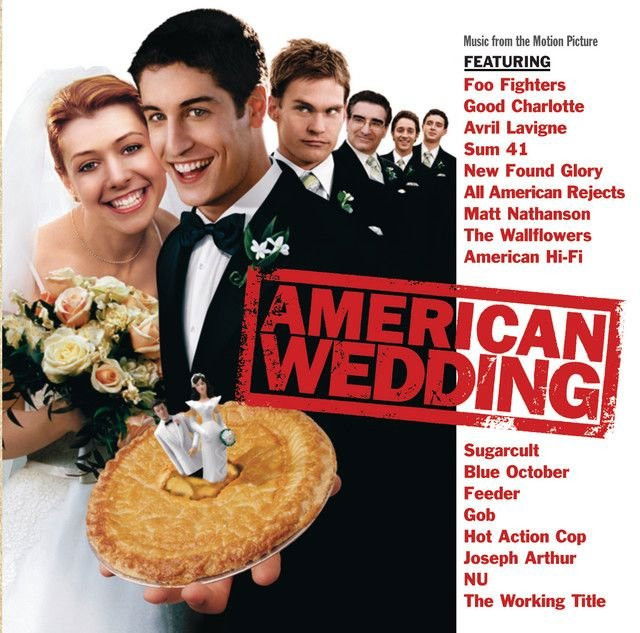
Laid by Matt Nathanson
The meaning of Laid Matt Nathanson starts with a contradiction: the song sounds playful and catchy, but the story it tells is messy, obsessive, and a little alarming. Matt Nathanson did not write the song; his version covers the James track that first appeared in 1993, written by Timothy Booth, Larry Gott, and Jim Glennie. Nathanson’s take helped introduce it to a newer U.S. audience through his live sets and his knack for turning sharp emotional songs into crowd-pleasers.
"Laid" - Matt Nathanson
The neighbors complain about the noises above
But she only comes when she's on top
Loading lyrics...
Unable to load lyrics
We're unable to display the lyrics at this time. Please try again later.
A Hooky Song About Wanting Too Much
At its core, the song is about a relationship driven by desire that has gone way past healthy limits. The opening image, with the bed practically bursting from passion, frames the romance as physical first and stable second. When the narrator admits the other person only arrives under certain terms, the song already hints that power in this relationship is uneven.
That is why the track feels funny and uneasy at once. It rushes from sex to therapy to break-ins and jealousy without slowing down. The humor keeps the song lively, but the pattern suggests fixation, not comfort.
Interpretation: The song is less a celebration of romance than a portrait of chemistry so strong it becomes destructive.
Watch the official Laid
music video
The Story Moves Like a Spiral
The verses work like snapshots of a couple who cannot stop pulling each other back into chaos. One moment a therapist warns the narrator away; the next, the song jumps into scenes of theft, fights, role-play, and blurred boundaries. Small phrases like on top
, like a disease
, and driving me crazy
show how the relationship mixes pleasure, dependence, and instability.
There is a clear pattern:
- Attraction is intense.
- Outsiders see the danger.
- Separation fails.
- Obsession keeps returning.
By the time the narrator says they thought they were alone but found the other person beside them, the song has crossed from wild romance into invasion. That shift matters. It turns the song into more than a cheeky sex anthem.
Why the Chorus Sounds So Blunt
The repeated title phrase is intentionally simple. After all the dramatic details, the chorus strips the relationship down to one physical fact. That makes the hook memorable, but it also exposes the emptiness underneath the drama.
Interpretation: The chorus may be the joke. No matter how bizarre or unhealthy things get, the narrator keeps reducing the bond to sex. That bluntness shows how obsession narrows their thinking.
Because Nathanson often leans into emotional directness as a performer, his version can make that contrast hit even harder. The audience hears a huge sing-along line, but the verses tell a far stranger story.
Gender, Power, and Role-Playing
One of the song’s most discussed moments involves clothing, makeup, and shifting identity in the line about gender roles
. The lyric does not read as a calm exploration of identity. Instead, it appears in a pileup of extreme relationship scenes.
That context matters. The song seems interested in performance inside intimacy: who controls the scene, who gets remade, and how desire can blur a person’s sense of self. Another short phrase, call me pretty
, adds vulnerability to the narrator’s voice. They sound mocked, seduced, and willing all at once.
Interpretation: Rather than making a broad statement about gender, the song uses role-play to show how this relationship keeps shifting power. The narrator is both participant and target.
How Matt Nathanson’s Version Changes the Feel
Factually, this song originated with James on the album Laid, produced by Brian Eno, a detail noted in album histories and band references such as AllMusic. Nathanson’s version is a cover, and that matters because cover songs often change emphasis.
James delivered the song with a wiry, sly edge. Nathanson, known for bright acoustic pop-rock and conversational vocals, tends to make songs feel more open and immediate, as reflected in his artist profiles at AllMusic. In that setting, the song can feel less eerie on the surface and more charming at first listen.
But the production idea still supports the meaning. The melody is catchy, the pacing is quick, and the vocal delivery keeps the lines moving before listeners can fully sit with how extreme they are. That mismatch is part of why the song works.
Why People Still Respond to It
The meaning of Laid Matt Nathanson stays interesting because the song balances three things at once:
- lust
- comedy
- emotional disorder
Listeners can enjoy the hook casually, but the lyrics reward a closer read. They sketch a couple trapped in a cycle of attraction and damage, where even moving away does not create distance. The song exaggerates for effect, yet its core idea is recognizable: sometimes desire makes people ignore every warning sign.
Final Take: A Clever Song With a Dark Core
In the end, the song is not just about sex. It is about obsession dressed up as flirtation, and about how a relationship can feel exciting even while it becomes impossible to control. Matt Nathanson’s version keeps that tension alive by pairing an easy, crowd-friendly sound with lyrics that are much more chaotic than they first appear.
Interpretation disclaimer: This reading is an informed interpretation based on the lyrics, the song’s original context, and Nathanson’s cover performance. Different listeners may hear the tone and message differently.








