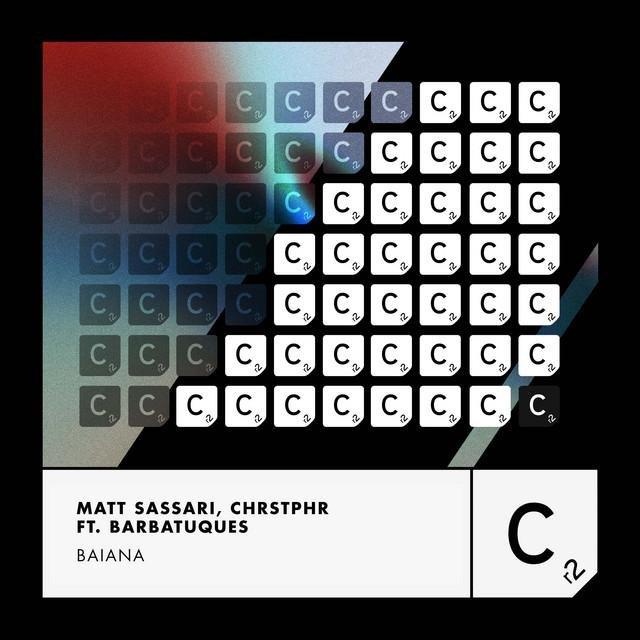
Why "Baiana" Feels Like a Ritual Entrance
The meaning of Baiana Matt Sassari, CHRSTPHR, Barbatuques starts with a simple idea: arrival. This is not a lyric-heavy song built around plot twists or confession. Instead, it uses a few repeated lines to create the feeling of someone entering a space, greeting the people there, and setting a shared rhythm.
"Baiana" - Matt Sassari, CHRSTPHR, Barbatuques
Boa noite
Boa noite
Loading lyrics...
Unable to load lyrics
We're unable to display the lyrics at this time. Please try again later.
That matters because the track lives in two worlds at once. It works as a modern club record, but it also carries the sound of a public welcome. The result is a song that feels less like private emotion and more like a collective moment.
A Greeting Turned Into a Hook
At the center of the song is a repeated introduction. The speaker announces their presence with Povo que eu cheguei
and follows it with Boa noite
. In plain terms, they are saying they have arrived and are greeting the crowd.
That sounds simple, but the repetition changes the meaning. Instead of acting like filler, the words become ritual. Every return of the phrase makes the entrance feel bigger, almost ceremonial, as if the song is not just beginning but opening a space for everyone inside it.
The other key phrase is apresentar meu baianá
. Paraphrased, the singer says they have come again to present their "baianá." Interpretation: this suggests an offering of music, movement, or cultural identity rather than a literal object. They are not only showing up. They are bringing something with them.
What the Lyrics Actually Do
The lyric sheet is very short, but it still has structure. It moves in a loop:
- The speaker arrives.
- They greet the people.
- They announce what they have come to present.
- The cycle repeats until it feels communal.
That repeated cycle is why the song feels so physical. The words are not there to tell a detailed story. They work like a chant at a gathering, where meaning grows through rhythm and return.
A short section captures the pattern clearly:
Povo que eu cheguei
Mais outra vez
apresentar meu baianá
Even here, the point is not complexity. It is persistence. The song keeps re-introducing itself, which makes the act of presentation feel ongoing and alive.
The Cultural Pulse Behind the Track
A big part of the song's impact comes from Barbatuques, the Brazilian group known for body percussion and vocal experimentation. That context helps explain why such sparse lyrics can feel so full. Their style has long focused on turning the human body into rhythm, giving performances a strong communal and physical energy.
In this collaboration, that energy is crucial. Matt Sassari and CHRSTPHR bring the tools of club production: steady groove, pressure, repetition, and release. Barbatuques bring the sense that rhythm begins with people, not machines. Together, they make the track feel both electronic and ancestral.
Interpretation: that blend deepens the song's meaning. The repeated greeting stops sounding like a random sample and starts sounding like a bridge between dance floor culture and Brazilian performance tradition.
Sound as Meaning, Not Just Style
Production does a lot of storytelling here. The beat is built to loop, but the vocal phrases cut through with a live, human feel. Because the lyrics are so direct, the listener focuses on timing, tone, and emphasis.
When Boa noite
keeps returning, it does more than say good evening. It marks the room, like a host testing the energy of the crowd. When Mais outra vez
appears, it adds the idea of return. This is not a one-time visit. The speaker has come back again, which hints at tradition, routine, and performance as a repeated act.
That is why the song works so well in a dance setting. Club music often depends on repetition, but here repetition also carries meaning. Every cycle says: they are here, the people are here, and the event has begun.
Two Strong Ways to Read "Baiana"
There is more than one valid reading of the track.
Interpretation 1: A Party Entrance Anthem
On the most immediate level, the song is an entrance record. It announces itself, greets the room, and builds momentum. In that reading, the lyrics are functional by design. They are there to flip the switch from ordinary time into party time.
Interpretation 2: A Cultural Presentation Inside a Club Track
A deeper reading hears the song as a presentation of identity. The phrase about presenting "my baianá" suggests pride, ownership, and offering. The speaker is not just there to entertain. They are there to share something rooted in place, sound, and tradition.
This reading becomes stronger because the track does not bury its Brazilian vocal core under production. Instead, it lets that core lead the record.
Why the Song Sticks
The meaning of Baiana Matt Sassari, CHRSTPHR, Barbatuques lasts because it turns a few words into an atmosphere. Through greeting, repetition, and rhythm, it creates a feeling of welcome that is also a performance statement.
They do not need many lyrics to get there. A line like Povo que eu cheguei
already contains the whole dramatic setup: a person arrives, a public is present, and something is about to happen. Everything else in the track builds on that one move.
In the end, "Baiana" is best understood as a song about entering a shared space with purpose. It is festive, but it also feels intentional. It invites listeners to dance, while reminding them that rhythm can also carry memory, culture, and introduction.
Disclaimer: This interpretation is based on the released recording, credited collaborators, and the lyrics provided. As with any song, listeners may hear meanings that differ from this reading.








