JIGGA DAME by Maxo Kream Means More Than Flexing
The meaning of JIGGA DAME Maxo Kream comes through fast: this is a victory lap, but not a carefree one. Maxo Kream builds the song around contrast. They move from being broke and cornered to living large, yet they never let the listener forget how risky that climb was.
"JIGGA DAME" - Maxo Kream
Got some money, it's funny how people change
Selling rock with the Glock, I was hitting plays
Loading lyrics...
Unable to load lyrics
We're unable to display the lyrics at this time. Please try again later.
More than anything, the song is about turning survival into strategy. Their bars link street hustle, rap success, and business ambition into one story. The title points to Jay-Z and Damon Dash, two names tied to Roc-A-Fella history, and Maxo uses that image to suggest both money and mentorship.
From Hard Times to High Status
At its core, the song follows a simple emotional arc: they had nothing, then built something huge. Early lines describe being down bad, while later lines show luxury, access, and industry respect. That shift is the engine of the track.
When Maxo says people change
, they are not just talking about fake friends. They are also pointing to how fame changes every relationship around success. The song keeps testing whether wealth brings safety, loyalty, or only a new set of pressures.
That is why the flexes matter. The jewelry, designers, and private travel are not random name-drops. They work as proof that they escaped one life and entered another. But the old world still shadows the new one.
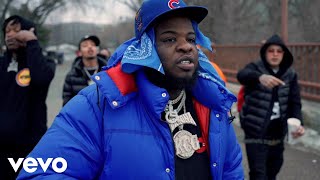
Watch the official JIGGA DAME
music video
Why “Jigga” and “Dame” Matter
The title is key to understanding the song. “Jigga” refers to Jay-Z, while “Dame” points to Damon Dash, the pair who helped build Roc-A-Fella Records, a label central to late-1990s and 2000s rap business culture. Those references are widely documented in music history coverage from outlets like The New York Times and Rolling Stone.
Interpretation: Maxo is using those names as symbols, not just shout-outs. Jay-Z represents growth from hustler to mogul. Dame represents dealmaking, ownership, and bold confidence. Together, they become a model for how street credibility can turn into executive power.
So when Maxo talks about learning from “Jigga” and splitting millions like “Dame,” they are imagining success as shared power. It is not only about personal wealth. It is about bringing the team along.
A Chorus Built on Dual Identity
The hook is where the song’s meaning gets sharpest. In a few lines, Maxo ties together their former life, present fame, and future ambitions. They mention serving on a “murder block,” then jump to yachts and private planes. That leap is the song in miniature.
The phrase he give me game
matters because it shifts the song from bragging to learning. Maxo is not acting like success appeared by luck. They present it as knowledge passed down, almost like an apprenticeship.
Interpretation: The chorus suggests that real elevation is not just getting rich. It is learning how to stay rich, move smart, and protect the circle.
Pop Culture as a Language of Power
One striking part of the song is how often Maxo uses celebrity and brand references. They mention names tied to fashion, scandal, sports, and rap. This is not just for punchlines.
These references do three things:
- They show how deeply media culture shapes modern rap storytelling.
- They compress big ideas into quick images.
- They blur the line between street myth and celebrity reality.
For example, lines like put niggas on TV
turn violence into a dark joke about fame and exposure. Elsewhere, references to luxury brands and famous figures make success feel visible, almost cinematic.
This approach fits Maxo Kream’s style. They often rap with dense detail, local slang, and vivid snapshots, a quality noted in profiles by outlets like Pitchfork and Complex.
Family, Loyalty, and the Cost of the Climb
The song gets deeper when it leaves pure flexing behind. One of its most revealing turns comes near the end, when Maxo looks back on drug use, living with grandparents, and conflict at home. That section grounds the song emotionally.
When they say same bros
, the point is loyalty. Even after the money changed, they want listeners to know the core circle did not. That claim matters because rap success stories often carry a fear of betrayal.
Another crucial idea is family responsibility. By the end, Maxo presents themselves as someone who once worried their mother but now helps carry the family. That change gives the song a moral center. The money is not just decorative. It is tied to survival, pride, and duty.
How the Sound Supports the Message
Even without diving into every technical credit, the production style matters. The beat feels heavy, sleek, and spacious, which gives Maxo room to rap in a calm, commanding way. That controlled delivery helps sell the theme of growth.
Rather than sounding frantic, the song sounds settled in its power. The rhythm leaves space for punchlines to land, and that spacing makes every status marker feel deliberate. A rushed beat would have changed the meaning. This one sounds like someone who has already arrived but still remembers the chase.
The Best Way to Read the Song
The best reading of the meaning of JIGGA DAME Maxo Kream is that it is both a boast and a bridge. It boasts about money, influence, and access. But it also bridges the gap between street economics and rap entrepreneurship.
Interpretation: The song argues that the same instincts once used to survive can be redirected into business success. That does not erase the danger of the past. It simply reframes that past as part of a larger story about transformation.
In that sense, “JIGGA DAME” is not shallow at all. It is a hard-edged success anthem that keeps one eye on trauma and the other on ownership.
Final Take
Maxo Kream uses this track to show that wealth means more when listeners understand the road behind it. The song’s flashiest lines hit hardest because they stand next to memories of hunger, crime, and family tension.
That is why the track sticks. They are not only telling listeners that they made it. They are explaining what “making it” had to overcome.
Disclaimer: This article offers interpretation based on the lyrics, title references, and publicly known artist context. Song meaning can vary from listener to listener.









