Why Maxwell’s “Bad Habits” Feels So Dangerous
The meaning of Bad Habits Maxwell comes down to a simple but unsettling idea: desire can feel thrilling even when it is clearly harmful. In this song, they present love less as comfort and more as compulsion. The relationship sounds physical, obsessive, and hard to stop, even when the singer knows it is taking something from him.
"Bad Habits" - Maxwell
Lately, lady
Make me queasy
Loading lyrics...
Unable to load lyrics
We're unable to display the lyrics at this time. Please try again later.
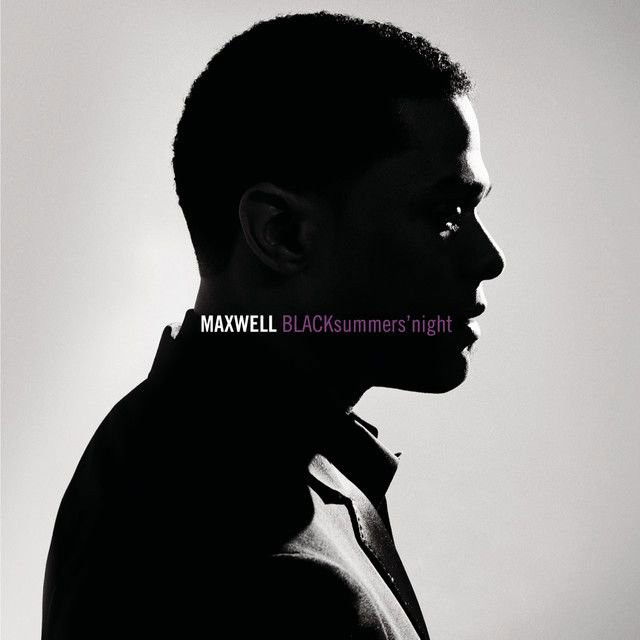
Released on June 9, 2009, as the second single from BLACKsummers'night, “Bad Habits” became one of Maxwell’s key comeback-era songs. It later reached No. 1 on Billboard’s Adult R&B chart, a run notable enough that, according to Songfacts, it helped Maxwell hold the top two spots there with “Pretty Wings” just below it.
The Core Meaning Hiding in Plain Sight
At its center, the song is about being hooked on a person who feels irresistible and damaging at the same time. The title gives away the main metaphor: this romance is treated like an addiction. When the singer says you’re my bad habit
, he is not calling the person merely flawed. He is saying the bond has become repetitive, unhealthy, and deeply ingrained.
That idea appears throughout the song. The narrator feels pulled in by chemistry, then immediately hints at guilt, chaos, and emotional fallout. He keeps returning to the same cycle, almost as if he already knows the outcome but cannot stop himself.
Interpretation: The song is not just about lust. It is about self-awareness without self-control. That tension is what makes it feel mature and uneasy rather than simply seductive.

Watch the official Bad Habits
music video
Desire, Shame, and the Need for Forgiveness
One of the song’s smartest moves is how it mixes hunger with apology. The repeated question Will you forgive me?
suggests that the singer knows this relationship leaves damage behind. He is not describing clean romance. He is admitting that pleasure and regret are arriving together.
That matters because it changes the emotional center of the track. If this were only a sexy slow jam, the focus would stay on attraction. Instead, Maxwell adds conscience. The narrator seems trapped between what he wants in the moment and what he knows it costs afterward.
This is the highest cost
Will you forgive me?
Those lines frame the affair as expensive in a moral and emotional sense. The “cost” is not money. It is peace, balance, maybe even dignity.
Who Is Speaking in “Bad Habits”?
The song uses a first-person voice, which makes the obsession feel immediate. The singer is not observing someone else’s downfall. He is living inside it. That is why phrases like I can’t control the feeling
hit so hard: they sound less like bragging and more like surrender.
The person he addresses is both lover and temptation. She is desired, but she is also presented as a force that weakens his judgment. That does not mean the song blames her for everything. Just as often, it shows the narrator cooperating with his own undoing.
Interpretation: A key part of the meaning of Bad Habits Maxwell is that the singer is aware of the trap and still walks into it. The conflict is internal as much as romantic.
How the Lyrics Build the Addiction Metaphor
Maxwell uses the language of physical craving all through the song. He describes the woman as something he aches for when sober, and he compares being together to an overdose
. Those are not casual word choices. They turn romance into a habit that behaves like a substance.
A few patterns stand out:
- The body reacts before the mind can intervene.
- Pleasure is intense but unstable.
- Repetition makes escape harder.
- Regret appears, but too late.
The line about being unable to come down pushes the idea even further. The relationship acts like a high, and that high has consequences. In that sense, the song belongs to a long R&B tradition of comparing love to intoxication, but Maxwell makes it rougher and more conflicted than usual.
Why the Sound Matters So Much
The production is crucial to the song’s meaning. “Bad Habits” was written by Maxwell and Hod David, and produced by MUSZE and Hod David. Factually, it sits in the R&B and soul lane, but it does not feel soft or dreamy for long. Instead, the groove is tense, pulsing, and slightly claustrophobic.
The rhythm section keeps pushing forward, while Maxwell’s voice slides between control and strain. That contrast mirrors the lyric’s conflict. He sounds seduced by the moment, yet pressured by it too. The sensuality is there, but so is agitation.
Songfacts quotes Maxwell calling it his “saltiest and most aggressive record.” That description fits. Even when the arrangement is sleek, there is friction inside it. The song does not float. It stalks.
A Song About Paradox, Not Simple Romance
Maxwell also told MTV News, as quoted by Songfacts, that he was inspired by “paradox” and “double standards.” That comment helps explain why the song feels full of opposites. It is tender and harsh, intimate and destructive, empowering and humiliating.
This is why “Bad Habits” stays interesting. It never turns the relationship into a neat lesson. The singer is not fully victim, and he is not fully in control either. He desires the very thing that drains him.
Final Take
The meaning of Bad Habits Maxwell is really about surrendering to a love that feels too good to resist and too costly to keep. Its power comes from the clash between sensual pleasure, emotional guilt, and the repeated failure to break the cycle.
That is an interpretation based on the lyrics, known song context, and production choices. As Maxwell himself has suggested, listeners may still find their own meaning in it.








