Why 'Miserable at Best' Still Hurts
If someone wants the meaning of Miserable At Best Mayday Parade, the short answer is simple: it is a breakup song about knowing a relationship is over while still being emotionally trapped inside it. The narrator tries to sound calm and realistic, but the song keeps exposing jealousy, longing, and the fear of being replaced.
"Miserable At Best" - Mayday Parade
You're trying your hardest
And the hardest part is
Loading lyrics...
Unable to load lyrics
We're unable to display the lyrics at this time. Please try again later.
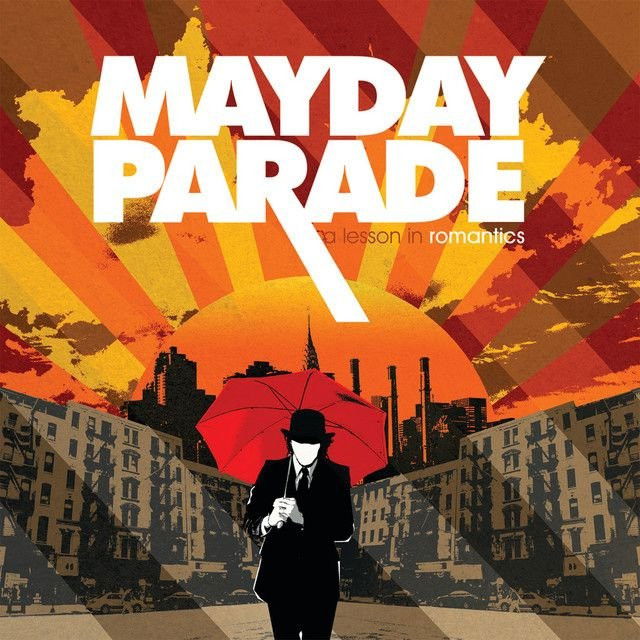
Mayday Parade released the track on A Lesson in Romantics in 2007. It is widely described as a piano-driven emo ballad, with Derek Sanders on lead vocals and piano and Jason Lancaster sharing vocals; it was produced by Zack Odom and Kenneth Mount and later earned Gold certification from the RIAA in the U.S. (Wikipedia). Those facts matter because the song’s bare arrangement and duet-like pain are a big part of why it still connects.
A breakup song about unfinished acceptance
At its core, the song is not really about the moment of a breakup. It is about the period after, when one person knows the relationship has changed but cannot stop replaying it. The narrator remembers shared places, shared nights, and the former partner’s emotional weight in their life.
Even early on, the song frames loss as something they understand in theory but cannot accept in practice. A phrase like letting go
sounds mature, but the rest of the song shows how hard that really is. They keep circling back to memory, distance, and comparison.
Interpretation: The title is the key contradiction. When the narrator admits they can survive, they are not claiming strength. They are admitting a weak kind of survival. Life goes on, but only as miserable at best
.

Watch the official Miserable At Best
music video
Why the direct address feels so personal
One reason the song lands so hard is that it opens by naming Katy, don’t cry
. That direct address makes the scene feel less like a generic heartbreak anthem and more like a real conversation. According to Wikipedia, Derek Sanders later said using the person’s name felt very personal, though he did not regret it.
That detail changes the tone. Instead of sounding poetic or distant, the song sounds immediate and human. They are not singing about heartbreak in general. They are singing to someone specific.
The emotional triangle in the chorus
The chorus sharpens the pain by imagining the ex with someone else. The line about not pretending she is alone sets the emotional stakes right away. Then the narrator pictures the other man stepping in, building a scene of romantic replacement.
Here, jealousy is not loud or angry. It is helpless. The song never sounds like revenge. It sounds like someone watching themselves lose.
Let's not pretend like you're alone tonight
Without you, I'll be miserable at best
That short turn captures the whole message: they know reality, but knowing it does not lessen the hurt.
How the verses build the song’s central pain
The verses keep expanding the breakup into a full emotional world. There is distance, shown through travel and miles. There is physical strain, shown through the idea that even breathing feels difficult. And there is insecurity, especially when the narrator says they know they are good for something
but have not found it yet.
That line matters because it widens the song beyond romance. The breakup has damaged their self-worth. They are not just missing a person; they are struggling to understand their own value after being left behind.
Another striking image comes when sleep disappears and imagination takes over. The narrator cannot rest because they picture intimacy between their ex and someone new. That is a common breakup experience, and the song expresses it in a way that feels immediate without becoming over-written.
The sound is half the story
The production helps explain the meaning of Miserable At Best Mayday Parade just as much as the words do. The song moves at a slow pace, around 72 BPM in D major according to the summary cited on Wikipedia. That combination gives it a strange emotional effect: the key is not dark in a traditional sense, but the tempo and delivery make it feel drained and heavy.
The piano is crucial. It keeps the arrangement exposed, with plenty of space around the vocals. That space makes every pause feel like hesitation. It sounds like someone trying to hold themselves together while speaking.
The split vocals deepen that feeling. Sanders and Lancaster do not sound like a dramatic duet in the usual sense. Instead, they feel like two sides of the same heartbreak: one voice raw and pleading, the other resigned and reflective. That balance is a big reason the song became one of the band’s signature ballads.
Why the song became a fan favorite
Critics and fans have long treated this track as one of Mayday Parade’s defining emotional songs. MTV called it a gut-wrenching break-up ballad
, and Alternative Press ranked it at the top of a list of the band’s best songs, praising its heartfelt power (both via Wikipedia).
That reception makes sense because the song captures a feeling many breakup songs miss. It does not pretend heartbreak is noble, clean, or empowering. It shows how people can be self-aware and still unable to move on.
A final reading of the title
Interpretation: The title may be the song’s most honest line. It rejects dramatic all-or-nothing language. The narrator is not saying life ends after love. They are saying life continues in a reduced form. That is sadder, and more believable.
In that way, the song remains powerful because it treats heartbreak as a long echo, not a single event. It is about the gap between what they know and what they feel.
That is why the song still hits: it understands that getting through a breakup is not the same as getting over it.
Disclaimer: This interpretation is based on the lyrics, recording context, and documented background, but song meaning can remain personal and open to different readings.









