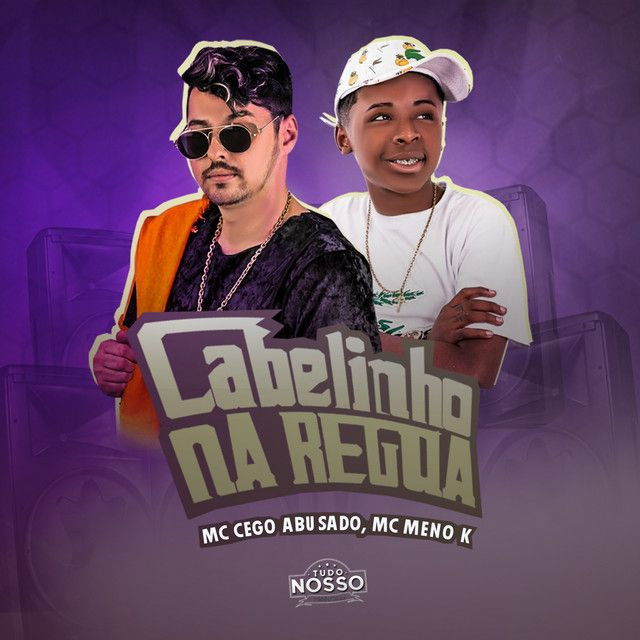
Why "Cabelinho na Regua" Hits So Hard
The meaning of Cabelinho na Regua MC Cego Abusado, MC Meno K starts with a simple scene: they are getting ready for a baile, dressed right, feeling confident, and inviting others into that world. But the song is not just about a haircut and a party. It is about how style, swagger, and local identity become social currency in Brazilian funk.
"Cabelinho na Regua" - MC Cego Abusado, MC Meno K
'Tá ligado, né, pai?
Hoje é dia de baile
Loading lyrics...
Unable to load lyrics
We're unable to display the lyrics at this time. Please try again later.
Rather than telling a deep narrative with twists, the track works through repetition and attitude. It builds a mood of anticipation, sex appeal, and neighborhood presence. That is why the hook lands: it turns appearance into power.
A Night Out Turned Into a Statement
At the most direct level, the song describes preparation for a party night. When they mention Hoje é dia de baile
, they frame the entire track around the excitement of the event. Everything that follows grows from that setup: clothes, movement, flirting, drinking, and showing who belongs.
The phrase Cabelinho na régua
is key. In Brazilian slang, it suggests a haircut lined up neatly, a polished look that signals care and confidence. In the song, that detail is not trivial. It stands for being ready to be seen.
Interpretation: the fresh look matters because the baile is also a stage. They are not only going out; they are presenting a version of themselves that fits the codes of the scene.

Watch the official Cabelinho na Regua
music video
Image, Desire, and Social Performance
The verses keep tying physical style to attraction. A soccer jersey, drinks in hand, and a controlled, swaggering entrance all work together. When the track says Tá bonitão
, it does more than compliment appearance. It reinforces the idea that beauty here is performative, public, and tied to confidence.
That is where the song’s sexual energy comes in. Much of the lyric content focuses on flirtation and explicit desire, but those details are part of a larger pattern. Pleasure is treated as proof of status. They are not shy about wanting attention, and they connect that attention to how they look, where they are, and how they move.
For U.S. listeners, this may sound similar to club rap in which fashion and charisma are inseparable from desire. The difference is that Brazilian funk often makes those signals even more communal and chant-ready.
The Local Scene Gives the Song Its Real Weight
One reason the record feels vivid is its place-based detail. The mention of Rocinha
anchors the song in a real social landscape. Rocinha is one of Rio de Janeiro’s most well-known favelas, and references like that make the track feel rooted rather than generic. The song is speaking from a scene, not just about one.
There are also coded references to who is “in line,” who is equipped, and who gets to join the action. Some of that language carries tough or confrontational undertones. In funk, those hints can signal hierarchy, belonging, and danger without slowing the party energy.
Interpretation: this is one of the song’s tensions. It sounds carefree, but it also suggests that nightlife is organized by local rules. Looking good is one part of entry; knowing the scene is another.
How the Hook Turns Style Into Meaning
The chorus is catchy because it is so compact. It repeats the core image until that image becomes an identity. A lined-up haircut and team shirt are enough to sketch a whole persona.
Hoje é dia de baile
Cabelinho na régua
Camisa de time
That short sequence captures the song’s logic: occasion, grooming, uniform. First comes the event, then the self-styling, then the social costume. Together, they create an instantly recognizable funk archetype.
This is why the meaning of Cabelinho na Regua MC Cego Abusado, MC Meno K is bigger than vanity. The hook says that in this world, appearance is not superficial. It is how they announce readiness, desirability, and affiliation.
Sound First, Story Second
Production matters a lot here. The lyrics are blunt and repetitive, but that is part of the design. Funk tracks often rely on loops, shouted tags, beat drops, and repeated phrases that are easy to chant in a crowd. The mention of Ryan no beat
adds to that producer-centered energy, emphasizing beat identity as part of the record’s appeal.
The likely goal is not lyrical complexity. It is bodily reaction. The rhythm pushes the listener toward movement, while the repeated lines create a call-and-response feel. That musical setup makes the song’s meaning more physical than reflective.
Interpretation: they are using sound to make confidence contagious. Even listeners who do not catch every slang term can understand the message through tone, repetition, and momentum.
A Song About Confidence With Rough Edges
There is a celebratory side to the track, but it is not soft or polished for outsiders. The language is raw, sexual, and aggressive in places. That roughness is part of its authenticity. The song does not try to clean up the nightlife world it portrays.
At the same time, that can limit the emotional range. It is not a vulnerable song. It stays close to surface pleasures: attraction, intoxication, and reputation. Still, that surface is the point. They are documenting a moment where looking sharp and being seen feels like enough.
Final Read on the Track
In the end, the meaning of Cabelinho na Regua MC Cego Abusado, MC Meno K is about more than party talk. It shows how baile funk turns grooming, clothing, flirtation, and neighborhood pride into a public performance of self. The fresh haircut is a symbol of control, readiness, and image.
For listeners, the song works best when heard as a scene-setter rather than a confession. It captures the ritual of going out and the social codes that come with it. That is why such a small visual detail can carry the whole track.
Disclaimer: This interpretation is based on the lyrics provided and common funk slang usage. Some phrases may carry local meanings that shift by region, scene, or artist intent.







