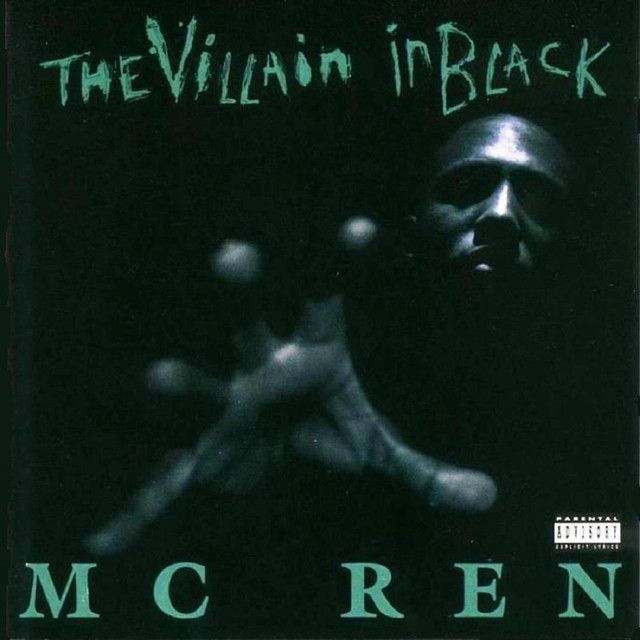
Why MC Ren’s “Keep It Real” Still Hits
The meaning of Keep It Real MC Ren starts with a simple idea: authenticity is not a slogan here. It is a test. MC Ren turns an ordinary day in Compton into a statement about who is honest, who is pretending, and who still has love for the neighborhood even while criticizing it.
"Keep It Real" - MC Ren
That real shit nigga'
Living room packed, laid back on the flow
Loading lyrics...
Unable to load lyrics
We're unable to display the lyrics at this time. Please try again later.
As a solo artist after N.W.A., Ren had already built a reputation for hard-edged West Coast rap. Reference pages on their catalog place Keep It Real
in the run between earlier solo releases and later singles like Ruthless for Life
(Wikipedia). That context matters because this track sounds like an artist protecting credibility at a time when rap authenticity was constantly being tested.
A Street Report, Not Just a Boast
At first listen, the song can sound like a standard toughness anthem. But the verses do more than brag. Ren strings together snapshots: a packed living room, friends on porches, people circling blocks, police pressure, helicopters overhead, barbershops, cookouts, and debates about why some neighborhoods are neglected.
That structure makes the song feel observational. Instead of one dramatic plot, they give listeners a block-by-block report. When the song returns to the hook, the point becomes clearer: keep my shit real
is less about ego than about reporting life without dressing it up.
Interpretation: the song argues that “realness” means accuracy. Ren is not trying to make Compton look cleaner, richer, or safer than it is. They also refuse to turn it into a cartoon of violence. The verses hold both affection and frustration at once.
Watch the official Keep It Real
music video
What Ren Sees in Compton
One reason the song lands is its detail. Ren notices things people outside the neighborhood might miss or ignore. They move from casual social scenes to harsher realities without changing tone much, which suggests that all of it belongs to the same daily experience.
A few key images drive the meaning:
- crowded homes and front-porch conversations
- women, hustlers, and drifters moving through public space
- constant police surveillance
- local pride mixed with local pain
- fake outsiders trying to borrow neighborhood status
When Ren points to the helicopter hangin' 'round like a gnat
, the image is vivid and annoyed rather than shocked. Surveillance is treated as normal, which may be the point. It shows how deeply policing is woven into daily life.
The Chorus Draws a Moral Line
The hook is direct: Ren lets fake people know exactly how they feel. In plain terms, the chorus divides the world into two camps. There are those who live honestly and those who hover around real people to steal credibility.
That is why the attack on phonies matters so much. The song is not only saying “this is my neighborhood.” It is also saying, “do not use this neighborhood as a costume.” When Ren mocks people who want to be around them only after the “real” gets performed, the target is clout-chasing before the term existed.
Interpretation: the chorus turns authenticity into an ethical issue. Being fake is not just embarrassing; it is exploitative.
A Critique of Neglect and Performance
The most interesting part of the song may be how it shifts from street images to social criticism. Ren asks why Black neighborhoods stay rundown while white neighborhoods stay clean. That is a sharp turn, but it does not feel random. It connects the local scenes to a bigger system.
They answer that frustration with a call for self-reliance, including the idea to Recycle black dollars
. That line gives the song a political edge. Ren is not simply complaining about the block; they are asking what community power might look like.
Just as important is the criticism of artists who show up, film in Compton, and then disappear. That section attacks selective loyalty. Ren suggests some people want the city’s image, danger, and reputation, but not its ongoing reality.
shoot my video in Compton
then disappear for a year
This is the song’s clearest accusation. It condemns performers who treat the neighborhood like a backdrop, then leave once they have taken what they need.
How the Sound Supports the Message
Even without deep production credits for this specific track in the supplied material, the record clearly works in a mid-1990s West Coast rap lane: heavy drums, steady groove, and a laid-back but firm vocal approach. Ren does not sound frantic. They sound settled, which helps the song feel more trustworthy.
That matters for the meaning of Keep It Real MC Ren. A calmer flow makes the street scenes sound lived-in, not exaggerated. The beat gives room for detail, and Ren uses that space to stack images instead of racing through punchlines.
Their delivery also hardens whenever the verses turn toward phonies or exploitation. Phrases like don't give a damn
and that's real
hit like stamps of approval or rejection. The performance itself becomes part of the argument.
Why the Song Still Connects
Today, the song still feels relevant because its target is timeless: people who borrow struggle for style, people who confuse image with truth, and systems that leave neighborhoods behind while judging them.
Ren’s answer is not polished optimism. It is tougher than that. They show affection for the community, anger at its conditions, and impatience with anyone faking attachment to it. That combination gives the song its staying power.
Final Take
The meaning of Keep It Real MC Ren is about honesty with place, people, and self. MC Ren uses everyday scenes from Compton to say that being real means telling the full story: the pride, the boredom, the danger, the hypocrisy, and the hope for something better.
This interpretation is based on the lyrics provided and available career context; like any song reading, other listeners may hear different layers.







