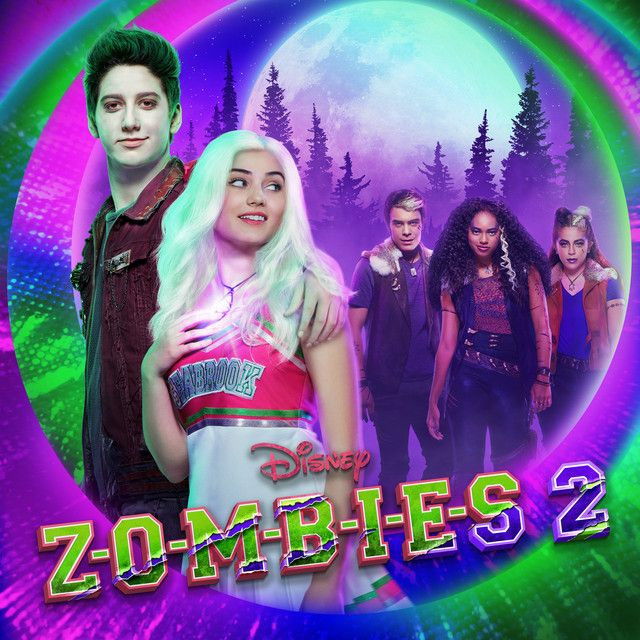
What 'Call to the Wild' Says About Belonging
The meaning of Call to the Wild Meg Donnelly, Chandler Kinney, Pearce Joza comes down to a simple but powerful idea: identity becomes stronger when it is shared. The song is built around wolves, prophecy, and Alpha status, but its emotional core is about finding where they belong.
"Call to the Wild" - Meg Donnelly, Chandler Kinney, Pearce Joza
Pull back the veil of mystery
What's written on the cave is prophesy
Loading lyrics...
Unable to load lyrics
We're unable to display the lyrics at this time. Please try again later.
Because it is tied to a Disney werewolf story world, the track works on two levels. On the surface, it pushes the plot forward with talk of caves, destiny, and pack hierarchy. Under that, it becomes a pop anthem about community, trust, and stepping into who they are meant to be.
A Pack Song About More Than Wolves
Early lines point to a larger history. References to mystery, prophecy, and a hidden Alpha suggest that the characters are trying to understand their origins. When the lyrics mention history
and destiny
, the song frames their struggle as something bigger than a single moment.
That matters because the song is not just asking who leads. It is asking who they really are. The phrase call to the wild
sounds like instinct, but here it also means truth. The “wild” is the inner pull toward one’s real self.
Interpretation: The song treats identity as inherited and chosen at the same time. The characters may be tied to prophecy, but they still have to answer that call for themselves.

Watch the official Call to the Wild
music video
The Chorus Turns Instinct Into Unity
The chorus is the key to the whole song. Rather than saying they only hear the call, they declare we are the call
. That shift is important. It changes the idea from passive fate into active purpose.
In plain terms, the song says belonging is not about waiting for approval. It comes from recognizing a bond that already exists. The repeated hook also gives the song a chant-like quality, which makes it feel less like a private thought and more like a group vow.
This is why the chorus lands so hard in a soundtrack setting. It is built for movement, for multiple voices, and for a scene where characters stop acting like separate outsiders and begin acting like a pack.
Conflict Hides Inside the Welcome
The second verse brings the warmest vision of community. It sees not chaos but a real community
, one where difference and unity can exist together. That is one of the song’s clearest ideas: individuality does not have to threaten belonging.
Then the song introduces friction. A spoken interruption questions the leader figure and warns that trust must be earned. The line about a cheerleader not being an Alpha gives the song a social edge. Status, image, and old assumptions get in the way of acceptance.
That moment keeps the song from becoming too easy. It admits that families and communities do not form by magic. They are tested. The question is whether the group will stay divided by labels or move toward mutual trust.
Family Versus Outsider Thinking
One of the strongest lines in the song asks whether they are just strays or a family. That is the emotional choice at the center of the track. It contrasts loneliness with belonging in the most direct way possible.
The wolf imagery helps because wolves already carry meanings people recognize: pack loyalty, instinct, protection, and hierarchy. Here, those ideas are softened into something welcoming. The song does not glorify danger as much as solidarity.
Interpretation: The wolves can be read as a metaphor for any group of young people trying to build identity together. In that reading, the track becomes a school-story anthem about fitting in without losing individuality.
How the Sound Carries the Message
Musically, the song leans into bright, high-energy pop. Its beat is steady and danceable, and the vocal arrangement favors ensemble force over introspective subtlety. That matters because the message is collective.
The writing credits provided in the prompt list Adam Schmalholz, Antonina Armato, Thomas Sturges, and Tim James. Their structure here favors big repetition, quick dramatic setups, and a chorus that can be shouted back. That kind of construction is ideal for a soundtrack number meant to communicate story and emotion fast.
The spoken break also does smart character work. It briefly interrupts the musical lift with tension, then throws the song back into the chorus. That return makes the hook feel earned, as if unity has to survive doubt before it can sound convincing.
Why the Song Connects So Easily
Part of the song’s appeal is how clearly it speaks. It does not bury its themes under abstract poetry. Instead, it asks direct questions about trust, identity, and family. That makes it accessible for younger listeners while still giving older fans something to unpack.
For listeners in the United States, especially those who know Disney musical storytelling, this kind of song feels familiar in the best way. It is story-first, energetic, and emotionally legible. They do not need deep lore to understand what it is saying.
The Big Takeaway
The meaning of Call to the Wild Meg Donnelly, Chandler Kinney, Pearce Joza is ultimately about hearing an inner truth and answering it together. Its world is full of prophecy and pack politics, but its heart is simple: they stop being strangers when they decide to become family.
That is why the song feels bigger than its plot function. It turns a werewolf anthem into a message about belonging, courage, and shared identity.
Disclaimer: This interpretation is based on the lyrics provided and general soundtrack context. Meaning can vary by listener and scene.








