Why 'Someday (Reprise)' Feels So Hopeful
The meaning of Someday (Reprise) Milo Manheim, Meg Donnelly comes down to one clear idea: two people believe their bond can survive a world that keeps them apart. Even in its short form, the song carries longing, courage, and a quiet promise that what feels impossible now may become normal later.
"Someday (Reprise)" - Milo Manheim, Meg Donnelly
And I'm living on the darker side
Ooh, I had a feeling
Loading lyrics...
Unable to load lyrics
We're unable to display the lyrics at this time. Please try again later.
Because this is a reprise, it works like an emotional return. It does not build a brand-new story so much as sharpen the song's biggest question: can love cross the line between different worlds?
Two Worlds, One Connection
The opening contrast tells listeners almost everything they need to know. One person is from a perfect paradise
, while the other lives on the darker side
. Paraphrased, the song frames the pair as coming from opposite social or emotional spaces.
That difference matters because it creates tension before the romance even fully speaks. They are not just crushing on each other. They are trying to imagine a future that pushes against the rules around them.
Interpretation: The split between paradise and darkness can suggest class, community, identity, or family expectation. The lyric does not lock itself to one meaning, which is why it feels widely relatable.

Watch the official Someday (Reprise)
music video
The Reprise Turns Attraction Into Commitment
Early lines describe the spark of recognition. When one person says the other caught my eye
, the song shows attraction as immediate, but not shallow. It quickly moves from noticing someone to feeling changed by them.
That shift is important. The emotional center is not just romance at first sight. It is the feeling that being truly seen can bring someone to life again. The phrase came to life
suggests that connection wakes something up inside them.
In simple terms, the reprise says: once they know each other for real, the dream becomes harder to ignore.
Why the Chorus Carries the Whole Meaning
The chorus is where the song's hope becomes plain. The repeated word Someday
is not passive. It sounds like a vow. They are not saying the world is fair now; they are saying they will keep believing anyway.
The key emotional jump comes from the move between ordinary and extraordinary. The song asks whether a relationship that seems unusual today could one day be accepted as everyday life. That is why the hook feels both romantic and social.
Out in the broad daylight
We're gonna be someday
Paraphrased, those lines imagine a future where they do not have to hide. Daylight stands for openness, safety, and public acceptance. The promise of "someday" turns private love into a public hope.
A Small Song With Big Stakes
The phrase about people laughing raises the pressure. It hints that others may judge them, mock them, or dismiss their relationship. The song does not spend long on that conflict, but it does not need to. A single image of outside laughter is enough to show the risk.
What makes the reprise moving is how calmly it answers that risk. Instead of fighting back with anger, it answers with faith. They do not claim victory yet. They simply refuse to let ridicule define the future.
Interpretation: That emotional choice gives the song a gentle strength. It is not rebellious in a loud way. It is brave in a steady way.
How Milo Manheim and Meg Donnelly Sell the Emotion
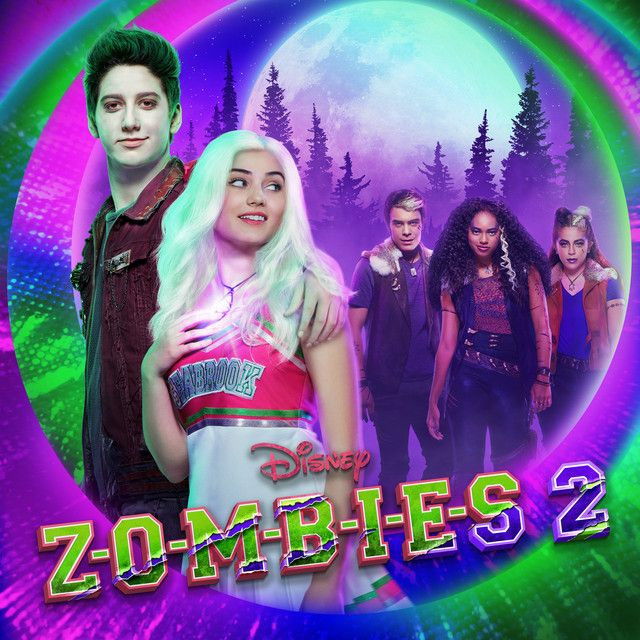
Milo Manheim and Meg Donnelly are closely associated with Zombies, the Disney franchise where this song appears, a series built around division, belonging, and unity. That context shapes how many listeners hear the reprise: not just as a love song, but as part of a bigger story about crossing boundaries.
Their duet dynamic matters too. The song works because both voices sound young, sincere, and balanced. Rather than one overpowering the other, they meet in the middle, which mirrors the message. Two sides are not erased; they are brought together.
How the Sound Supports the Lyrics
Even without dense writing, the reprise can feel powerful because of its musical design. Reprises usually strip a song to its emotional core, and that is the case here. The melody is memorable, the pacing is direct, and the arrangement leaves room for the hook to land.
That simplicity fits the meaning. A giant production would distract from the vulnerability. Instead, the song lets the repeated promise do the work. The result is a soft anthem: intimate enough to feel personal, but broad enough to feel universal.
The credited writers provided here are Dustin Brian Burnett and Paula J. Winger. Their writing keeps the language accessible, which helps the emotional message reach a younger audience without sounding childish.
Why the Song Still Connects
Part of the reason this reprise stays with listeners is that almost everyone knows what it feels like to want a better future before they can prove it exists. The song puts that feeling into simple words. Love is the surface story, but hope is the deeper one.
For some, the track may sound like a romance across social lines. For others, it may reflect friendship, identity, or the wish to be accepted in public exactly as they are. Both readings fit the text.
The Lasting Takeaway
The meaning of Someday (Reprise) Milo Manheim, Meg Donnelly is ultimately about believing in a future that the present has not made easy. It turns difference into tension, tension into hope, and hope into a promise.
That is why the reprise feels so effective: it says very little, but what it says lands. They may not belong together in the world's eyes yet, but they can already imagine the day when they do.
Disclaimer: This interpretation is based on the lyrics provided and the song's broader narrative context. Meaning in music can remain open, and different listeners may hear it differently.









