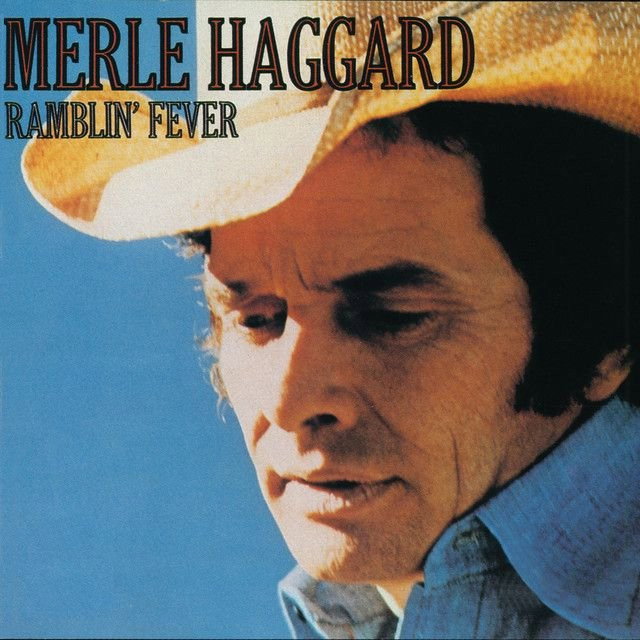
Why 'Ramblin' Fever' Refuses to Sit Still
The meaning of Ramblin' Fever Merle Haggard starts with a simple idea: some people do not just like the road, they feel claimed by it. In this song, Haggard presents movement as instinct, habit, and fate all at once.
"Ramblin' Fever" - Merle Haggard
My ears can't stand to hear the same old song
And I don't leave the highway long enough to bog down in the mud
Loading lyrics...
Unable to load lyrics
We're unable to display the lyrics at this time. Please try again later.
Released in 1977 as the title track from his first MCA album, the single reached No. 2 on the country chart, while the album hit No. 5 on Billboard's country albums chart, according to the available chart history and album data in major reference sources. That matters because the song arrived during a moment of change in Haggard's career, after a long and successful run with Capitol Records.
The Heart of the Song Is Restlessness
At its core, the song is about someone who cannot stay in one place long enough to become rooted. The opening images make that clear. When the singer says his hat does not stay on one nail and he cannot stand the same old song, Haggard sketches a person who resists routine before the chorus even begins.
The key phrase is ramblin' fever
. He describes it like an illness, but not in a tragic way. It feels more like a lifelong condition that defines who he is. The chorus pushes that point with can't be measured by degrees
and no kind of cure
. In plain terms, the singer is saying this urge to move is beyond reason and beyond fixing.
Interpretation: The "fever" metaphor turns freedom into something physical. Instead of making the road sound glamorous, Haggard makes it sound biological, as if the body itself rejects stillness.
Watch the official Ramblin' Fever
music video
A Narrator Who Chooses the Road Over Home
One reason the song works so well is that it does not pretend home has no appeal. In the middle section, the narrator imagines comfort, affection, coffee, and easy conversation in the morning. That detail matters because it keeps the song from becoming a cartoon about macho independence.
He can picture softness and intimacy. He simply does not believe he can live there for long.
That is why the line about not letting a woman tie him down feels important. It is less a boast than a confession. He knows attachment asks for consistency, and he knows he is not built to give it. Even when comfort is available, the road wins.
The Song's Story in Four Beats
- The singer introduces himself as someone allergic to sameness.
- He traces that instinct back to hearing a train whistle, a classic country image of departure.
- He admits domestic life has its temptations.
- He ends by choosing motion all the way to death.
That final idea is the darkest in the song. When he imagines dying by the highway, Haggard takes a casual drifter image and pushes it toward destiny.
Highway Symbols and Country Tradition
The song uses a set of old country symbols, but it uses them efficiently. The highway stands for freedom, but also distance from responsibility. The whistle suggests early longing, the kind that starts young and never leaves. Mud and nails represent the opposite: being stuck, fixed, anchored.
A short stretch of lyric shows this clearly:
My hat don't hang
on the same nail
too long
That image says more than a long explanation could. He does not just leave places; he avoids attachment before it fully forms.
Interpretation: The song sits in a long line of country music about trains, roads, and escape. But Haggard sharpens the theme by making rambling sound less romantic than necessary. This is not travel for pleasure alone. It is compulsion.
How Merle Haggard's Life Adds Meaning
Context helps explain why the song felt natural coming from Haggard. By 1977, he was already one of country music's biggest stars, with a long string of hits behind him. Biographer David Cantwell described Haggard in the late 1970s as especially restless, which fits the spirit of this song.
The track also came during a transition. The Ramblin' Fever album was Haggard's first for MCA after years with Capitol, and the album was produced by Ken Nelson and Hank Cochran. That career shift gives the song extra weight. A tune about refusing to stay put landed just as Haggard himself was entering a new label era.
Haggard later said he wrote the song one afternoon at Leona Williams' house and did not fully recall what caused it. That brief comment actually suits the song well. It sounds instinctive, as though it came from a familiar feeling rather than a planned concept.
The Sound Keeps It Moving
Musically, the song supports its message with a firm, forward-driving country groove. The arrangement is clean and direct, led by guitars, steady rhythm, and Haggard's vocal, which sounds relaxed but certain. There is no lush drama here. The performance moves like a vehicle already in gear.
That matters to the meaning of Ramblin' Fever Merle Haggard because the sound never settles into a dreamy ballad mood. Instead, it keeps nudging ahead. The singer does not seem torn apart by his choice. He sounds like someone who has already accepted it.
Interpretation: The lack of big emotional theatrics may be the point. Haggard delivers the song as a statement of character, not a meltdown. That calmness makes the restlessness feel even deeper.
Why the Chorus Still Connects
The chorus is memorable because it reduces a whole worldview to one phrase: in my blood
. That line turns wanderlust into inheritance. It suggests the singer is not making excuses so much as identifying his nature.
For listeners, that idea can reach beyond literal travel. They may hear the song as being about any inner drive that resists ordinary stability: ambition, loneliness, pride, or the fear of being pinned down.
The Lasting Meaning
In the end, "Ramblin' Fever" is about freedom with a cost. It celebrates the open road, but it also admits that constant motion can keep love, rest, and belonging just out of reach. That tension is what gives the song its staying power.
For many listeners, the meaning of Ramblin' Fever Merle Haggard is not just that the singer loves to roam. It is that he cannot imagine being anyone else.
Disclaimer: This article offers an interpretation of the song based on its lyrics, recording context, and public sources. As with any song, listeners may hear its meaning differently.







