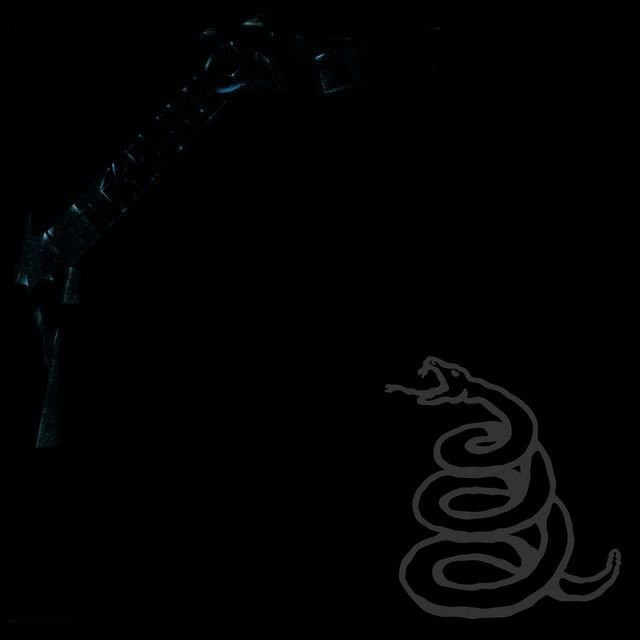
Don't Tread On Me by Metallica
The warning at the heart of the song
The meaning of Don't Tread On Me Metallica starts with a simple idea: do not mistake restraint for weakness. On the surface, the song sounds like a battle cry. But underneath that, it is really a warning song. They present a force that does not want conflict, yet promises to hit back if pushed.
"Don't Tread On Me" - Metallica
I said, don't tread on me
Liberty or death, what we so proudly hail
Loading lyrics...
Unable to load lyrics
We're unable to display the lyrics at this time. Please try again later.
That message comes through the title phrase Don't tread on me
, which points to the old American slogan tied to the Gadsden flag and its rattlesnake symbol. The song appeared on Metallica's 1991 self-titled album, usually called The Black Album, and the snake image also connects directly to that album's cover art. Factually, the track was written by James Hetfield and Lars Ulrich, and produced by Bob Rock with Hetfield and Ulrich during the Black Album sessions.
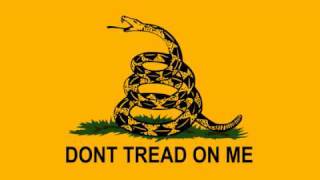
Watch the official Don't Tread On Me
music video
Why the American symbols matter
A Revolutionary image, not just a cool slogan
The lyrics borrow from early American language and iconography. The phrase Liberty or death
clearly echoes Patrick Henry's famous line, while the rattlesnake image links back to Revolutionary-era symbolism and Benjamin Franklin's use of the snake as an American emblem.
Interpretation: Metallica are not just waving a flag here. They use those symbols to build a character for the song: proud, defensive, alert, and dangerous when cornered. The nation becomes a snake, and the snake becomes a mindset.
That is why lines about the tail, the fangs, and watchful eyes all matter. They describe a creature that warns before it strikes. In other words, the song argues for deterrence. The threat is the point. If the warning is respected, violence never has to happen.
A chorus built on deterrence
The chorus sharpens the song's worldview. It includes the phrase Threaten no more
and the line about preparing for war to keep peace. That idea comes from the old Latin saying Si vis pacem, para bellum.
Here is the song's one short multi-line lyric quote:
So be it
Threaten no more
To secure peace
prepare for war
Paraphrased, the chorus says peace is protected by strength, not by passivity. That is the core tension in the song. They are not celebrating war for its own sake. They are presenting readiness as the thing that stops aggression.
Interpretation: This is why some listeners hear the song as patriotic, while others hear it as militaristic. Both reactions make sense. The language is forceful enough to sound like a political statement, even if the band did not frame it that way.
What James Hetfield said about it
James Hetfield later explained that the track was less about formal politics than attitude. In a widely cited interview, he said it was basically a don't mess with us
song and tied it to the snake symbol used on the album. That comment is important because it narrows the intent: they were aiming for defiance, not a policy speech.
Still, audience reaction became part of the song's story. Some critics and fans took it as jingoistic or pro-war, while others saw it as a tough statement about self-defense. That split response tells us a lot about the song's ambiguity. When a band uses national symbols and hard-edged slogans, people often hear their own politics in it.
How the sound carries the message
Heavy, steady, and controlled
Musically, the song supports its theme with discipline more than speed. It moves at a moderate tempo, often described around 104 BPM in 12/8, which gives it a stomping, marching feel instead of a frantic thrash attack.
That matters. A faster song might have sounded reckless. This one sounds deliberate. The guitars are thick and blunt, the drums feel grounded, and Hetfield's vocal is clipped and commanding. The production style of The Black Album is famous for that huge, polished heaviness, and this track uses it to make the warning feel cold and certain.
There is also a clever musical detail in the intro: it references an eight-bar phrase from America from West Side Story. That little borrowing adds another layer of American identity before the main riff even fully lands.
The snake as the song's main symbol
The rattlesnake does almost all the lyrical work. It is defensive, not random. It signals before it attacks. It is watchful. It is tied to American history. And on The Black Album, it is literally part of the band's visual world.
Interpretation: The snake can represent America, but it can also represent Metallica themselves. In that reading, the song becomes a band statement: success has made them bigger, louder, and more visible, but they are still warning outsiders not to cross the line. That interpretation fits Hetfield's later summary of the track as a blunt message of resistance.
Why the song still stands out
“Don't Tread on Me” is not one of Metallica's most emotionally layered songs, but that is part of its design. It aims for force, not vulnerability. It turns history, symbolism, and groove into a clear warning: respect boundaries, or face consequences.
The meaning of Don't Tread On Me Metallica is strongest when heard as a song about deterrence, pride, and the power of being ready. Whether a listener hears national pride, personal defiance, or simple hard-rock swagger depends on what they bring to it.
That flexibility explains why the song has stayed provocative. It is simple on purpose, and that simplicity gives it power.
Disclaimer: This interpretation mixes documented context with informed analysis. As with any song, meaning can vary from listener to listener.








