Why Metallica's "Shoot Me Again" Sounds So Defiant
The meaning of Shoot Me Again Metallica becomes clear fast: this is a song about taking hits, refusing to disappear, and turning pain into stubborn survival. On the surface, its language sounds violent and confrontational. Underneath, the message is simpler. They present a speaker who has been attacked, mocked, or betrayed, yet keeps standing.
"Shoot Me Again" - Metallica
Right, right here, I stay
Stand silent in flames
Loading lyrics...
Unable to load lyrics
We're unable to display the lyrics at this time. Please try again later.
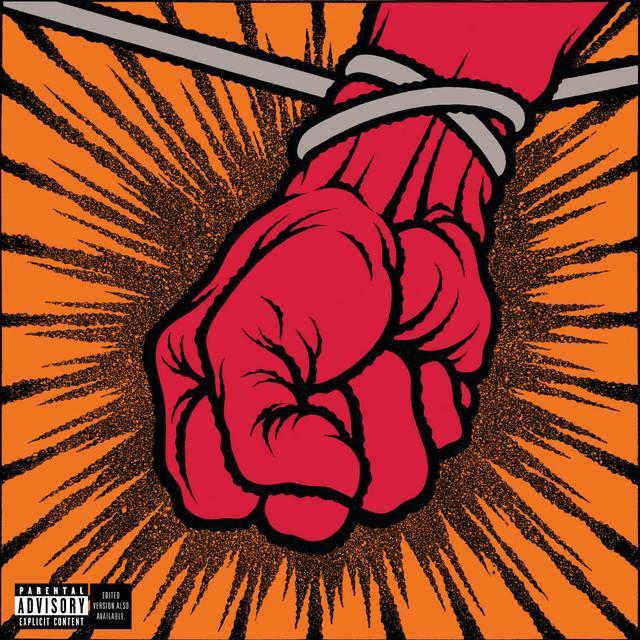
The song appears on St. Anger, Metallica's 2003 album, and that context matters. It came after a tense era for the band, including internal conflict, public scrutiny, and major changes around the group. In that light, "Shoot Me Again" sounds less like a literal threat and more like a raw answer to criticism.
At the Center, It Is About Refusing to Break
The core idea is resistance. Early lines say they will not leave and will stay where they are. When the chorus centers on I ain't dead yet
, the point is not subtle: the attacks have landed, but they have not ended them.
That is why the title phrase works as provocation. By saying Shoot me again
, the speaker almost dares the other side to keep trying. Interpretation: this is bravado used as emotional armor. If they invite another blow, they can act bigger than the damage.
The verses build that idea with images of injury and endurance. The recurring mention of a figurative bullet in the back suggests betrayal as much as pain. A wound from behind often implies they were hurt by someone who should not have attacked them that way.

Watch the official Shoot Me Again
music video
The Song's Conflict Feels Personal and Public
One reason the track lands so harshly is that its enemy stays unnamed. The words could point at critics, former allies, the music press, or even tensions inside Metallica's own story. That vagueness makes the song broader.
A key passage turns the attack back outward:
All the shots I take
I spit back at you
Here the song shifts from pure survival to retaliation. They do not only absorb damage. They answer it. The phrase about spitting it back gives the song its ugliest and most determined image: pain gets rejected, then returned.
Another line, What difference did I make?
, adds a brief crack in the wall. For a moment, the speaker sounds less invincible. Beneath the anger sits doubt. They wonder whether all the punishment, noise, and struggle led to anything meaningful.
How the Lyrics Connect to St. Anger
This song fits the emotional world of St. Anger almost perfectly. The album is famous for sounding raw, tense, and unpolished by design, a choice documented around the album sessions. Rather than polish away the mess, Metallica leaned into it.
That matters for meaning. "Shoot Me Again" is not trying to sound graceful. It is trying to sound cornered, furious, and alive. The repeated phrases, shouted responses, and almost taunting chorus make the song feel like an argument that keeps restarting because nobody has calmed down.
Research on Metallica fan sources consistently describes the track as a defiant response to criticism and abuse, and as the seventh track on St. Anger. Those details line up with what listeners hear: a band speaking from inside conflict, not after it.
Why the Production Makes the Meaning Stronger
The production does a lot of the storytelling. The guitars are thick and grinding rather than elegant. The drums have that famously sharp St. Anger snap, which many listeners either love or hate. In this song, that abrasive tone helps.
It makes the track feel exposed, almost like metal with the skin left off. Instead of a smooth groove, they create friction. That friction mirrors lyrics about taking hits and fighting not to react.
James Hetfield's Vocal Performance
Hetfield does not sing this like a polished anthem. He barks, pushes, and stretches words until they sound irritated. When he leans into short hooks, the effect is less melodic than physical. It feels like someone clenching their jaw.
That delivery supports the line Trying not to shoot back
. The voice itself sounds like restraint is failing. Even when the lyrics speak about holding back, the performance suggests anger is right at the edge.
A Song About Criticism, Betrayal, or Both?
There are at least two strong readings.
Interpretation 1: A Response to Public Attacks
This is the most common reading. The song can be heard as Metallica answering critics and doubters after a rough period. In that sense, every "shot" is an insult, accusation, or headline. The answer is simple: they are still here.
Interpretation 2: A Response to Internal Hurt
There is also a more intimate reading. Images like the bullet in the back and being stranded or sold suggest betrayal by people close to them. That reading fits the album's wider mood, which often deals with trust, rage, and emotional collapse.
The smartest reading may combine both. Public criticism hurts more when private relationships are already damaged. "Shoot Me Again" sounds like a song written from inside that overlap.
Why It Still Stands Out
Even among St. Anger songs, this one is especially blunt. According to Metallica fan documentation, it has never been performed live. That adds a curious note to its legacy. It remains part of the album's angry core, but not a song the band has kept in regular rotation.
That absence may actually suit it. "Shoot Me Again" feels tied to a specific emotional moment: a time when survival itself was the message. The meaning of Shoot Me Again Metallica is not subtle poetry. It is endurance shouted at full volume.
Final Take on the Song's Message
In plain terms, this song is about refusing to vanish after being hit from every side. Its speaker is wounded, bitter, and defensive, but still standing. Interpretation: the real subject is not violence. It is resilience so intense that it comes out sounding like a dare.
That is why the song remains memorable. It turns criticism, betrayal, and doubt into one ugly but powerful statement: they may be damaged, but they are not done.
Disclaimer: This interpretation is based on the lyrics, album context, and documented band history. As with most songs, listeners may hear different meanings.








