Why Metric’s ‘Days of Oblivion’ Feels Like Remembering Wrong
Metric’s “Days of Oblivion” turns a hard question inside out: What if the quiet, numb stretches were the real story all along? For listeners searching for the meaning of Days Of Oblivion Metric lays out, this track argues that overlooked days—the ones that felt empty—were actually decisive.
"Days Of Oblivion" - Metric
All the stuff from way back when that's coming up don't self destruct
You don't have to call for the wrecking ball
Loading lyrics...
Unable to load lyrics
We're unable to display the lyrics at this time. Please try again later.
What This Song Is Really Saying About Time
The chorus pivots the whole frame with the phrase it turns out these were the days
. Instead of chasing only the peaks, they point to the in-between as the place where identity forms. The title phrase days of oblivion
isn’t defeat; it’s a recognition that survival and small choices matter.
Interpretation: The song reframes regret as wisdom. Those “blank” stretches weren’t wasted; they were working on them. That’s why the language of rubble and rescue appears—wrecking balls, ashes, and a last-minute catch—suggesting a crisis that becomes a lesson rather than an ending.
Who’s Speaking—and Why It Feels So Personal
The voice is first-person, speaking to a “you” who steadies them: I know I need you
. The relationship sounds reciprocal, a pact not to let one another go under. This is less grand romance and more a compact of care: be here when the stairs drop, and we will both get through.
Interpretation: The “you” could be a partner, a bandmate, a close friend, or even the listener. What matters is the promise of presence during moments that feel empty or dangerous.
The Memory House and the Keys We Lose
A central image is the memory architecture: a a mansion made up of memories
, doors unlocked and keys lost. That space is both sanctuary and maze. Doors symbolize access to the past; missing keys suggest how hard it is to control which memories flood back.
The line about the descending stairs drop
reads like a panic spiral that someone interrupts. Instead of calling in a “wrecking ball,” the song chooses tenderness—a handrail instead of a hammer.
The Chorus Reframed: What “Oblivion” Really Means
When they repeat days of oblivion
, they’re not glamorizing despair. They’re underlining an idea: numbed-out days are still days. The refrain insists those stretches carried weight—love was proved, resilience was built, and a life continued, even if the camera wasn’t rolling.
Interpretation: The hook flips nostalgia. Rather than wishing for wild highs, they honor endurance—naming oblivion so it loses power over them.
Bob, John, and Jerry: A Map of Attitudes to the Past
The roll call—“Bob,” “John,” and “Jerry”—reads like a compass of philosophies. Interpretation: “Bob” likely points to Dylan’s famous “don’t look back,” a warning about fixation on the past; “John” to Lennon’s stark skepticism—“I don’t believe”—as a reset of faith in old myths; “Jerry” to Garcia’s “Days Between,” dwelling in the liminal spaces. Quoting don't look back
inside the song frames these viewpoints as tools to navigate memory, not as strict rules.
How the Sound Carries the Story
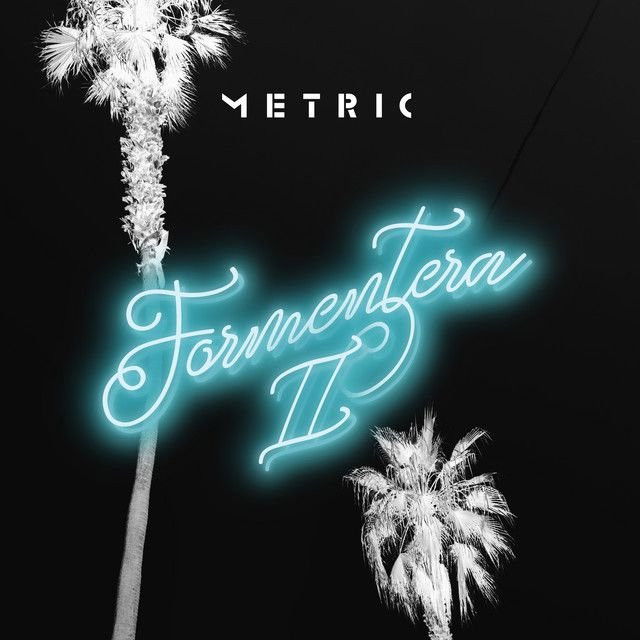
“Days of Oblivion” sits on Metric’s Formentera II (2023), a set steeped in indie rock and synth-pop with dream-pop shimmer. The band recorded the album in Toronto and Paris, and it was produced by Liam O’Neil, Jimmy Shaw, and Gus van Go. Those textures matter: gauzy synth pads evoke haze, while steady drums and guitar underline resolve.
As the arrangement blooms, Emily Haines’s voice moves from hushed to insistent, mirroring the song’s shift from fog to focus. The repeated phrases function like lifelines; the mix keeps the vocal clear, so the promise of presence cuts through the swirl.
What Actually Happens: A Simple Timeline
- They feel the past rushing back like an undertow and ask for help before a fall.
- They build the “memory mansion,” unlocking doors but misplacing control.
- They invoke cultural guides—Dylan, Lennon, Garcia—to triangulate a stance.
- The chorus revalues the numbed stretches: these were “the days.”
- They double down on mutual care, replacing wreckage with reassurance.
Alternate Readings Worth Considering
- Interpretation: Recovery lens. The talk of wrecking balls, ashes, and being stopped at the stairs hints at addiction or burnout. The refrain reframes sober, quiet days as sacred.
- Interpretation: Relationship endurance. The need-and-be-needed lines make the “oblivion” about emotional shutdown after conflict, with the pact preventing a permanent break.
Both readings fit because the song leaves key nouns open. What’s constant is the refusal to dramatize ruin and the choice to honor persistence.
Why It Lands Now
Formentera II arrives after years when many felt suspended in “between days.” The track’s message—that overlooked stretches still count—feels practical and kind. It’s a reminder that presence is a plan, not a consolation prize.
Takeaway
If the meaning of Days Of Oblivion Metric offers could be condensed, it’s this: Don’t mistake quiet for empty. The days you barely noticed may be the ones that built you.
Disclaimer: Interpretations are informed readings, not definitive statements of artist intent.









