Why Bolton’s Biggest Ballad Goes Beyond Love
The meaning of Said I Loved You... But I Lied Michael Bolton comes down to a simple but powerful idea: the singer believes ordinary love language is too small for what they feel. This is not a song about betrayal. It is a song about emotional overflow.
"Said I Loved You... But I Lied" - Michael Bolton
A fire that burns through wind and rain
Shine your light on this heart of mine
Loading lyrics...
Unable to load lyrics
We're unable to display the lyrics at this time. Please try again later.
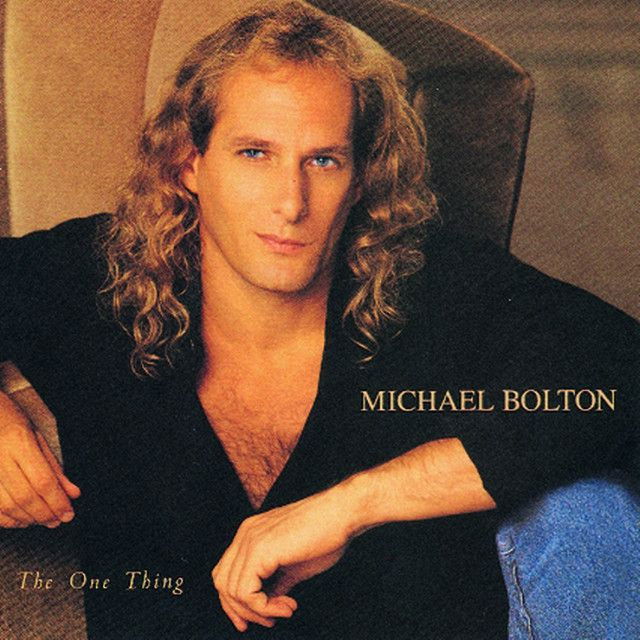
Michael Bolton released the track in 1993 on The One Thing, and it became one of his biggest adult contemporary hits. It was written by Bolton and Robert John “Mutt” Lange, a songwriting and production figure known for polished, large-scale records across rock and pop. That background helps explain why the song feels so huge, both emotionally and sonically.
A Title That Tricks the Listener
At first glance, the title sounds harsh. A listener may expect heartbreak, cheating, or regret. But the chorus quickly changes that expectation.
When the singer says Said I loved you
and then admits that they “lied,” the point is not deception. The point is that the phrase was too weak. They are trying to describe a bond that feels greater than romance as people usually name it.
Interpretation: This twist gives the song its staying power. It takes a familiar love-ballad phrase and turns it into a claim that language itself cannot keep up with emotion.

Watch the official Said I Loved You... But I Lied
music video
The Verses Paint Love as Light and Rescue
The song builds its meaning through bright, uplifting images. The loved person is compared to a candle and to dawn after darkness. In plain terms, they bring warmth, direction, and renewal.
Short phrases like love's the flame
and like the dawn
show that this relationship is not just comforting. It is transformative. The other person becomes a force that cuts through loneliness and confusion.
That matters because the song is not describing a crush. It presents love as rescue and rebirth. When the singer says life has “just begun,” they suggest that meeting this person changed their whole emotional world.
The Real Message of the Chorus
The chorus carries the song’s core argument. The line more than love
is the key. The singer is not rejecting love; they are trying to elevate it.
In everyday speech, “I love you” is supposed to be the highest statement. This song says even that sentence can fail. The feeling is so intense that it seems spiritual, permanent, and almost beyond human wording.
How can mere wordsmy heart explain
this taste of heaven so deep, so true
That brief moment says a lot. The singer openly admits that words are not enough, then reaches for religious and heavenly language to fill the gap. This is classic power-ballad writing: when normal speech breaks down, the song reaches for bigger symbols.
Why the Song Sounds So Enormous
The production reinforces the lyric’s scale. Bolton’s vocal style is famously full-bodied, and here they sing as if every line must clear an emotional mountain. The melody rises again and again, which mirrors the idea of feelings growing beyond simple definition.
The arrangement also matters. The song sits in glossy early-1990s adult pop, with strong drums, swelling keyboards, and a clean, dramatic build. Instead of sounding intimate or whispered, it sounds public and undeniable.
That is important to meaning. A quieter arrangement might have made the song feel private or uncertain. This one makes the emotion sound absolute. The music keeps confirming the lyric’s claim that this feeling is larger than ordinary love.
Artist Context Helps Explain the Emotion
Bolton built much of his career on big, heartfelt ballads. By the early 1990s, that style was already his signature, and this song fits that image perfectly. They often sang with a mix of grit and polish, aiming for sincerity over subtlety.
Working with Mutt Lange also adds context. Lange’s writing style often leaned toward massive hooks and clear emotional statements. That partnership helps explain why the song feels both highly crafted and emotionally direct.
For some listeners, that directness is the charm. For others, it can feel almost too intense. But even critics of Bolton’s style usually recognize the song’s main strength: it fully commits to its feeling.
Two Strong Ways to Read It
There is a straightforward reading and a slightly deeper one.
A Grand Romantic Promise
The simplest reading is that the singer has found their soulmate. Phrases like you are the one
and the promise of forever frame the relationship as complete, exclusive, and life-changing.
A Song About Language Failing
Interpretation: Another reading is that the song is really about the limits of expression. The romance matters, but the deeper subject is how human language struggles with extreme feeling. In that sense, the famous title line is almost philosophical: naming an emotion does not always capture its full force.
Why the Song Still Lands
Part of the reason the song endures is its central trick. It uses a surprising phrase to say something many people recognize: sometimes love feels too large for the usual script.
The imagery is simple, the structure is clear, and the chorus is unforgettable. Even if listeners do not share Bolton’s dramatic style, they can understand the emotional idea immediately.
In the end, the meaning of Said I Loved You... But I Lied Michael Bolton is not that the singer was false. It is that they were not bold enough at first. The song argues that love can become so intense it feels like awakening, salvation, and permanence all at once.
That is why the title still grabs attention. It promises a confession, but delivers devotion.
Disclaimer: This interpretation is based on the released lyrics, performance, and widely known career context. Like all song meaning work, some readings remain interpretive rather than confirmed fact.








