Why ‘Blue Gangsta’ Turns Hurt Into Armor
The meaning of Blue Gangsta Michael Jackson comes down to one big emotional switch: pain becomes performance. The song presents a narrator who feels lied to, humiliated, and emotionally used. Instead of staying vulnerable, they create a colder identity—the “blue gangsta”—to survive the damage.
"Blue Gangsta" - Michael Jackson
You ain't no friend of mine
Look what you put me through
Loading lyrics...
Unable to load lyrics
We're unable to display the lyrics at this time. Please try again later.
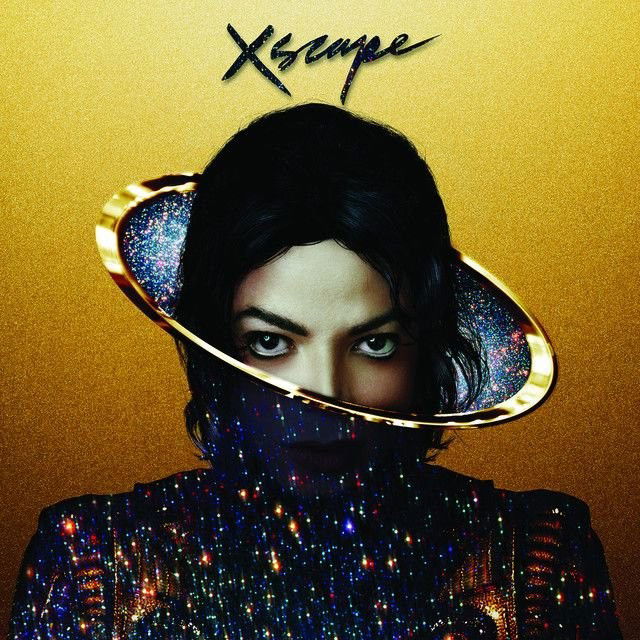
Michael Jackson co-wrote the track with Elliot Straite, known as Dr. Freeze, and it later appeared on the 2014 posthumous album Xscape, a release built from unreleased Jackson recordings reworked for a modern audience. Those basic credits and release details are documented by Sony Music and major discography databases like AllMusic.
The Real Story Hiding Inside the Hook
At first glance, the song sounds like a revenge anthem. The repeated challenge—What you gonna do?
—pushes the listener into a tense face-off. But underneath that threat is someone deeply wounded.
The line you ain't no friend of mine
matters because it reframes the relationship. This is not just a breakup song. It is about betrayal by someone who was trusted. The narrator is not only angry; they feel fooled.
Interpretation: the title mixes sadness and aggression on purpose. “Blue” points to grief or depression, while “gangsta” suggests hardness, intimidation, and emotional armor. Together, the phrase describes a person who has been hurt so badly that they now act dangerous to avoid being hurt again.

Watch the official Blue Gangsta
music video
From Heartbreak to Persona
One of the strongest ideas in the song is transformation. Early on, the narrator blames the other person for changing them. When they say look what you put me through
, they are not just listing pain. They are building a case.
That case leads to the title identity: I'm the blue gangsta
. This sounds less like a confession and more like a costume. The song suggests that after repeated lies and emotional abuse, the speaker no longer sees softness as safe.
A quick narrative timeline
- They feel deceived by someone close.
- They describe emotional damage and lost trust.
- They stop presenting as helpless.
- They adopt a harder persona to regain power.
That is why the song feels dramatic. It is not only about what happened; it is about who the narrator becomes after it happens.
Why the Chorus Feels So Theatrical
Jackson often used performance as part of storytelling, and this track follows that pattern. The chorus does not move the plot much, but it intensifies the emotional stance. Each repetition sounds like the narrator trying to convince both the other person and themselves that they are no longer fragile.
Now that I'm the blue gangstaYou ain't no friend of mine
That short section captures the whole emotional arc. First comes the new identity, then the broken bond. The chorus works because it turns private pain into a public warning.
Interpretation: the threatening tone may be read as a fantasy of control rather than a literal promise of harm. In pop music, especially in Jackson’s more cinematic songs, heightened language often dramatizes emotions that feel too large for ordinary speech.
The Images That Matter Most
The song uses simple but effective motifs. One is entrapment. Phrases about having nowhere to escape make the betrayal feel claustrophobic, as if the narrator is cornered by lies.
Another motif is emotional shutdown. When the song says they can no longer smile or fall in love, it shows the cost of betrayal. The real damage is not just anger. It is the loss of openness.
A third motif is reversal. The narrator wants the other person to face consequences. That does not mean the song becomes morally calm; it stays heated. But it does show a shift from victimhood to retaliation, or at least the fantasy of it.
How the Sound Carries the Meaning
Part of the meaning of Blue Gangsta Michael Jackson comes from its production style. The track blends pop with a dark, clipped groove. The beat feels mechanical and tense rather than warm or soulful, which supports the song’s emotional coldness.
Jackson’s vocal approach matters too. He moves between sharp accusation and wounded strain, giving the song two layers at once. They sound furious, but also bruised. That split is the point.
Because Xscape was built from unreleased material and updated production choices, the track also has a slightly hybrid feel: part classic Jackson drama, part modernized pop sheen. Epic Records’ release framing around Xscape emphasized that mix of archival vocals and contemporary production.
A Few Possible Readings
There is more than one way to hear this song.
- Reading one: it is a breakup song about deception and emotional revenge.
- Reading two: it is about public mistrust more broadly, where one betrayer stands in for a world that keeps using and judging the speaker.
- Reading three: it is a self-mythologizing performance, where pain is turned into a larger-than-life character.
All three readings fit because the lyrics stay broad. They give enough detail to feel personal, but not enough to lock the song into one exact story.
Why the Song Still Connects
What makes “Blue Gangsta” memorable is not subtle writing. It is emotional clarity. The song understands a common feeling: after betrayal, people often want to become untouchable.
That is the core of the meaning of Blue Gangsta Michael Jackson. It is a song about heartbreak wearing a hard face. The narrator is sad, angry, and proud all at once, and the title captures that contradiction better than a plain breakup song ever could.
Disclaimer: This interpretation is based on the released lyrics, known credits, and the song’s musical presentation. As with most art, listeners may reasonably hear different meanings in the track.








