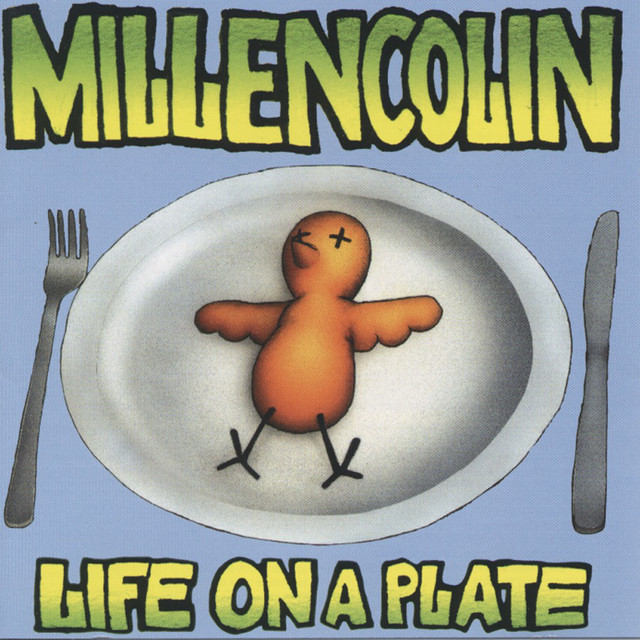
Bullion by Millencolin: A Punk Song About Resetting
Millencolin’s “Bullion” sounds light on the surface, but its emotional core is heavier than its catchy pace first suggests. The meaning of Bullion Millencolin comes down to a familiar struggle: feeling stuck inside their own head, hiding from the world, and then deciding that change has to begin from within.
"Bullion" - Millencolin
I tell you nothing with a thousand words
and I weaker get with every step
Loading lyrics...
Unable to load lyrics
We're unable to display the lyrics at this time. Please try again later.
This is not a grand political anthem or a love song in disguise. It is a small, human song about low energy, self-consciousness, and the awkward first spark of self-renewal.
A Fast Song About Feeling Slow
At the start, the narrator is 21 and clearly adrift. They describe feeling down and unable to express much, even with a lot of words. That opening creates a sharp contrast: they can talk, but they still cannot connect.
A few details make the mood vivid. The song mentions wasted time, junky routines, and distractions that fill space without improving life. When they mention feeling down
and later wonder Am I odd or am I not?
, the song frames a very specific kind of anxiety. This is not just sadness. It is the exhausting habit of constantly measuring the self against other people.
Interpretation: The song captures early-adult alienation. The narrator is old enough to feel pressure to “have it together,” but still young enough to feel lost about identity, purpose, and social expectations.

Watch the official Bullion
music video
The Real Conflict Is Internal
One of the strongest ideas in “Bullion” is that the singer is not mainly fighting another person. They are fighting their own stalled habits. They admit they are too wrapped up in me, myself and I
to connect well with someone else.
That line matters because it avoids self-pity. Instead of blaming the world, the narrator recognizes their own withdrawal. They shut people out, retreat into comfort, and avoid vulnerability. The mention of Nintendo is almost funny, but that humor hides something sadder: escapism feels easier than being known.
Why the Everyday Details Matter
The song works because its images are ordinary. Muffins, discs, fish, shoes, socks, video games—none of these are glamorous symbols. They are clutter from daily life.
That makes the song believable. Rather than describing abstract despair, it shows how drift appears in practice: poor routines, low motivation, private habits, and short-lived relief. Even the line about making muffins suggests a person who wants to care for others but cannot quite get themselves moving.
When the Chorus Flips the Story
The turning point arrives when the song stops cataloging inertia and starts declaring action. The chorus is built around a playful chain of changes: plans, clothes, thoughts, and habits. When they say I'm gonna change my life
, it sounds both sincere and slightly impulsive.
That mix is important. Millencolin avoid making transformation sound noble or polished. Instead, change sounds messy, funny, and immediate. They might change serious things, or they might just change Vans and socks. The point is momentum.
change my life
change my plans
even start to dance now
This brief list shows how the chorus works. It stacks big goals next to trivial ones, suggesting that recovery often begins with whatever movement a person can manage.
“No, It’s Not for You” Changes Everything
The most important twist comes near the end. After sounding like they might be changing for someone else, the song corrects itself: No its not for you
. Then the message becomes personal and direct—change is just for me
.
That final turn sharpens the meaning of Bullion Millencolin. The song is not about winning approval. It is about reclaiming agency.
Interpretation: The earlier references to another person may reflect imagined judgment, social pressure, or the desire to be understood. But the ending rejects performance. Real improvement cannot survive if it is only done to impress others.
How Millencolin’s Sound Carries the Message
Millencolin emerged from Sweden’s skate-punk and melodic punk scene in the 1990s, a style they became widely associated with through releases on Burning Heart Records and later Epitaph. Their songwriting often mixes speed with tuneful hooks, and “Bullion” fits that balance well.
Musically, the song’s brisk tempo and tight rhythm section keep the words from sinking into gloom. That matters. If the arrangement were slower, the lyrics might feel defeated. Instead, the guitars and bounce of the melody suggest forward motion before the narrator fully believes in it.
Nikola Sarcevic’s vocal style also helps. He tends to sound conversational even in fast songs, which makes the self-questioning feel natural rather than theatrical. The band’s punk energy gives the chorus lift, turning a private pep talk into something communal.
A Song About Self-Repair, Not Self-Reinvention
There is a temptation to hear “Bullion” as a total makeover anthem. But the lyrics are more modest than that. The narrator is not becoming a different person. They are trying to become a more functional version of themselves.
That is why the song still resonates. It understands that change often starts small:
- admitting life feels off
- noticing avoidance patterns
- deciding to stop hiding
- making change for internal reasons
In that sense, “Bullion” is less about becoming cool, successful, or accepted. It is about becoming present.
Why the Song Still Connects
The lasting appeal of “Bullion” comes from its honesty. Many songs about self-improvement sound inspirational from the start. This one does not. It begins in confusion, pettiness, and low motivation, which makes its final push feel earned.
For listeners, the meaning of Bullion Millencolin is simple but strong: they may feel isolated, weird, or stalled, yet they can still choose motion over numbness. The song never promises an easy cure. It only offers a first step.
That may be why it works so well.
Disclaimer: This interpretation is based on the lyrics, performance, and known artist context. Like many songs, “Bullion” can support more than one valid reading.








