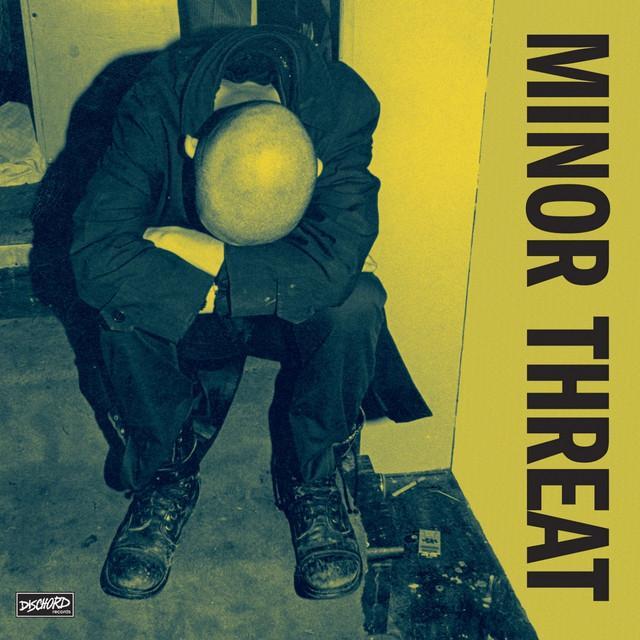
Why 'Minor Threat' Still Hits So Hard
The meaning of Minor Threat Minor Threat starts with a simple idea: young people are told to hurry up, fit in, and become acceptable adults, but the song refuses that demand. Instead of begging for approval, they turn dismissal into identity. What sounds like a threat is really a sharp, funny, and angry defense of youth.
"Minor Threat" - Minor Threat
'Cause I know we're all headed for that adult crash
The time is so little, the time belongs to us
Loading lyrics...
Unable to load lyrics
We're unable to display the lyrics at this time. Please try again later.
Minor Threat formed in Washington, D.C., in 1980 and quickly became one of the defining bands of American hardcore punk, helping shape both the sound and the DIY ethic around Dischord Records. That context matters. They were not singing from a distance; they were inside a scene built by kids making their own rules.
A Youth Anthem Hidden Inside a Taunt
At its core, the song is about being treated as not fully valid because of age. The speaker hears the adult world rushing everyone toward work, college, and respectability, then pushes back. When they ask why everyone is in such a rush, the song frames adulthood less as a goal than as a crash waiting to happen.
That is why the repeated phrase minor threat
matters so much. They use it like a label other people might give them, then reclaim it. In plain terms, the song says: if adults think young people are small, temporary, or unserious, then fine—but that underestimation will not stop them from existing on their own terms.

Watch the official Minor Threat
music video
The Lines That Carry the Message
Several lyrics connect that argument clearly. Early on, they admit they are not the first
and hope they are not the last. That broadens the song beyond one band. They are speaking for a cycle of generations who feel pushed aside and then pushed forward too quickly.
Another important idea is the phrase adult crash
. Rather than praising maturity as wisdom, the song imagines adulthood as burnout, compromise, or emotional deadening. Interpretation: this is not saying all adults are broken. It suggests the standard path can flatten people into roles they did not choose.
The second verse sharpens that point with minor at heart
. The song does not deny aging. It questions the belief that age automatically equals truth. They may become older, but they refuse to let go of the urgency, honesty, and nonconformity associated with being young.
Go to college, be a man
what's the fucking deal?
This brief moment captures the song’s central conflict. They compress a whole social script into two short commands, then reject it. The point is not that college or adulthood are bad in themselves. The point is that forced maturity, especially tied to gender expectations, feels hollow.
More Than Rebellion for Rebellion’s Sake
A lesser punk song might stop at saying no. This one goes further. It offers an ethic of survival in lines like make do with what you have
. That sounds practical, even communal. They are not fantasizing about power. They are talking about endurance, self-definition, and living without waiting for permission.
That makes the song less nihilistic than it first appears. Yes, it is confrontational. But it is also disciplined. They know time is limited, and they want to use it before social pressure turns life into routine. The song’s anger comes from caring deeply about authenticity.
How the Sound Delivers the Meaning
Minor Threat’s music is famous for speed, brevity, and force. Critics have long described the band as central to U.S. hardcore, with songs that hit fast and leave no wasted space, a style noted by AllMusic and other histories summarized here. That economy is part of the meaning.
The track does not sound reflective in a soft or nostalgic way. It sounds cornered, impatient, and alive. Jeff Nelson’s drumming pushes everything forward like a countdown. Ian MacKaye’s vocal delivery is not polished; it feels barked, as if the argument cannot wait.
Lyle Preslar later said his guitar style relied on full power chords, Les Paul guitars, and Marshall amps, aiming to make one guitar sound bigger and fuller, as noted in the band’s documented history at Wikipedia. That dense guitar attack helps the song feel larger than its short runtime. The sound mirrors the lyric: small in status, huge in presence.
Why It Endured Beyond Its Moment
The song lasts because its complaint is still familiar in the United States. Young people are still told to build resumes, pick identities, and become marketable as fast as possible. The pressure may look different now, but the emotional demand is similar.
Interpretation: the title can also be read as a joke about fear itself. Adults often act as if teenagers are dangerous, when what really threatens the system is independent thinking. In that reading, the band are only a “minor” threat because society refuses to take youth seriously—right until youth culture changes everything.
Minor Threat were active only from 1980 to 1983, yet they remain one of hardcore’s most influential bands, especially in D.C.’s scene and the straight-edge conversation, even though the group repeatedly resisted being turned into a rigid rulebook, according to their band history at Wikipedia. That tension fits this song too: they reject labels, even while weaponizing one.
The Lasting Meaning of Minor Threat
So what is the meaning of Minor Threat Minor Threat? It is a protest against being rushed into adulthood, a defense of youth as a valid state of mind, and a reminder that being underestimated can become its own source of power.
They do not ask to be welcomed into the adult world. They challenge the idea that adulthood, as commonly sold, deserves automatic respect.
Disclaimer: This interpretation is based on the lyrics, historical context, and the band’s documented background. Song meaning can stay open, and listeners may hear something different in it.







