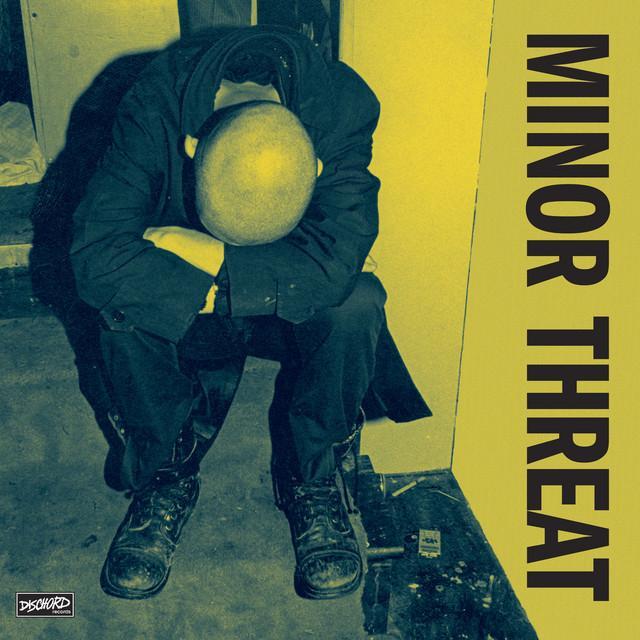
Why 'Seeing Red' by Minor Threat Still Hits
Minor Threat's "Seeing Red" is tiny, fast, and explosive, but its point is easy to grasp. The meaning of Seeing Red Minor Threat centers on what happens when someone is mocked, judged by appearance, and pushed into anger.
"Seeing Red" - Minor Threat
You taunt me from safe inside your crowd
My looks, they must threaten you
Loading lyrics...
Unable to load lyrics
We're unable to display the lyrics at this time. Please try again later.
Rather than telling a long story, they compress that feeling into a blunt confrontation. The song is not just about temper. It is about social cruelty, first impressions, and the way a crowd can make one person feel cornered.
A Hardcore Snapshot of Being Targeted
At its core, the song describes a person being laughed at and dismissed before they even speak. The opening idea is simple: others see them, react, and decide who they are. Phrases like laugh out loud
and safe inside your crowd
show that the insults are public, smug, and protected by group behavior.
That matters because the song's anger does not come from nowhere. It is a reaction to humiliation. The speaker is not raging in a vacuum; they are responding to ridicule and to people who feel bold only when backed by others.
Interpretation: this makes "Seeing Red" feel less like a celebration of violence and more like a snapshot of emotional overload. The song captures the moment when mockery turns into fury.
Watch the official Seeing Red
music video
The Real Conflict Is Judgment Without Contact
One of the sharpest ideas in the lyric is how quickly people decide who someone is. The speaker says others think they are a problem on sight, based on appearance alone. The phrase first impressions without a word
is key because it points to prejudice before conversation, context, or human contact.
That detail gives the song a wider meaning. It can apply to punk identity, youth culture, class assumptions, or any setting where style triggers instant reactions. In a scene built around anti-conformity, being visibly different could attract exactly the kind of hostile attention the song describes.
Minor Threat emerged from Washington, D.C.'s early hardcore scene, and the band became one of its defining acts through releases on Dischord Records, the label co-founded by Ian MacKaye and Jeff Nelson. That context helps explain why a song about social friction and scene tension felt so natural for them. Their history is widely documented by Dischord and the Rock & Roll Hall of Fame essay on D.C. hardcore.
Why the Chorus Feels So Immediate
The repeated hook, I'm seeing red
, gives the song its title and emotional center. In everyday English, "seeing red" means becoming intensely angry. Here, the repetition makes that anger feel involuntary, almost like a reflex.
Because the verses are so short, the chorus does heavy lifting. It does not explain or justify the emotion in detail. It just announces it, again and again, as if the speaker has moved past analysis and into pure sensation.
Red, I'm seeing redI'm seeing red
That two-line burst works because it turns the song into a physical experience. The listener does not just hear about anger; they feel its rhythm, speed, and pressure.
Sound and Delivery: Meaning Through Motion
A song like this depends on performance as much as words. Minor Threat were central to American hardcore punk, a style known for speed, brevity, shouted vocals, and stripped-down force. Those traits are all over "Seeing Red," and they sharpen the message.
The guitars hit hard without much decoration. The drums push everything forward at a near-sprinting pace. The vocal delivery sounds clipped and confrontational, which fits a lyric built on reaction rather than reflection.
That production style matters to the meaning of Seeing Red Minor Threat. A slower or more polished version might sound thoughtful or wounded. Minor Threat make it sound immediate. The band are not standing back from the event; they are throwing the listener into the middle of it.
A Small Song With a Bigger Social Theme
Even though the lyric is personal, it points toward a broader pattern: group judgment. The image of a crowd mocking one person suggests social policing. People decide what looks acceptable, then punish anyone outside that line.
The line my looks, they must threaten you
is especially revealing. The speaker suggests that the crowd's hostility says more about them than about the target. If appearance alone causes this much discomfort, then the mockers may be protecting their own insecurity.
Interpretation: this reading makes the song quietly defiant. The speaker is angry, but they also expose the weakness behind the crowd's behavior. They are saying, in effect, that ridicule often hides fear.
Another Reading: Punk Against Respectability
There is also a scene-specific way to hear the track. Minor Threat often wrote with directness, and their work regularly pushed back against fake posture, peer pressure, and social control. In that light, "Seeing Red" can sound like a defense of subcultural identity against mainstream judgment.
The phrase you've seen the worst
drips with sarcasm. The speaker seems to mock the idea that unusual looks make someone dangerous or worthless. That makes the song feel like a jab at respectability politics: the shallow belief that looking right matters more than being fair.
Why It Endures
"Seeing Red" lasts because its setup is timeless. Almost everyone knows the feeling of being misread in seconds. They know what it is like when a group turns someone into a joke, and when anger arrives before they can slow it down.
Minor Threat express that feeling with almost no waste. In under two minutes, they move from ridicule to rage to a larger point about how people treat what they do not understand.
That economy is part of the song's power. It says a lot with very little, which is exactly what great hardcore often does.
Final Take on the Meaning
The best way to understand the meaning of Seeing Red Minor Threat is to hear it as a burst of anger caused by public judgment and shallow first impressions. It is about being targeted, reacting fast, and seeing how cruelty often hides inside group behavior.
That said, song interpretation is never fully fixed. This reading draws on the lyric, the band's hardcore context, and the track's performance, but listeners may hear different shades of alienation, defiance, or scene politics in it.







