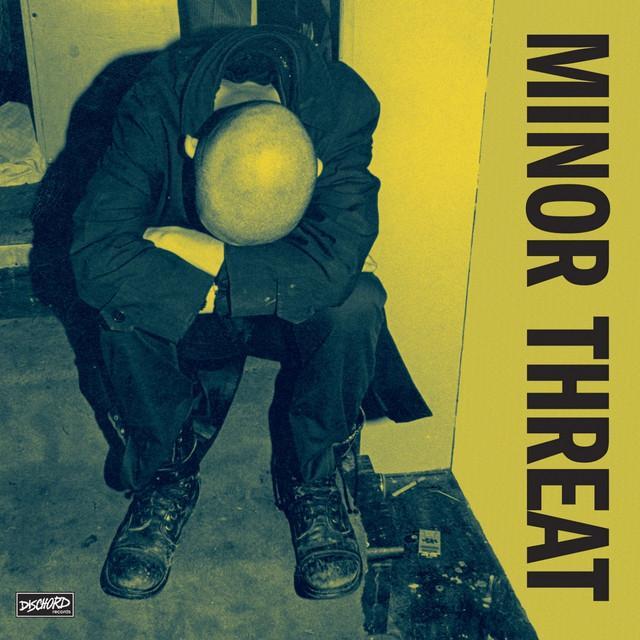
Straight Edge by Minor Threat
A 46-Second Song That Changed Punk
The meaning of Straight Edge Minor Threat starts with a simple fact: this is a tiny song with huge cultural reach. Released in 1981 on Minor Threat's self-titled debut 7-inch EP through Dischord, the track runs only 46 seconds, yet it helped name an entire punk subculture centered on abstinence from drugs and alcohol. That basic history is widely noted in reference sources on the song and the straight edge scene.
"Straight Edge" - Minor Threat
But I've got better things to do
Than sit around and fuck my head
Loading lyrics...
Unable to load lyrics
We're unable to display the lyrics at this time. Please try again later.
Minor Threat came out of Washington, D.C.'s early hardcore wave, with Ian MacKaye on vocals, Lyle Preslar on guitar, Brian Baker on bass, and Jeff Nelson on drums. Factually, MacKaye is credited as the songwriter, and the band is commonly listed among the producers. Those details matter because the song feels personal, local, and immediate rather than designed as a broad social campaign.

Watch the official Straight Edge
music video
What the Song Is Really Saying
At its core, the song is about refusal. The speaker says they are ordinary—I'm a person just like you
—but insists they have no interest in drug use or chemically altered escape. The lyric moves through a quick list of behaviors they reject, then turns that refusal into identity.
This is why the chorus matters so much. The repeated claim I've got the straight edge
is not just a catchy hook. It frames sobriety as a positive trait, almost like a sharpened line of self-definition. Instead of saying only what they avoid, the song says what they possess: clarity, discipline, and a sense of self.
Interpretation: The track does not sound like a plea for help or a moral sermon. It sounds like a young person planting a flag. In that way, the song turns abstinence into punk rebellion rather than conformity.
Not Anti-Fun, But Anti-Numbness
One key to the meaning of Straight Edge Minor Threat is the difference between rejecting substances and rejecting life. The speaker is not withdrawing from the world. They are arguing they can face it directly.
That is why lines around coping are so important. When the lyric says I know that I can cope
, it shifts the message away from fear. The point is not that temptation exists and they are nervously avoiding it. The point is that they do not need a chemical use a crutch
to get through pressure, boredom, or pain.
The song also paints intoxication as lifeless. The phrase living dead
suggests that heavy use empties people out and disconnects them from real experience. That image is harsh, but it explains the song's aggression. They are not just declining drugs; they are rejecting a culture of self-erasure.
How the Verses Build the Message
The structure is fast, but it is carefully built. The opening establishes equality: they are no better by birth or status. Then the song draws a contrast through choices.
A few important moves happen in order:
- The speaker states common ground.
- They list destructive habits they see around them.
- They reject those habits without apology.
- They turn that rejection into a named identity.
That sequence is why the song became memorable. It moves from observation to declaration in seconds. The lyric phrase better things to do
is central here. It implies purpose. Sobriety is not framed as empty denial; it frees time, attention, and energy for something more meaningful.
Why the Sound Hits So Hard
Musically, "Straight Edge" works because the arrangement leaves no room for ambiguity. Minor Threat play it at hardcore speed, with clipped guitar, pounding drums, and MacKaye's barked vocal right at the front. The performance feels like an outburst, but a controlled one.
That matters to the meaning. The song argues for discipline, and the band expresses that idea through precision and economy. There is no excess in the composition either. It says exactly what it wants to say, then stops.
Critics have often pointed to that force. Pitchfork later wrote that the song still carries strong immediacy, while AllMusic described it as an anthemic manifesto. Those are fair summaries because the production is raw enough to feel live, yet focused enough to make every second count.
The Bigger Cultural Shadow
Factually, the term "straight edge" was adopted from this song, and the phrase went on to define a major branch of hardcore punk. Over time, that subculture expanded in many directions. Some participants kept it personal and nonviolent. Others added rules about sex, diet, or politics. Some extreme offshoots became rigid or hostile.
That wider history is important, but it should not be confused with the song itself. MacKaye has long been associated with straight edge as a reluctant figurehead, not as someone trying to build a strict ideology. The original lyric is narrower and more personal than some later versions of the movement.
Interpretation: The song's real power may be that it leaves room for identification. It is specific about drugs, but broad about what self-respect can look like in a scene built on intensity.
Final Take on Its Meaning
So, what is the meaning of Straight Edge Minor Threat? It is a blunt statement that freedom can mean saying no. In a punk world often linked to chaos and intoxication, Minor Threat made self-control sound confrontational, proud, and even radical.
The song lasts less than a minute, but its message is durable: identity can be built through limits, not despite them. That idea helped make "Straight Edge" one of hardcore's most influential songs.
Disclaimer: This interpretation separates documented facts about the song's release and influence from critical reading of its lyrics and tone. Meanings can vary from listener to listener.








