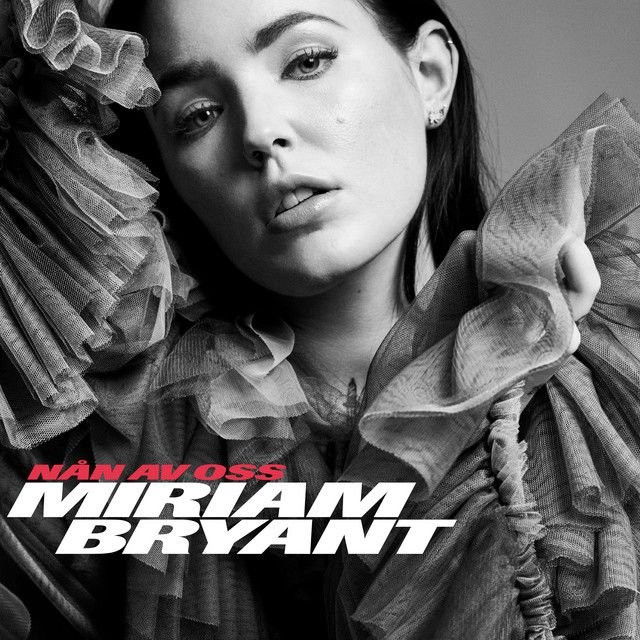
Why 'Nån av oss' Hurts So Much
The meaning of Nån av oss Miriam Bryant comes down to one painful idea: two people can still want each other, still remember the magic, and still be unable to make a real relationship exist. In this song, they are caught between passion and honesty. They keep circling the same question—whether there is truly an “us” left—or whether they are only acting like there is.
"Nån av oss" - Miriam Bryant
Den där tröjan du svettades i
Jag har den kvar men jag vet inte var
Loading lyrics...
Unable to load lyrics
We're unable to display the lyrics at this time. Please try again later.
Miriam Bryant is a major Swedish pop artist whose move into Swedish-language songs became a big part of her later career. According to publicly available career summaries, she broke through in English first, then released the Swedish-language album PS jag hatar dig in 2021, with Nån av oss
arriving earlier in 2020 and later becoming a certified hit in Sweden.[1] That context matters: the song sounds intimate, local, and emotionally direct in a way that fits her Swedish material especially well.
A Relationship That Feels Bigger Than It Is
At its core, the song is about two people who cannot speak plainly about what they are. The verses remember physical closeness and private history, but the chorus keeps pulling the listener back to the cost of that closeness. They may be sharing a bed, a memory, or a fantasy, yet the bond is unstable.
One key line says their words are both too small and too big. Paraphrased, that means language fails them in two directions at once. They cannot find words precise enough for the truth, but they also load their conversations with feelings too heavy to carry. That is why the relationship feels inflated every time they meet.
Interpretation: the song is not mainly about a breakup that already happened. It is about the stage where two people are still entangled, and that ongoing contact keeps reopening the wound.

Watch the official Nån av oss
music video
The Chorus Turns Love Into a Loss
The emotional center is the repeated idea that one of us
will lose. That phrase makes love sound like a contest, but not in a cold or cynical way. Instead, it suggests an uneven attachment. Someone will care more, hope more, or stay hurt longer.
The chorus also says that when they see each other, everything becomes enlarged. In plain terms, their meetings make every emotion louder: attraction, confusion, jealousy, and hope. Nothing stays in proportion.
Våra ord är för små och för stora
En av oss kommer alltid förlora
This is the song’s clearest thesis. Even before either person fully admits the truth, the ending is already built into the dynamic. One of them will come away diminished.
Memory, Chemistry, and Pretending
The opening verse is full of remembered details: an old sweater, a bed, heartbeats, and the reference to oxytocin. These details do two things at once. First, they make the relationship feel real and bodily, not abstract. Second, they hint that what felt like destiny may also have been chemistry, timing, and projection.
When the song mentions Oxytocin
, it points toward the body’s bonding systems. That gives the romance a slightly uneasy edge. Were they in love, or were they simply overwhelmed by closeness and desire? The lyric does not deny the feeling. It questions how reliable the feeling was.
Another striking phrase is we only pretend
—or, more precisely, the idea that they are pretending an “us” still exists. That confession is brutal because it arrives without dramatic blame. The problem is not evil or betrayal. The problem is mutual self-deception.
Pop Romance vs. Real Life
Midway through, the song reaches for a bigger cultural image: a Beatles title and Penny Lane
. Those references matter because they symbolize classic pop romance—timeless, bright, and almost untouchable. The narrator wants to step into that world, where love is iconic and disappointment never arrives.
But Bryant places that fantasy next to sexual need, uncertainty, and emotional mess. The contrast is the point. Pop culture offers them a beautiful script, yet their real relationship refuses to follow it.
Interpretation: the Beatles nod is not just a cute name-drop. It shows how people use songs, memories, and shared references to make a shaky relationship feel more meaningful than it really is.
How the Sound Supports the Meaning
Even without breaking down studio files, the writing suggests a strong pop structure: intimate verses, a blunt emotional chorus, and repetition that mimics obsessive thinking. That suits Bryant’s broader style, often rooted in pop and soul, as noted in biographical summaries of her work.[1]
The likely effect is contrast. Soft, close details in the verses draw the listener into private memory. Then the chorus widens the frame and makes the emotional stakes feel public and unavoidable. Repeating Nån av oss
over and over works like a thought loop. They cannot stop asking who will be the one left carrying the damage.
This is also why the song hits hard beyond Swedish-speaking audiences. The setup is universal: two people keep returning to something intense because intensity feels like truth, even when stability is missing.
Why This Song Landed So Strongly
Bryant’s Swedish-language era connected deeply with listeners, and Nån av oss
became one of the notable songs from that transition, peaking on the Swedish singles chart and earning multi-platinum certification there.[1] That reception makes sense. The song captures a modern relationship pattern with unusual sharpness:
- emotional honesty arrives late
- chemistry disguises incompatibility
- nostalgia keeps the bond alive
- contact makes healing harder
That combination gives the track its sting. It is not just sad. It is recognizable.
The Lasting Meaning of Nån av oss
The meaning of Nån av oss Miriam Bryant is that love can be sincere and still unsustainable. The song does not mock romance; it mourns the gap between what two people feel in flashes and what they can actually build.
In the end, the title becomes a warning. If the relationship survives only in longing, fantasy, and repeated returns, then someone will lose more than the other. The tragedy is that both of them seem to know it.
Disclaimer: This interpretation is based on the song’s lyrics, publicly available career context, and musical cues. As with any art, listeners may hear different meanings.
[1] https://en.wikipedia.org/wiki/Miriam_Bryant








