Helena by Misfits
The meaning of Helena Misfits comes into focus once listeners see its source: the 1993 film Boxing Helena. Rather than hide that influence, the band turns the movie’s most shocking image into a horror-punk story about obsession, control, and the twisted wish to be loved.
"Helena" - Misfits
Would you still love me anyway?
If you're bound and you're gagged, draped and displayed
Loading lyrics...
Unable to load lyrics
We're unable to display the lyrics at this time. Please try again later.
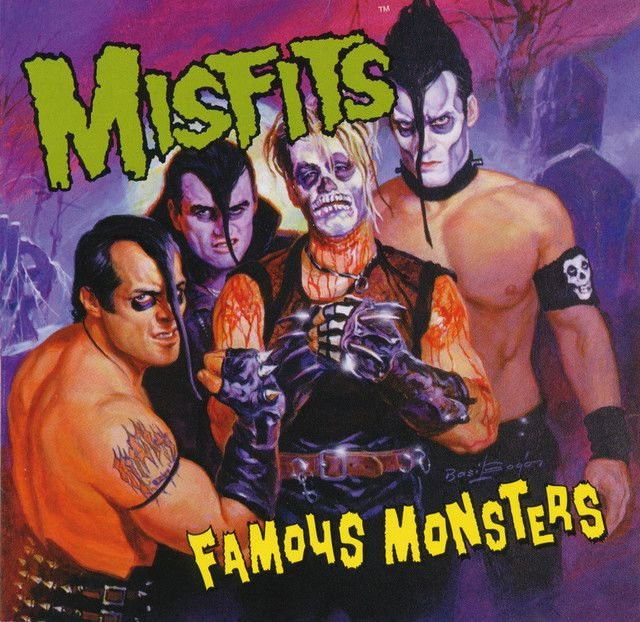
Misfits released the song on Famous Monsters in 1999, during the band’s post-1995 re-formation with Michale Graves on lead vocals and Jerry Only leading a new era of the group. Songfacts identifies the track as a direct lift from Boxing Helena’s premise, not a private confessional or a literal love song. That context matters because it frames the song as stylized horror, a lane the Misfits had long made their own.
A Love Song Turned Inside Out
At its core, the song asks a sick question: if a person is stripped of freedom and even body parts, would they still offer love? The hook circles that idea through the plea love me anyway
, which sounds needy on the surface but becomes terrifying in context.
Interpretation: the song is less about romance than about possession. The narrator does not want a real relationship. They want a version of love that cannot leave, resist, or change. That is why the lyrics sound like a warped parody of a breakup ballad.
The song’s shock value is not random. It takes the language of devotion and drags it into body horror. By doing that, Misfits expose the ugly extreme hidden inside controlling desire.
Watch the official Helena
music video
The Movie Behind the Horror
Boxing Helena, written and directed by Jennifer Lynch, centers on an obsessed surgeon who imagines or enacts mutilation to keep the woman he desires dependent on him. The film starred Sherilyn Fenn and Julian Sands and was released in 1993 after premiering at Sundance. It was also critically battered, earning a 17% score on Rotten Tomatoes and a 25 on Metacritic, though its disturbing premise gave it a lasting cult reputation.
That premise maps almost exactly onto the song. The opening images about cutting off limbs are not symbolic inventions by fans; they directly echo the movie’s central horror. When the song asks Would you still love me
, it repeats the film’s core nightmare: affection demanded through total control.
Why the Film Reference Matters
Knowing the film changes the reading. Without that context, the lyrics can seem like pure splatter for splatter’s sake. With it, the song becomes a compressed retelling of a cinematic obsession, filtered through punk energy and B-movie camp.
Jennifer Lynch has described the film’s inspiration as tied to broken beauty and obsession, especially the image of the Venus de Milo. That background fits the song’s fixation on beauty, damage, and ownership.
How the Lyrics Build an Unstable Mind
The verses move in two directions at once. On one side, they are graphic and physical, focused on knives, blood, and precision. On the other, they are emotional and pathetic, driven by trembling hands and the repeated need for affection.
That split is what gives the song its power. The narrator sounds both threatening and weak. A phrase like my hands are trembling
does not soften the violence; it makes it more disturbing, because it shows panic inside the act.
Another key phrase is She will be my wife
. It is not a declaration of love. It is a statement of ownership. The future tense suggests a plan already decided, with no room for the other person’s will.
Interpretation: the song presents obsession as a fantasy of perfect stillness. The woman becomes an object to display, preserve, and control. That is why the language often sounds less like intimacy and more like arranging a scene.
There's a spot on the floor
where your limbs used to be
Those lines are among the song’s bleakest images. They reduce a human being to an absence, then turn that absence into part of the room. It shows how fully the narrator has replaced love with possession.
Sound, Style, and the Misfits Formula
Part of the meaning of Helena Misfits lives in its sound. This is not slow, realistic misery. It is catchy, theatrical horror-punk. The guitars hit hard, the drums push forward, and the vocal melody gives the chorus a strange sing-along quality.
That contrast is important. Misfits often pair gruesome images with hooks that feel almost playful. In “Helena,” that method creates emotional whiplash: the song is easy to chant along with, even as the story becomes more grotesque.
On Famous Monsters, the band’s production was cleaner and more polished than the earliest Danzig-era recordings. That sharper sound helps “Helena” land as a late-1990s horror anthem rather than underground sludge. It also lets the chorus cut through, making the song’s desperate question feel bigger and more pop-shaped.
Camp, Gore, and Alternate Readings
There are at least two useful ways to hear the song.
- Literal reading: it is a direct retelling of Boxing Helena from the captor’s point of view.
- Interpretive reading: it exaggerates controlling love into body horror to show how obsession destroys the person it claims to adore.
Both readings can coexist. Misfits were never a subtle realism band. Their art often works through exaggeration, old horror imagery, and camp. So when the song reaches Dance Helena... Dance
, it feels less like realism and more like a nightmare stage show.
The Lasting Takeaway
What keeps “Helena” memorable is not just the gore. It is the collision of yearning and cruelty. The narrator wants love, but only in a form they can dominate. That makes the song a dark joke, a horror tribute, and a warning about obsession all at once.
For listeners asking about the meaning of Helena Misfits, the clearest answer is this: it turns a film’s body-horror premise into a catchy, disturbing study of love corrupted by control.
Disclaimer: This interpretation is based on the lyrics, the band’s horror-punk style, and the song’s widely noted connection to Boxing Helena*. Art can support more than one reading.*







