Why 'Déjame Entrar' by Mœnia Feels So Intense
For listeners searching for the meaning of Déjame Entrar Mœnia, the core idea is simple: this is a song about desire turning into obsession. It does not describe a calm romance. Instead, it shows a speaker so consumed by another person that sleep, thought, and even the body feel taken over.
"Déjame Entrar" - Mœnia
Es una obsesión
Y es que siempre que duermo
Loading lyrics...
Unable to load lyrics
We're unable to display the lyrics at this time. Please try again later.
Mœnia built its name in Mexican electronic pop by blending romantic lyrics with sleek, club-ready production. According to Mœnia, the Mexico City band became a key act in Spanish-language synthpop, and Déjame entrar
was one of the songs that helped make them a club favorite in the 1990s. That context matters, because the track turns private longing into something rhythmic, dramatic, and public.
At the Center: Wanting Someone Too Much
On the surface, the song is a plea for closeness. The title itself, Déjame entrar
, means “let me in.” But the lyrics go further than a request for emotional access. They present attraction as something overwhelming, almost physical.
Early on, the speaker says this feeling is una obsesión
. That word frames everything that follows. This is not a crush they can put aside. It invades sleep, returns in dreams, and follows them into waking life.
The song also links desire to the body. When the other person is absent, the speaker says mi cuerpo se pone mal
. In plain terms, they feel sick without that connection. The message is not just “I miss you.” It is “your absence throws me off balance.”

Watch the official Déjame Entrar
music video
Dreams, Dizziness, and Loss of Control
One of the strongest parts of the song is the way it shows obsession through repeated sensations. The speaker dreams of the other person’s voice and wakes with a kind of spinning feeling, described as el mismo mareo
. That recurring dizziness suggests emotional instability.
This matters because the song never presents love as steady or healthy. The feeling can sometimes be managed, and other times it cannot. That back-and-forth gives the lyrics tension. They are aware that the desire is too powerful, but awareness does not stop it.
A brief lyric moment
The chorus makes that loss of control especially clear:
Ya no dejo de pensar
Mi cuerpo se pone mal
Si no estás
Even in this short section, the idea is direct: nonstop thoughts lead to physical distress when the loved person is gone. The hook is memorable because it sounds like confession, demand, and surrender all at once.
What the Chorus Really Means
The chorus asks to go in deeply, to reach the other person fully, not halfway. In paraphrase, the speaker is not asking for a casual encounter. They want complete access: emotional, sensual, and maybe even spiritual.
Interpretation: That is why the title feels so charged. “Let me in” can mean several things at once:
- let me into their life
- let me into their body
- let me into their inner world
- let me cross the distance that is hurting me
Because the song never narrows the request to just one level, it stays powerful. It feels intimate and urgent without becoming overly specific.
A Love Song with Religious Language
In the second half, the lyrics raise the emotional stakes by comparing desire to devotion. The loved person becomes something like a private faith, and each night becomes a ritual. This is one of the song's smartest moves.
Interpretation: By using the language of religion, the song suggests that passion has become a system of belief. The speaker does not simply want this person; they organize their emotional life around them. That idea fits the earlier word una obsesión
and deepens it. What began as longing now looks like worship.
This is also where the song hints at danger. When attraction becomes a “religion,” the speaker gives up distance and perspective. They are no longer choosing the feeling; they are serving it.
How Mœnia's Sound Carries the Meaning
The meaning of Déjame Entrar Mœnia is not only in the lyrics. It is also in the production. Mœnia came out of a scene shaped by synth-pop and electronic acts like Depeche Mode, New Order, and Erasure, influences noted in the band’s history and AllMusic. That background helps explain why the song feels both cold and hot at once.
The synthesizers create a glossy, nocturnal mood. The beat keeps moving like a pulse that cannot relax. Instead of soft acoustic comfort, the arrangement gives the emotion a mechanical edge. That makes the obsession feel inescapable, as if the speaker is trapped in a loop.
Vocally, the delivery usually matters as much as the words in Mœnia songs. Here, the voice sounds controlled on the surface, but the repeated lines suggest pressure building underneath. That contrast mirrors the lyric: they try to contain the feeling, but they cannot.
Why the Song Connected So Strongly
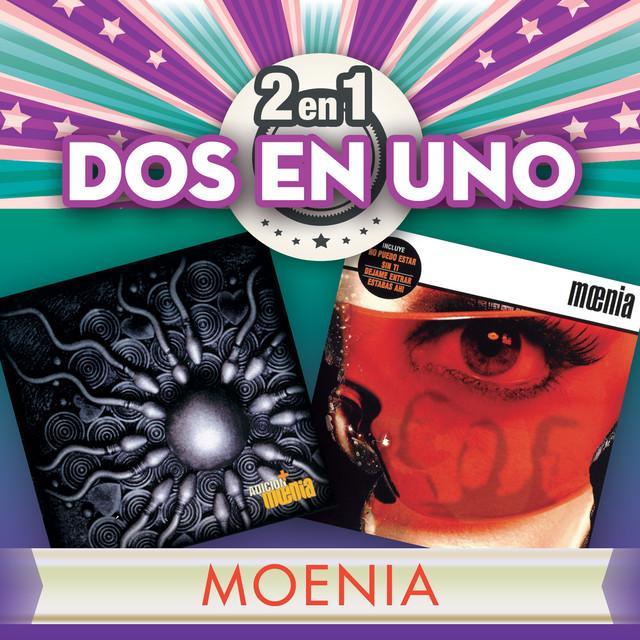
In Mœnia's mid-1990s breakthrough, Déjame entrar
stood beside other major songs from the self-titled era and became one of the group’s club anthems. That public reception fits the song well. It takes a very private emotional problem and gives it a dance-floor form.
That blend helps explain its long life. Listeners can hear it as a love song, a lust song, or a portrait of emotional dependence. Different audiences may lean toward different readings, but all of them connect to the same center: overwhelming need.
Final Read on the Song
The best way to understand the meaning of Déjame Entrar Mœnia is to hear it as a song about crossing a line between desire and fixation. It speaks in the language of romance, but it also shows the cost of wanting someone so much that thought, sleep, and the body stop feeling fully under control.
That is why the song still lands. Mœnia turns obsession into atmosphere: sensual, dizzy, and a little dangerous.
Disclaimer: This interpretation is based on the lyrics, the song’s sound, and documented context around Mœnia’s career. As with any song, listeners may hear different meanings.








