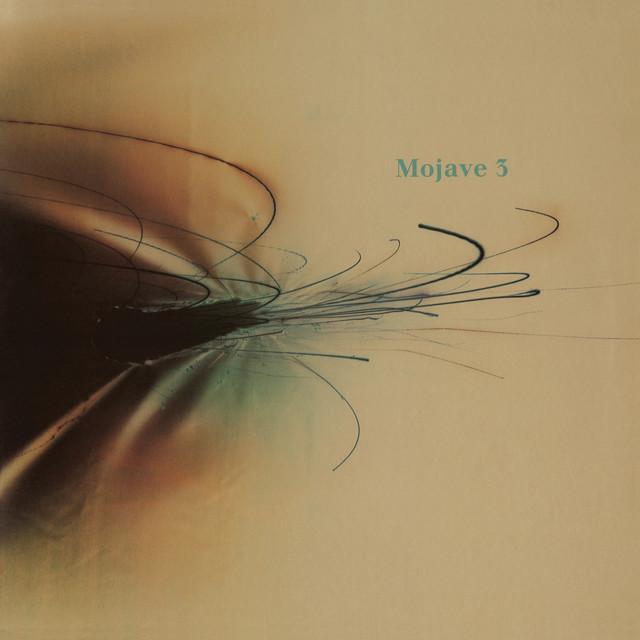
Tomorrow's Taken by Mojave 3
A quiet song about losing the future
The meaning of Tomorrow's Taken Mojave 3 starts with a simple but painful idea: heartbreak does not just hurt in the present. It can also steal a person's sense of what comes next. In this song, they present a narrator who feels emotionally emptied after someone important is gone.
"Tomorrow's Taken" - Mojave 3
When all my days are dark and life seems cruel
I'll take another shot and think about you
Loading lyrics...
Unable to load lyrics
We're unable to display the lyrics at this time. Please try again later.
The opening thought sets that mood right away. They cannot picture the future, and everyday life feels dim and hostile. When the singer turns to a bottle of wine
, it does not sound wild or glamorous. It sounds small, lonely, and resigned, like a temporary way to survive a night that feels too long.

Watch the official Tomorrow's Taken
music video
Where the title points
The title "Tomorrow's Taken" matters because it pushes the song beyond ordinary breakup sadness. This is not only about missing a person. It is about feeling that hope itself has been removed. When the narrator suggests that the other person has taken all I got
, they are not counting material things. They are describing emotional loss, confidence, and the future they once imagined together.
Interpretation: the song frames heartbreak as a theft of possibility. The missing person is tied to joy, meaning, and momentum, so their absence leaves life stalled.
The speaker's emotional state
Neil Halstead wrote the song, and the lyric voice is deeply personal and inward. The narrator sounds exhausted rather than angry. Even when they confess pain, they do not attack the other person. Instead, they circle around grief, memory, and dependence.
That is why small phrases hit hard. When they sing life seems cruel
, the line is broad, but the feeling is specific. Their sorrow has spread outward until the whole world feels cold. Then, when they admit I miss you
, the song strips away any distance or poetic fog. At its center, this is plain longing.
A breakup song with self-medication in the frame
One of the most revealing details is the repeated return to wine. The bottle is not really the point. It stands for a weak substitute for human closeness. Instead of comfort, partnership, or a clear path ahead, the narrator has something they can physically hold, but it cannot answer them.
That contrast makes the song sadder. The lost relationship had warmth and life. The bottle offers numbness. In other words, the singer knows this coping method is limited, but they use it anyway because there is nothing else within reach.
"There's a full moon in the sky
It makes me glad
That there's something pure
In something that I had"
This is the song's key emotional turn. For a moment, the narrator finds a clean memory inside the wreckage. They cannot restore the relationship, but they can still believe some part of it was real and good.
Moonlight, purity, and memory
The moon image is important because it softens the song's despair. The narrator looks up and finds a sign that not everything has been ruined. If the breakup has left them doubting their own past, the moon restores a little faith.
The phrase something pure
suggests that the relationship, or at least a part of it, had genuine beauty. That idea keeps the song from becoming bitter. They do not rewrite the past as fake. They protect one honest memory, and that memory helps them feel alive.
Interpretation: the moon may symbolize distance as well as purity. It is visible, beautiful, and out of reach, much like the person they miss.
How the music carries the hurt
Context helps explain why the song feels so weightless and wounded at once. Mojave 3 formed after members Neil Halstead, Rachel Goswell, and Ian McCutcheon moved on from Slowdive's final phase and built a quieter sound on the debut album Ask Me Tomorrow. That record was released by 4AD in 1995 in the UK and 1996 in the US.
The arrangement of "Tomorrow's Taken" matches the lyrics beautifully. Mojave 3's early music blended dream pop with country and sadcore touches. On this track, the soft pace, hushed vocal delivery, and spacious instrumentation make the sadness feel suspended in air rather than sharply dramatized.
Research on the album notes slide guitar, slow piano, brushed drums, and cello as key parts of its sound. Those textures matter. Brushed drums do not push the song forward very hard, which mirrors the narrator's inability to move on. The cello on track three, listed in the album credits, adds a low ache beneath the melody. The result is intimate and fragile, not explosive.
Artist context sharpens the meaning
The song also makes more sense in light of Halstead's writing shift at the time. During the period around Slowdive's Pygmalion, he began writing acoustic songs influenced by Leonard Cohen, Nick Drake, Townes Van Zandt, and Gram Parsons, according to the album's background notes. Those influences help explain why "Tomorrow's Taken" feels plainspoken and haunted.
Instead of dense abstraction, the writing here is direct. There are no complicated plot twists. They build the song from a few recurring feelings: darkness, drink, memory, and need. That simplicity is a strength, because heartbreak often reduces life to a few repeated thoughts.
Why the chorus lands so hard
The refrain works because it keeps narrowing the pain. First the singer says this may be all they have. Then they suggest the other person has taken everything. The emotional logic grows tighter each time it returns.
There is also a striking line about being sorry to hold your hand
. Taken literally, it sounds strange. Interpretation: it may express guilt about clinging to a memory, or regret over how intimacy became difficult or impossible. Either way, it gives the chorus a bruised tenderness. They are not just abandoned; they are ashamed of how much they still need contact.
Final takeaway
In the end, the meaning of Tomorrow's Taken Mojave 3 is about grief that reaches into tomorrow, not just today. They portray a person using drink, memory, and fragments of beauty to endure a loss that has hollowed out the future.
What makes the song endure is its balance. It is sad without becoming dramatic, and tender without pretending pain is noble. Interpretation: listeners may hear either a breakup, a broader depression, or both. That openness is part of the song's power.
This interpretation is based on the lyrics, recorded performance, and available artist context. As with most songs, listeners may hear it differently.







