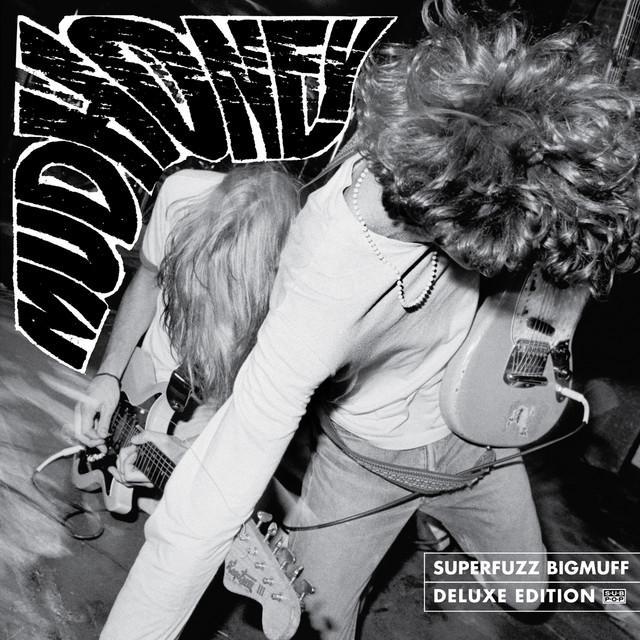
Chain That Door by Mudhoney
A breakup song with its teeth out
The meaning of Chain That Door Mudhoney comes through fast: this is a short, sharp song about feeling humiliated and wanting out. Rather than sounding heartbroken in a soft way, Mudhoney make the split feel angry, messy, and stubborn. The speaker is not calmly moving on. They are slamming the emotional exit.
"Chain That Door" - Mudhoney
Chain that door, I'm outta your world
We know
Loading lyrics...
Unable to load lyrics
We're unable to display the lyrics at this time. Please try again later.
That fits Mudhoney’s larger style. The Seattle band helped shape the dirty, sarcastic edge of late-1980s alternative rock, even while resisting neat labels. In an A.V. Club interview, Mark Arm described the group as rooted in “grimy” garage-punk and often skeptical of hype. That attitude matters here: the song feels less like polished confession and more like a raw reaction caught in the moment.

Watch the official Chain That Door
music video
The central conflict: shame turns into refusal
The clearest emotional clue is the line about being made to feel like a big-time loser
. Before that phrase, the song circles confusion and recognition, as if the speaker is trying to make sense of what just happened. Then the hurt becomes direct. Someone has made them feel small, mocked, or disposable.
From there, the repeated command chain that door
sounds like a demand for finality. In plain terms, they want the other person shut out—or they want themselves gone from that person’s world. The lyric I’m outta your world
turns the breakup into exile. It is not just “we are over.” It is “I am leaving your whole space, your power, your influence.”
Interpretation: The song may be about a romantic split, but it also works as a broader rejection of a toxic social dynamic. The speaker could be walking away from anyone who keeps them around only to embarrass or diminish them.
Why the chorus matters so much
The repeated line we know what I mean
is one of the song’s most interesting details. On the surface, it sounds like the speaker assumes shared knowledge. They do not want to explain every detail. They believe the situation is obvious.
That repetition does two things:
- It creates a gang-like feeling, as if the speaker wants backup.
- It hints at insecurity, because repeating certainty can be a way to cover doubt.
In other words, the chorus is both confident and shaky. They keep saying everyone understands, but the need to repeat it suggests they are still trying to convince themselves.
We know
We know
We know what I mean
This is the song’s emotional engine. It turns private hurt into public insistence.
A small story told in blunt fragments
Even with very few words, the song sketches a simple timeline. First, the speaker notices a woman and asks where they have seen her before. That opening has a detached, almost tossed-off quality. Then the mood flips. The singer declares distance, says it is all over
, and returns to the insult they feel they have suffered.
Later, the line about walking the way I am
suggests visible damage. They are carrying the experience in their body or attitude. When they ask why the other person still hangs around, the song reaches its final contradiction: the relationship is supposedly done, but the emotional presence remains.
That is why the song feels alive rather than settled. A clean breakup would not need this much repetition. The speaker is trying to close the door while still reacting to the person on the other side.
How Mudhoney’s sound carries the meaning
Mudhoney’s early music drew from garage rock, punk, and heavy fuzz. The band’s history, documented by Sub Pop, shows how central that scuzzy guitar attack was to their identity. In a song like this, that matters as much as the words.
The likely effect of the performance is tension without elegance. Short phrases, ragged delivery, and a hard-driving groove make the message feel immediate. A smoother arrangement might make the lyric sound sadder. Mudhoney’s roughness makes it sound defensive and proud.
That contrast is important. The words reveal injury, but the music refuses self-pity. The band turn embarrassment into noise. Instead of asking for sympathy, they throw the feeling back as attitude.
Two strong ways to read the song
Interpretation 1: A breakup anthem. This is the most direct reading. Someone made the speaker feel worthless, so they announce the end and demand separation.
Interpretation 2: A song about social humiliation. Because the lyrics are spare, the target could be larger than one lover. It could describe being treated like a joke by a scene, a crowd, or a circle of people. That reading fits Mudhoney’s long-running skepticism toward status and image.
Both readings work because the song is built from emotional essentials: shame, anger, distance, and the need to regain control.
Why the song still lands
The meaning of Chain That Door Mudhoney is not hidden behind dense poetry. Its power comes from how plainly it captures a common feeling: being made to feel lesser, then trying to shut that feeling out for good. Mudhoney keep it raw, repetitive, and unresolved, which makes it believable.
They do not present healing. They present the moment before healing, when a person is still furious enough to bark the same line again and again. That is why the song hits hard. It understands that ending a relationship is not always graceful. Sometimes it sounds like a lock sliding into place.
Disclaimer: This interpretation is based on the lyrics, Mudhoney’s known style, and available band context. Song meanings can remain open, and listeners may hear something different.







