
Why ‘Venom’ Feels Like a Fight to Survive
The meaning of Thank You for the Venom My Chemical Romance comes down to one big feeling: resistance. It is a song about being cornered by pain, judgment, and other people’s ideas of salvation, then answering back with a snarl instead of surrender.
"Thank You for the Venom" - My Chemical Romance
And you never had a chance
Love it, or leave it, you can't understand
Loading lyrics...
Unable to load lyrics
We're unable to display the lyrics at this time. Please try again later.
Released on Three Cheers for Sweet Revenge in 2004, the track sits in the band’s breakthrough era, when My Chemical Romance fused punk speed, metal force, and theatrical emotion into something raw and urgent. Songfacts notes that the song appeared on that album and later charted at No. 71. Fans have debated its exact meaning for years, but the strongest readings all point toward the same center: they are fighting to stay themselves under pressure.
The Song’s Core: Defiance, Not Gratitude
Despite the title, this is not a sincere thank-you. The “venom” feels sarcastic. The speaker seems to take in everything toxic around them and throw it back, almost saying: if this is what the world offers, they already know how to survive it.
That is why the chorus hits so hard. When they say give me all your poison
and give me all your pills
, the tone sounds less like a request and more like a challenge. They are not asking for comfort. They are exposing how damaged, desperate, or empty those “solutions” can feel.
Interpretation: The song can be heard as a protest against being managed rather than understood. Whether the pressure comes from doctors, religion, bullies, or the music scene, the speaker rejects the idea that someone else can define their cure.
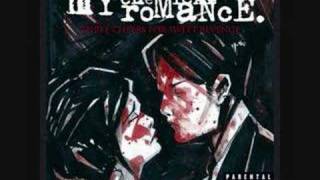
Watch the official Thank You for the Venom
music video
Who They Are Talking To
One strength of the lyrics is that the target keeps shifting. Sometimes it sounds personal, almost like a direct address to someone trying to judge or reshape them. At other times it sounds broader, aimed at institutions and systems.
The line you'll never make me leave
gives the speaker a stubborn center. They refuse erasure. Then I wear this on my sleeve
turns that resistance outward. Instead of hiding pain, they display it openly, almost as armor.
There is also a strong anti-performance streak. The lyric I wouldn't front the scene
pushes back against fame, posturing, or being treated like a symbol. They do not want to become a neat leader or spokesperson if the cause feels false.
Faith, Fear, and Failed Rescue
One of the song’s sharpest sections deals with religion. The lyrics suggest a speaker who has heard plenty of preaching but does not believe those words will save them. Songfacts summarizes the song as partly about people preaching at your door and pushing belief onto someone who wants to be left alone.
That reading fits the verse built around give me a reason to believe
. The phrase sounds less devotional than desperate. It asks for proof, not slogans.
The mention of a gun and a sacred book raises the stakes even further. The image blends faith and violence into one uneasy picture. Rather than offering peace, religion here seems wrapped up in conflict, fear, and distrust.
Interpretation: This does not have to mean the band is attacking belief itself. It may be criticizing shallow religious comfort, especially when someone is in crisis and hears easy answers instead of real help.
Poison, Pills, and the Medical Reading
A lot of listeners hear the song through the lens of depression and treatment. On Quora, several fan responses connect the song’s imagery to medication, failed attempts to “fix” someone, and the exhaustion of carrying inner pain. That is not a definitive author statement, but it is a common and persuasive reading.
That reading gains support from the line about being just the way that the doctor made me
. It sounds bitter and trapped. The speaker may feel shaped by diagnosis, treatment, or other people’s ideas of what a damaged person should become.
The chorus then becomes darker. “Poison” and “pills” can suggest medicine, self-destruction, or both at once. The point is not clinical detail. The point is alienation: help can start to feel toxic when it misses the real wound.
Why the Music Sounds Like a Counterattack
The production is a huge part of the song’s meaning. This is not a reflective ballad. It charges forward on tight drums, fast rhythm guitar, and a lead riff so urgent it feels almost hunted.
Ray Toro once told Rock AAA that the riff is one of the My Chemical Romance parts he is proudest of, saying he found it by moving his fingers around and building from four notes. That matters because the riff becomes the song’s emotional engine. It loops like obsession and attacks like a warning siren.
Gerard Way’s vocal delivery also sells the meaning. They do not sing these lines like private diary entries. They spit, push, and stretch them until the chorus feels half anthem, half breakdown. The band’s stop-start dynamics keep the song tense, as if it could either explode or collapse at any second.
The Bigger Meaning in the Album’s World
Within Three Cheers for Sweet Revenge, this song fits the album’s larger mood of revenge, damage, survival, and theatrical violence. The record often turns emotional conflict into life-or-death imagery. “Thank You for the Venom” may not tell a neat story, but it absolutely shares that world.
That is why the song still connects with listeners. It gives them a language for moments when outside help feels hollow and inner pain becomes rage. It says survival is ugly, loud, and often misunderstood.
Final Take: A Song About Refusing Erasure
The best way to understand the meaning of Thank You for the Venom My Chemical Romance is to hear it as a refusal to disappear. The speaker takes judgment, pressure, and poison from every side and turns that experience into defiance.
Interpretation: Whether someone hears it as a song about depression, religion, toxic care, or personal rebellion, the emotional truth stays the same. They are done being fixed by people who do not really see them.
Disclaimer: This interpretation is based on the lyrics, band context, and public fan discussion. Songs can support more than one valid meaning, and My Chemical Romance’s work often invites multiple readings.








