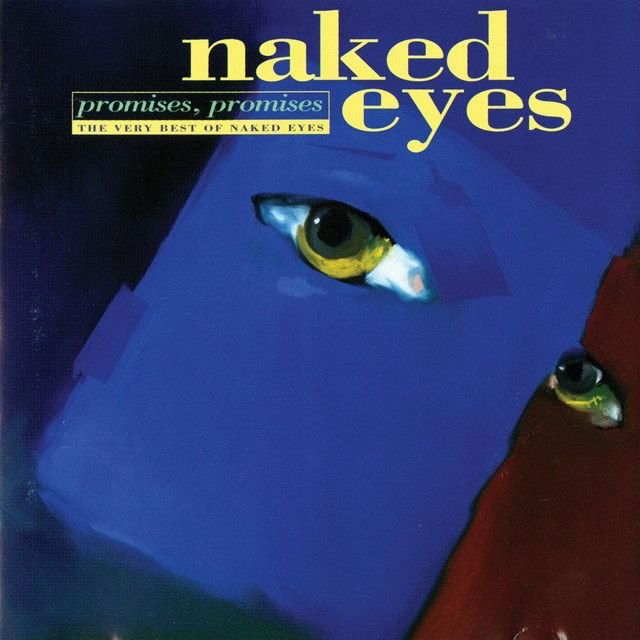
Why “Promises, Promises” Still Hurts
The meaning of Promises, Promises Naked Eyes comes down to one simple, painful truth: trust can survive one disappointment, but repeated dishonesty changes everything. Naked Eyes turned that feeling into a sleek 1980s pop song that still lands because it captures a familiar emotional loop. Someone says the right thing, they believe it, and then they get hurt again.
"Promises, Promises" - Naked Eyes
In the beginning
Never a doubt
Loading lyrics...
Unable to load lyrics
We're unable to display the lyrics at this time. Please try again later.
Released in 1983 as the second single from Burning Bridges, the song became a major U.S. hit, reaching No. 11 on the Billboard Hot 100, according to chart histories summarized by [Wikipedia](https://en.wikipedia.org/wiki/Promises,Promises(Naked_Eyes_song). That success makes sense. Even under its bright synth-pop surface, the song speaks to a very common kind of heartbreak.
The Real Wound Beneath the Hook
At first, the narrator remembers certainty. They describe a beginning with no suspicion, no hesitation, and real affection. Short phrases like Never had a doubt
and Trusted you true
show a relationship built on confidence, not caution.
That setup matters because the song is not about a casual letdown. It is about trust given fully. The earlier happiness makes the later betrayal sting more.
Interpretation: the lyric is less interested in one broken vow than in a pattern. The title phrase keeps returning because the pain comes from repetition. This person did not just fail once. They kept saying what the narrator needed to hear.
Watch the official Promises, Promises
music video
From Sweet Memories to Self-Blame
One of the smartest things in the song is how it balances nostalgia and disappointment. The line about being arm in arm
and laughing like children paints a real shared past. This was not an empty romance. There were moments that felt innocent and genuine.
That memory gives the song emotional depth. The narrator is not only grieving what happened; they are grieving what they thought was happening.
Then the chorus lands with brutal clarity: you knew you'd never keep
. That phrase shifts the song from sadness to accusation. It suggests intention. The other person did not simply fall short. They offered comfort they had no plan to honor.
Why the Chorus Hits So Hard
The chorus works because it does two things at once. First, it calls out the liar. Second, it exposes the narrator’s own confusion. When they ask, Why do I believe?
, the song opens up into something bigger than one relationship.
That question is the emotional core of the track. Many breakup songs focus only on the other person’s flaws. This one also captures the lonely aftermath, when someone wonders why they ignored the warning signs.
A brief section of the lyric sums up that cycle:
You made me promises, promises
You knew you'd never keep
Promises, promises
Why do I believe?
Even here, the power is in the contrast. The speaker now understands the truth, but that understanding arrives too late to protect them.
The Story Moves in a Clear Emotional Timeline
The song’s structure is simple, and that simplicity helps the meaning come through.
- In the opening, the narrator looks back on trust and early closeness.
- In the middle, they admit this is not the first disappointment; it is a repeated pattern.
- By the end, the focus shifts inward, from blame to self-questioning.
That second-stage detail is important. The idea of a second round shows that the narrator has already been hurt once and still chose hope again. This is why the song feels more mature than a basic breakup complaint. It understands that people often stay attached to promises long after reality has changed.
How the Production Softens and Sharpens the Pain
Part of the appeal of Promises, Promises is how polished it sounds. Naked Eyes were a British new wave duo, and this track sits firmly in synth-pop. Sources collected at [Wikipedia](https://en.wikipedia.org/wiki/Promises,Promises(Naked_Eyes_song) note that its production involved programmed rhythms and layered synthesizers, including Fairlight and other early digital tools, with production by Tony Mansfield and the band.
That matters to the song’s meaning. The music is clean, bright, and controlled. The emotional life inside the lyric is not. This creates tension.
Interpretation: the glossy arrangement almost acts like a mask. It mirrors the false assurances in the lyrics. Everything sounds neat on the surface, while the words reveal instability underneath.
This contrast is a big reason the song lasts. A darker arrangement might have made it feel obvious. Instead, the upbeat pulse makes the disappointment feel even more real, because betrayal often arrives wrapped in familiar, attractive language.
A Song About Romance — and About Human Weakness
The most direct reading is that the song is about a romantic partner who kept making commitments they would not fulfill. The repeated references to love and heartbreak support that reading.
But there is a wider angle too. A 2017 review at Sheepie Niagara described the song as fitting any moment when someone lets them down. That broader reading works because the language is universal. It can apply to a lover, a friend, or anyone who uses reassurance as a substitute for action.
That flexibility helps explain why listeners keep returning to it. They hear not only a breakup, but also the deeper problem of wanting to believe people who have not earned that trust.
Why It Still Connects Today
The meaning of Promises, Promises Naked Eyes remains fresh because it names a hard feeling without overcomplicating it. They loved. They trusted. They were misled. And worst of all, part of them saw the pattern and believed anyway.
That is what gives the song its staying power. It is catchy enough to live on radio and playlists, but emotionally honest enough to outlast its era.
In the end, Naked Eyes did not just write a song about lies. They wrote a song about the ache of believing in words when actions keep saying something else.
Disclaimer: This interpretation is based on the released lyrics, recording, and publicly available background. Like most pop songs, it can support more than one reasonable reading.








